Why India's obesity crisis needs a medical solution
By the ZIVOLABS Medical Team · Updated April 2026 · 7 min read
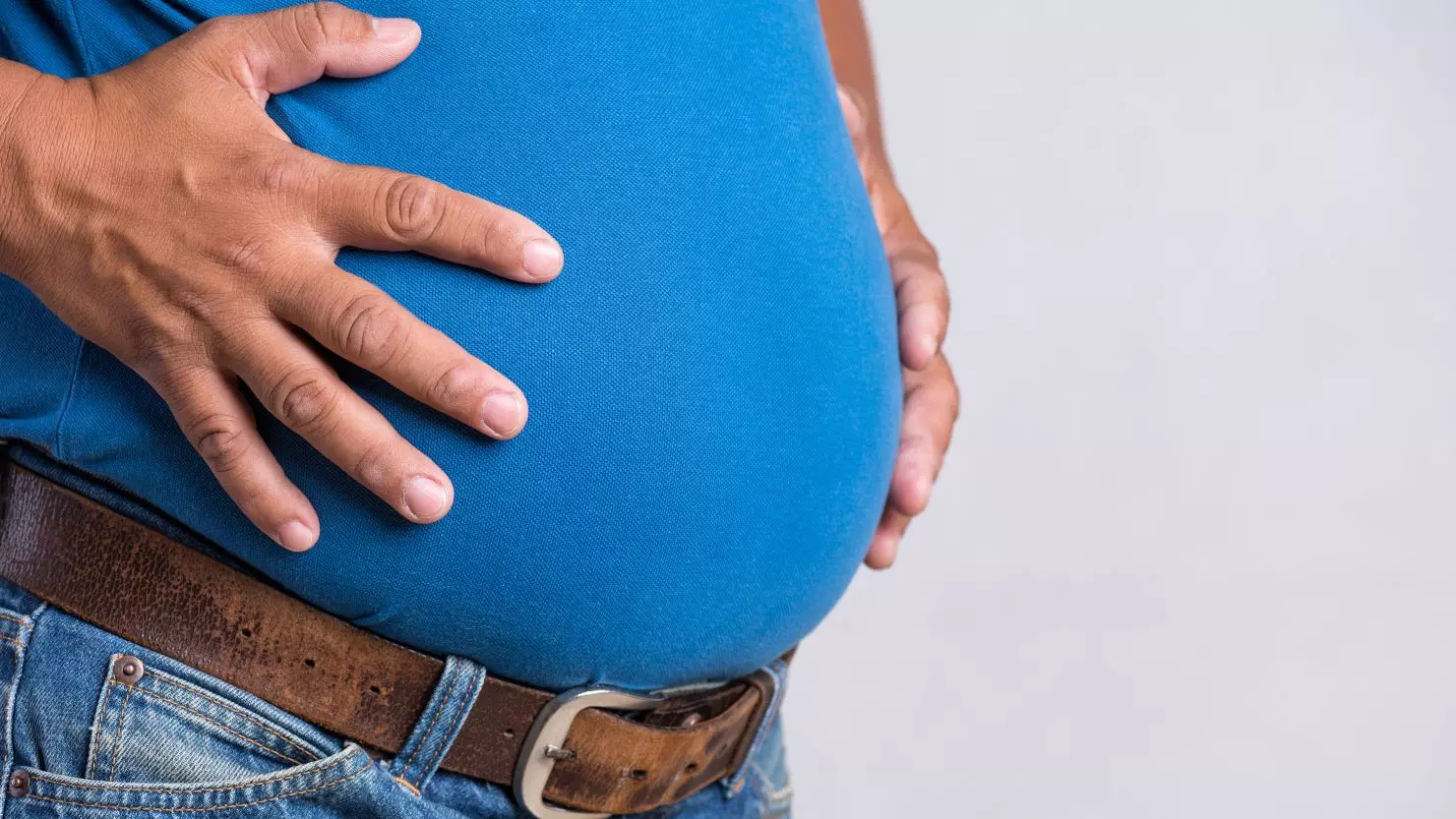
India is in the middle of an obesity crisis. The numbers are large enough to feel abstract — so this article grounds them in the biological, social, and economic reality of what is actually happening, and why the medical community's shift toward treating obesity as a disease requiring medical intervention is not just appropriate — it is overdue.
The numbers
The National Family Health Survey (NFHS-5) data and subsequent surveys paint a consistent picture. Overweight and obesity rates in India have roughly doubled in urban populations over the past two decades. Among urban adults:
Approximately 35–40% of urban Indian women are overweight or obese by Indian BMI standards (BMI ≥ 23)
Urban Indian men show similar trends, with rates highest in metro cities and among desk-based professionals
India now has over 100 million adults with Type 2 diabetes — the second-largest diabetic population in the world
An estimated 77 million adults are in the pre-diabetic range — the majority of whom will develop Type 2 diabetes within 10 years without intervention
Non-alcoholic fatty liver disease (NAFLD) affects an estimated 25–38% of Indian adults — the majority linked to excess weight and insulin resistance
These conditions do not exist in isolation. Excess weight drives insulin resistance, which drives Type 2 diabetes, which drives cardiovascular disease and kidney disease. It is a cascade — and the cascade is accelerating.
Why the standard advice is failing
The public health response to India's obesity crisis has been predominantly educational and behavioural: awareness campaigns about diet and exercise, school nutrition programs, sugar tax proposals. None of these are wrong. But they are not working at the scale required.
Here is why:
Knowledge does not change biology. Most overweight Indians know that they should eat less and move more. They have received this advice repeatedly — from doctors, family members, health campaigns. The problem is not information deficit. It is that the biological mechanisms driving weight gain and resisting weight loss — insulin resistance, blunted satiety hormones, genetic predisposition to abdominal fat storage — are not addressable through information alone.
The food environment is not neutral. India's food environment has shifted dramatically over two decades. Ultra-processed foods, high-glycaemic packaged snacks, sweetened beverages, and delivery-app convenience have fundamentally changed what Indian families eat — particularly in urban and semi-urban areas. Telling individuals to choose differently within a food environment designed to drive overconsumption is a partial answer at best.
Individual interventions cannot address population-level biology. When 35–40% of a population is overweight, the problem is not individual failure. It is a mismatch between human biology — evolved for scarcity — and a modern environment of abundance, sedentary work, and chronic stress. Population-level biological mismatches require population-level medical responses.
Why medicine is the necessary part of the response
The shift in the global medical community's understanding of obesity over the past decade has been significant. Obesity is now recognised by the WHO, the Lancet Commission on Obesity, and major endocrinology bodies as a chronic disease — not a lifestyle choice or a failure of willpower. It has a biological mechanism: the regulation of energy balance through hormones, neural circuits, and metabolic pathways that are disrupted in obese individuals in measurable, reproducible ways.
This recognition has consequences for treatment. If obesity is a chronic disease with a biological mechanism, then addressing that mechanism pharmacologically is appropriate medicine — not a shortcut or a moral failing.
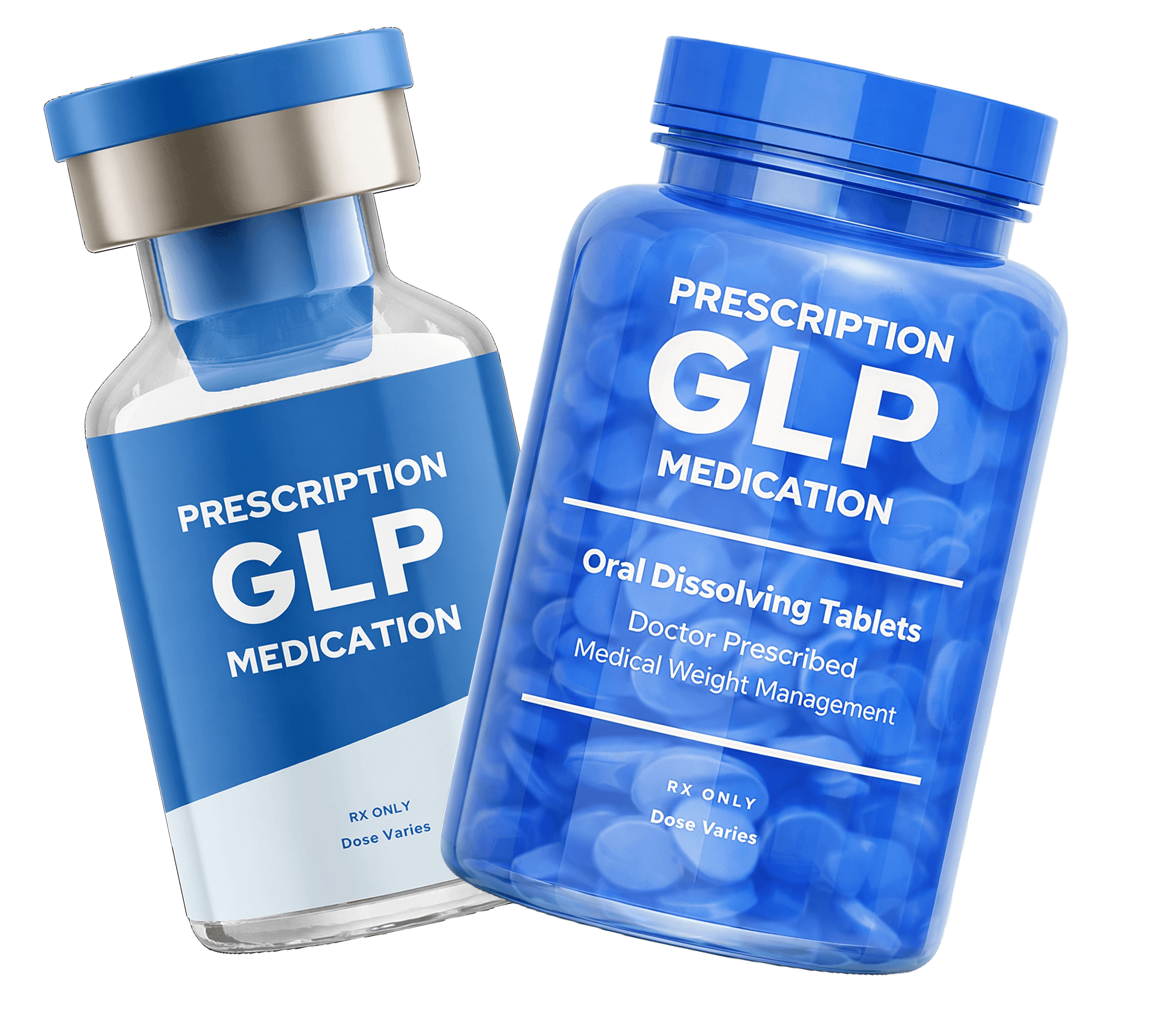
GLP-1 medication is the most significant advance in obesity treatment in three decades. It works not by suppressing appetite through stimulants or by restricting food availability but by restoring the satiety signal that is measurably deficient in many obese individuals. The results — 10–15% sustained weight loss, improved metabolic markers, reduced cardiovascular risk — are clinically meaningful in ways that behavioural intervention alone cannot reliably produce for the majority of patients.
The specific Indian dimensions
India's obesity crisis has characteristics that make the medical response particularly important.
South Asian metabolic risk at lower BMI. Indians develop metabolic complications — diabetes, cardiovascular disease, NAFLD — at lower BMI levels than Western populations. The population at meaningful metabolic risk in India is larger than BMI statistics suggest.
The PCOD burden. India has among the highest rates of PCOD globally — affecting an estimated 15–20% of Indian women of reproductive age. PCOD and obesity are bidirectionally linked through insulin resistance. Treating one without addressing the other produces incomplete results. GLP-1 medication addresses both simultaneously.
The diabetes pipeline. India's 77 million pre-diabetic adults represent an enormous future disease burden. Meaningful weight loss in pre-diabetic individuals — achievable with GLP-1 medication — can prevent or delay progression to Type 2 diabetes. The health economics of prevention are dramatically better than the economics of managing diabetic complications.
The cost of chronic disease management. India's public health system is under chronic strain from the burden of non-communicable disease — diabetes management, cardiovascular interventions, dialysis for diabetic kidney disease. Investment in upstream obesity treatment — including pharmaceutical intervention for eligible patients — reduces downstream chronic disease burden.
What is still needed
Affordable medication is necessary but not sufficient. India's obesity crisis requires a systems response:
Physician education. Many Indian doctors still approach weight primarily through lifestyle advice, underutilising the medical tools now available. Continuing medical education on obesity pharmacotherapy is needed at scale.
Expanded insurance coverage. Most Indian health insurance policies exclude obesity treatment. Changing this would dramatically expand access to medical weight management.
Regulatory clarity. The telemedicine framework that enables platforms like ZIVOLABS exists and is functioning. Continued regulatory support for compliant telemedicine prescribing is essential for access in non-metro India.
Public health dietary change. Medical treatment of individual patients does not address the food environment. School nutrition policies, front-of-pack labelling, and urban planning that supports physical activity are necessary complements — not replacements — for medical intervention.
The individual and the system
Obesity is simultaneously a biological condition in individual bodies and a product of systems — food environments, economic pressures, healthcare access gaps — that exceed individual control.
This is not a reason to wait for systems to change before seeking individual treatment. The patient with PCOD and insulin resistance who is gaining weight today does not benefit from waiting for a national nutrition policy. The diabetic patient with HbA1c above 8% whose doctor has not mentioned GLP-1 medication does not benefit from waiting for physician education to catch up.
Individual medical treatment and systemic change are not competing responses. They are complementary. ZIVOLABS operates at the individual level — accessible, affordable, medically rigorous — while the larger public health conversation continues.
[Start your health assessment →]
This article is for informational purposes only and does not constitute medical advice. Epidemiological data cited are approximate and based on publicly available survey data. Individual results may vary.
Join India's weight loss revolution
See a specialist online. Get prescribed. Receive at your door.
Not a diet. Not a gym plan.
Medical science. Finally in India.
Available in both Weekly Injection & Daily Tablets
Lose 15-17% of body weight — clinically proven*
Unlimited 24/7 support included
No hidden fees! Everything you need is included
Start for just Rs. 4999 + free delivery
Takes 5 minutes. No commitment required.