What is GLP-1 and how does it work?
By the ZIVOLABS Medical Team · Updated April 2026 · 8 min read
GLP-1 is one of the most talked-about terms in medicine right now — and one of the least understood. Most people have heard of Ozempic, or seen headlines about a "weight loss injection." Far fewer understand what GLP-1 actually is, why it works, and why doctors consider it a genuine breakthrough rather than another diet fad.
This article explains the science in plain language — no jargon, no oversimplification.
GLP-1 is a hormone your body already makes
GLP-1 stands for Glucagon-Like Peptide-1. It is not a synthetic invention. It is a hormone that your gut produces naturally, every time you eat.
When food enters your small intestine, specialised cells in the gut wall release GLP-1 into your bloodstream. This hormone then does several things simultaneously:
It signals to your pancreas to release insulin — the hormone that moves glucose from your blood into your cells
It suppresses glucagon — a hormone that would otherwise tell your liver to release more glucose into the blood
It slows gastric emptying — meaning food moves more slowly from your stomach into your intestine, so you feel full for longer
It signals to your brain — specifically to the hypothalamus, the region that controls appetite — that you have eaten enough
In a person without metabolic disease, this system works quietly in the background after every meal. You eat, GLP-1 rises, you feel satisfied, you stop eating. The glucose from your meal is managed efficiently. Blood sugar stays stable.
The problem is that this system breaks down in people with Type 2 diabetes and obesity. GLP-1 secretion after meals is blunted. The satiety signal is weaker. The pancreas gets less of the cue it needs to release insulin at the right time. Blood sugar climbs. Appetite does not fully switch off.
What GLP-1 medication does differently
GLP-1 receptor agonists — the class of drugs that includes semaglutide — work by binding to the same receptors that your natural GLP-1 binds to, but with two key differences.
They are far more potent. Natural GLP-1 is broken down by an enzyme called DPP-4 within 2–3 minutes of being released. It is designed for a short, sharp signal after each meal. Semaglutide is engineered to resist this breakdown. It stays active in your body for approximately 7 days — which is why it is taken as a once-weekly injection.
They maintain a sustained effect. Because natural GLP-1 disappears within minutes, its appetite-suppressing signal is brief. Semaglutide maintains that signal continuously. Your brain receives a persistent message that food intake is adequate. The urgency of hunger — that driven, restless feeling that makes dieting so hard — is significantly reduced.
This is not suppressing hunger through stimulants or willpower. It is restoring a biological signal that, in people with metabolic dysfunction, has been underperforming.
Why it produces weight loss
The weight loss effect of GLP-1 medication was actually discovered accidentally. Semaglutide was initially developed and approved for Type 2 diabetes management. Clinicians noticed that patients were also losing substantial amounts of weight — not a few kilograms, but 10–15% of total body weight in clinical trials.
The mechanism is straightforward once you understand the hormone. When your brain receives a sustained satiety signal, several things happen:
Food intake decreases naturally. Patients on semaglutide consistently report that they feel full faster and stay full longer. Meals become smaller without feeling like deprivation. Cravings — particularly for high-fat and high-sugar foods — are measurably reduced. Studies using brain imaging have shown that GLP-1 receptor agonists reduce activity in brain regions associated with food reward.
Caloric intake falls without aggressive restriction. Unlike conventional dieting, where you are fighting a biological drive to eat more, semaglutide changes the biological drive itself. The result is a sustained caloric deficit that does not require the same level of daily willpower that makes diets so hard to maintain.
The body loses fat, not just weight. Analysis of body composition in semaglutide trials shows that the majority of weight lost is fat mass, with relatively preserved lean muscle mass — particularly when patients maintain some level of physical activity.
Why it works for diabetes
In Type 2 diabetes, the pancreas struggles to produce enough insulin at the right time in response to a meal. Blood glucose rises higher than it should and stays elevated for longer. Over time this damages blood vessels, nerves, kidneys, and eyes.
GLP-1 medication addresses this directly:
Glucose-dependent insulin stimulation. Semaglutide stimulates insulin release from the pancreas — but only when blood glucose is elevated. This is an important safety feature. Unlike some older diabetes medications, GLP-1 agonists do not stimulate insulin release when blood sugar is already normal, which means they do not cause dangerous hypoglycaemia (low blood sugar) on their own.
Reduced glucagon. By suppressing glucagon, semaglutide prevents the liver from releasing glucose into the blood between meals — a significant driver of elevated fasting blood sugar in Type 2 diabetes.
Improved HbA1c. In clinical trials, semaglutide consistently reduces HbA1c (a measure of average blood glucose over 3 months) by 1–2 percentage points — a clinically meaningful reduction that reduces long-term complication risk.
Why it works for people without diabetes
This is a question many people ask — if GLP-1 is about insulin and blood sugar, does it do anything for someone who is not diabetic?
Yes, significantly. Because the appetite and satiety effects of GLP-1 are independent of the diabetes mechanism. The hypothalamus responds to GLP-1 regardless of whether you have diabetes. Gastric emptying slows regardless. The food reward response in the brain is modulated regardless.
Additionally, many people who are overweight but not yet diabetic have some degree of insulin resistance — their cells require more insulin than normal to process glucose. GLP-1 medication improves this insulin sensitivity, which has benefits beyond blood sugar — it reduces the risk of developing Type 2 diabetes, improves energy levels, and in women with PCOD, reduces the androgen excess that insulin resistance drives.
The different GLP-1 medications available
Not all GLP-1 medications are the same drug. The class includes several molecules, delivered in different ways:
Medication | Type | How taken | Approved for |
|---|---|---|---|
Semaglutide (Ozempic / Semasize / Semanat) | GLP-1 agonist | Once-weekly injection | Diabetes + weight management |
Semaglutide (Rybelsus) | GLP-1 agonist | Daily oral tablet | Diabetes |
Liraglutide (Victoza / Saxenda) | GLP-1 agonist | Daily injection | Diabetes + weight management |
Tirzepatide (Mounjaro) | GLP-1 + GIP dual agonist | Once-weekly injection | Diabetes + weight management |
Dulaglutide (Trulicity) | GLP-1 agonist | Once-weekly injection | Diabetes |
In India in 2026, the most accessible and clinically validated option for weight management is semaglutide — specifically the DCGI-approved generic injections from Alkem (Semasize) and Natco (Semanat). These are available through platforms like ZIVOLABS with a valid prescription.
Tirzepatide, which targets both GLP-1 and GIP receptors and shows even greater weight loss in trials, is not yet widely available in India as of 2026.
Is GLP-1 medication safe?
GLP-1 medications have been used clinically since 2005 and have an extensive safety record across millions of patients globally. Semaglutide specifically has been studied in large cardiovascular outcome trials, which showed not only that it is safe but that it reduces the risk of major cardiovascular events in high-risk patients.
The common side effects are gastrointestinal — nausea, mild vomiting, constipation — and are most prominent in the early weeks of treatment as the dose is escalated slowly. They typically resolve as the body adjusts.
Serious side effects are rare. The most discussed theoretical risk — pancreatitis — has not been shown to be meaningfully increased in large clinical trials. The contraindications are specific: personal or family history of medullary thyroid cancer, or a history of multiple endocrine neoplasia syndrome type 2. People with these histories should not take GLP-1 medication.
What GLP-1 medication is not
It is worth being direct about what this medication does not do, to set accurate expectations.
It is not a permanent fix on its own. Most patients regain some weight if they stop the medication without having made sustainable changes to their eating patterns. The medication changes the biology of hunger — but building habits during treatment improves long-term outcomes.
It is not instant. The starting dose is deliberately low and takes 12–16 weeks to reach the therapeutic maintenance level. Significant weight loss typically becomes apparent from week 8–12 onwards.
It is not a substitute for medical supervision. Semaglutide is a Schedule H drug in India for good reason. It requires a doctor who knows your full health picture — your other medications, your existing conditions, your bloodwork — to prescribe it safely and effectively.
Frequently asked questions
Is GLP-1 the same as insulin? No. Insulin is a hormone that directly moves glucose from the blood into cells. GLP-1 is a hormone that stimulates the body's own insulin release — and only when blood glucose is elevated. They are different molecules with different mechanisms.
Can I take GLP-1 medication if I am not diabetic? Yes — semaglutide is approved for weight management in people with a BMI of 27.5 or above, regardless of diabetes status. In India, a doctor will assess your full profile before prescribing.
How long before I feel the effects? The appetite-reducing effects are often noticed within the first 2–4 weeks, even at the starting dose. Significant weight loss typically becomes visible from week 8–12. The full metabolic benefits — improved blood sugar, lipid profile, blood pressure — develop over 3–6 months.
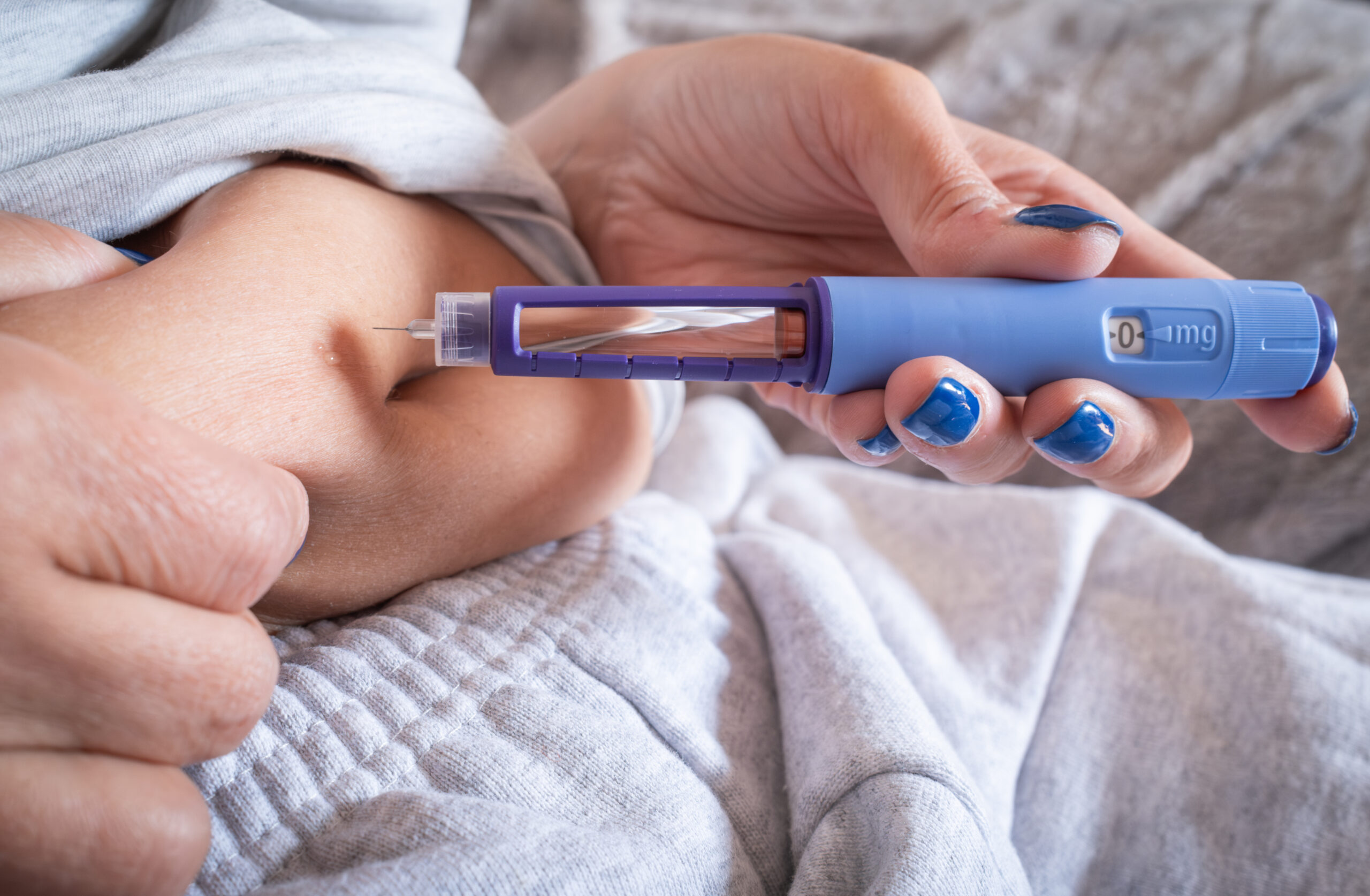
Is the injection painful? The pre-filled pen uses a very fine, short needle. Most patients describe it as a mild pinch at most. Many say it is considerably less uncomfortable than they expected.
What happens to the weight if I stop? Most patients regain some weight after stopping. This is not a failure of the medication — it reflects that obesity and metabolic dysfunction are chronic conditions. Many patients continue long-term, similar to how someone with hypertension continues blood pressure medication.
Want to know if GLP-1 medication is right for you?
A ZIVOLABS doctor can review your profile and give you a clear, personalised answer in a single online consultation. The health assessment takes under 10 minutes and commits you to nothing.
[Start your free health assessment →]
This article is for informational purposes only and does not constitute medical advice. Semaglutide is a prescription medication. Always consult a qualified doctor before starting any new treatment. Individual results may vary.

Join India's weight loss revolution
See a specialist online. Get prescribed. Receive at your door.
Not a diet. Not a gym plan.
Medical science. Finally in India.
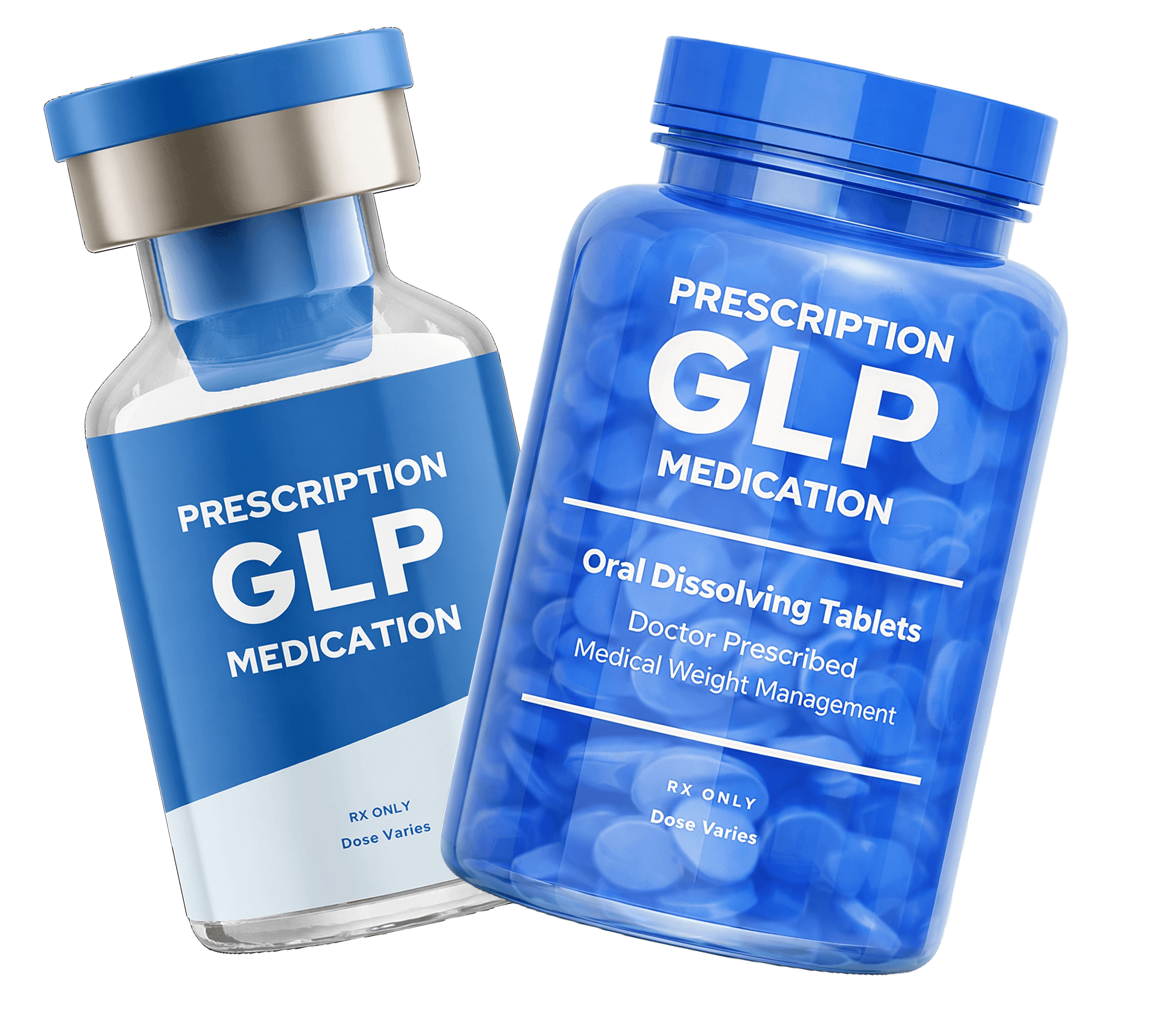
Available in both Weekly Injection & Daily Tablets
Lose 15-17% of body weight — clinically proven*
Unlimited 24/7 support included
No hidden fees! Everything you need is included
Start for just Rs. 4999 + free delivery
Takes 5 minutes. No commitment required.