Weight loss before your wedding — a realistic 16-week plan

By the ZIVOLABS Medical Team · Updated April 2026 · 8 min read
Sixteen weeks. Four months. That is a meaningful amount of time — enough to produce a visible, sustainable transformation if used well. It is also enough time to waste entirely on approaches that do not work for your body.
This is not a generic diet plan. It is a medically grounded 16-week framework that accounts for how Indian professional women actually live, what real wedding preparation looks like, and what science says about effective weight loss in that timeframe.
First: set an honest expectation
Before any plan, numbers. Safe, medically supported weight loss happens at 0.5–1 kg per week. In 16 weeks, that is 8–16 kg. Where you land in that range depends on your starting weight, metabolic profile, whether you are on medical support, and how consistently you execute the plan.
With medical support (GLP-1 medication for eligible patients): 10–14 kg over 16 weeks is realistic for most patients who are significantly overweight.
Without medical support, with strong dietary and exercise compliance: 6–10 kg is realistic.
With a crash diet approach: 4–6 kg initially, largely regained by the honeymoon.
The goal is fat loss — not weight loss. The number on the scale matters less than how you look in your wedding outfit, how you feel on the day, and whether the results last. These require a fundamentally different approach from what most brides are told.
The 16-week plan
Weeks 1–2: Foundation
What you do:
Medical assessment if pursuing GLP-1 medication — ZIVOLABS consultation can be completed in one session; medication typically arrives within 3–5 days
Baseline measurements: weight, waist, hips, arms. Photograph from front, side, back in fitted clothing. You will want this for comparison at week 16.
Blood tests if not done recently: thyroid (TSH), fasting blood sugar, iron (ferritin). Many brides discover undiagnosed hypothyroidism or anaemia that was working against them
Begin the dietary shift — not a diet, a shift. Increase protein at every meal. Add a vegetable to lunch and dinner. Reduce the portion of rice or roti by one-quarter
Exercise:
Begin walking 20–30 minutes daily. Consistency matters more than intensity at this stage.
Three sessions of bodyweight exercises: push-ups (or knee push-ups), squats, lunges, plank. 15–20 minutes each.
Expected results: Scale may not move much yet — this is normal. Digestion and energy typically improve first.
Weeks 3–4: Adjustment
What you do:
If on semaglutide: dose escalation to 0.5 mg. Appetite reduction becomes more pronounced. Some nausea is possible — manage with smaller meals and avoiding spicy food close to injection day.
Dietary focus: protein at 1.2–1.5 g per kg of body weight daily. For a 75 kg woman, that is 90–112 g protein. Dal, paneer, eggs, Greek yoghurt, chicken, fish.
Reduce ultra-processed foods — biscuits, namkeen, chips, packaged snacks. These are easy calorie sources that add up invisibly.
Exercise:
Continue daily walking.
Add one session per week of slightly more intensive cardio — a brisk walk with inclines, a dance class, a swim. Whatever is enjoyable.
Expected results by week 4: 2–3 kg loss. Energy improving. Clothes beginning to feel different.
Weeks 5–8: Building momentum
This is typically when visible changes begin to accelerate.
What you do:
If on semaglutide: settling into 0.5 mg dose. Appetite significantly reduced. Most patients find they naturally eat smaller portions without effort. Use this window to build better food habits — not to restrict aggressively.
Shift dietary focus toward nutrient density: the goal is not just fewer calories but better nourishment. Iron (important for hair and energy), zinc, B12, omega-3.
Reduce alcohol if you drink socially. Even 2–3 drinks per week adds significant empty calories and disrupts sleep quality.
Exercise:
Increase resistance training to 4 sessions per week. Focus on areas relevant to your wedding outfit — arms, shoulders, core, glutes. Lean muscle here changes how you look in a blouse or bodycon more than the scale number does.
Continue daily walking.
Skin: Begin a hydration protocol — 2.5–3 litres of water daily, consistent sleep (7+ hours as much as possible), sunscreen. What this does to your skin by week 16 is more noticeable than most people expect.
Expected results by week 8: 5–7 kg loss. Visible difference in face, waist, arms. Clothes fitting noticeably differently.
Weeks 9–12: Refinement
What you do:
ZIVOLABS check-in: doctor reviews progress, assesses whether dose escalation to 1 mg is appropriate
Caloric focus: do not restrict more aggressively — the goal is maintaining the deficit that is already working, not creating a larger one. Very low calorie intake at this stage risks muscle loss, hair thinning, and energy depletion — exactly what you do not want 4–6 weeks before the wedding.
Wedding outfit fittings typically happen in this window. Use this as feedback — not just the scale.
Exercise:
Continue resistance training, now with some focus on endurance and how you carry yourself — posture, core strength, shoulder definition.
Consider a weekly yoga or pilates session. Benefits to posture and stress management are visible in how you hold yourself in photographs.
Stress management: Wedding planning stress peaks in this phase. Chronic stress elevates cortisol, which actively resists weight loss. Sleep is the single most effective stress management tool — protect it. Cortisol spikes from sleep deprivation undo a significant amount of dietary effort.
Expected results by week 12: 8–11 kg loss. Body shape visibly different. Energy high. Face noticeably slimmer.
Weeks 13–16: The final phase
This is not the phase to introduce anything new or dramatic.
What you do:
Continue everything that has been working. This is not the time for a final crash — it is the time to protect your results and arrive at your wedding in your best physical state.
Final outfit fitting at week 14 — adjustments based on your transformed measurements.
Hydration and sleep as priorities. The difference between a bride who is well-rested and well-hydrated and one who is not is more visible than 2 additional kg of weight loss.
Do not attempt extreme water restriction or carb depletion in the final week. The scale may go down temporarily but you will feel depleted, look puffy the following day, and photograph poorly. It is not worth it.
Exercise:
Maintain your routine but do not introduce anything new or intense in the final 2 weeks. Muscle soreness on your wedding week is not the goal.
Expected results at week 16: 10–14 kg loss (with medical support) or 7–10 kg (without). More importantly: visibly different body composition, significantly better energy, improved skin, stronger posture, and the confidence that comes from having done this sustainably.
The medical support question
The 16-week plan above is designed to work with or without GLP-1 medication. But the results are meaningfully different.
Semaglutide does not make the plan easier to follow by magic. What it does is remove the biological headwind — the relentless hunger, the appetite that returns as soon as you restrict, the cravings that spike under stress. For brides who have tried and failed with dietary approaches before, that removal of biological resistance changes the experience fundamentally.
For brides who qualify medically (BMI 27.5+, or 23+ with PCOD or another comorbidity), starting semaglutide at week 1 of this plan is the approach Indian metabolic doctors now recommend.
Frequently asked questions
I have 12 weeks, not 16. Can I adapt this? Yes. Compress weeks 1–2 and weeks 13–16 to one week each. The middle phases remain most important. Results will be somewhat more modest but still significant.
My wedding is in 6 weeks. Is it too late to start? Not too late — but be realistic. Six weeks is enough for 3–5 kg of genuine fat loss with a structured approach, and potentially more with medical support. More importantly, six weeks of dietary change will improve your skin, energy, and how you carry yourself in ways the scale does not capture.
I have PCOD and have never lost weight despite trying. Will this work? PCOD-related weight gain is driven by insulin resistance that dietary effort alone cannot adequately address. GLP-1 medication is specifically effective here. See our dedicated guide: GLP-1 for PCOD.
What about hair loss? I have heard GLP-1 causes hair thinning. Hair thinning during rapid weight loss is related to caloric deficit and the physical stress of significant weight change — not a direct effect of the medication. Adequate protein intake (the plan above emphasises this) significantly reduces this risk. It is typically temporary and resolves as the body adjusts.
Can I continue the medication after the wedding? Yes — and for most patients, continuing is medically advisable. The goal of treatment is metabolic health, not just a number at a point in time. Many brides choose to continue and reach their full health goals in the year following the wedding.
Start now — not after the engagement party
The most consistent finding in bridal weight loss is that the brides who are happiest with their results started early and did it sustainably. Not the ones who crash-dieted in the final 6 weeks.
A ZIVOLABS consultation takes 20–25 minutes. If you qualify for medical support, your medication can arrive within a week.
[Start your health assessment →]
This article is for informational purposes only and does not constitute medical advice. Semaglutide is a prescription medication available only with a valid doctor's prescription. Individual results vary significantly. Always consult a qualified doctor before starting any new treatment.
Join India's weight loss revolution
See a specialist online. Get prescribed. Receive at your door.
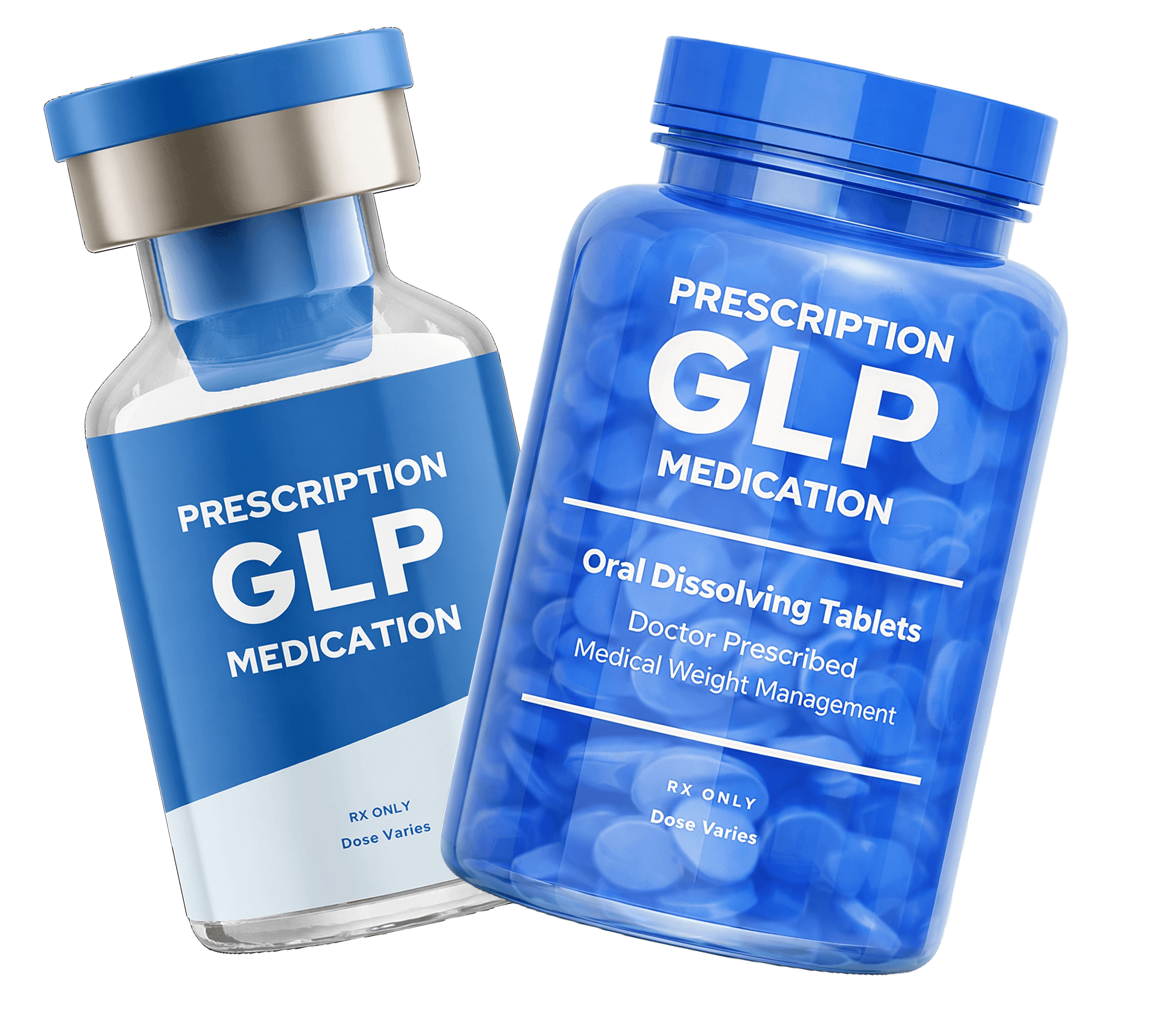
Not a diet. Not a gym plan.
Medical science. Finally in India.
Available in both Weekly Injection & Daily Tablets
Lose 15-17% of body weight — clinically proven*
Unlimited 24/7 support included
No hidden fees! Everything you need is included
Start for just Rs. 4999 + free delivery
Takes 5 minutes. No commitment required.