Telemedicine in India — is it legal and safe?
By the ZIVOLABS Medical Team · Updated April 2026 · 6 min read
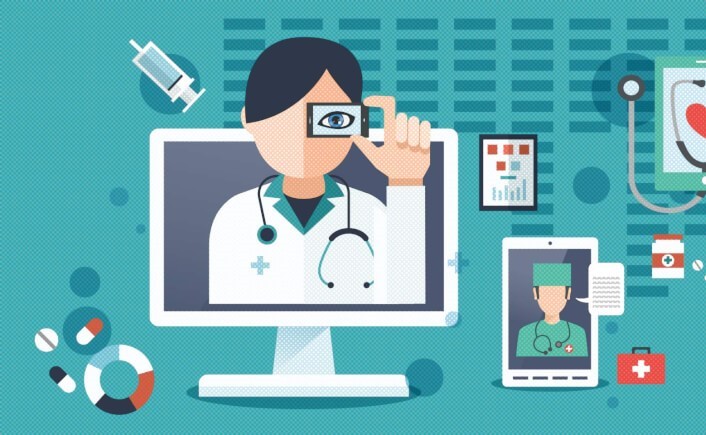
Before India's Telemedicine Practice Guidelines were published in March 2020, this question had no clear answer. Doctors were consulting patients online, platforms were operating, prescriptions were being issued — but without a formal regulatory framework, the legal status of all of it was ambiguous.
That ambiguity is resolved. Telemedicine in India is now explicitly legal, regulated, and — when done on a compliant platform by registered doctors — clinically safe. Here is what the law says, what it requires, and how to know whether the platform you are using meets the standard.
The legal basis: Telemedicine Practice Guidelines, 2020
The Ministry of Health and Family Welfare published the Telemedicine Practice Guidelines on March 25, 2020 — the same day India entered its first COVID-19 lockdown. The timing was not coincidental. The lockdown made in-person healthcare access impossible for millions of people, and telemedicine was the immediate solution.
The guidelines were developed by the Board of Governors (acting as the Medical Council of India at the time) in partnership with NITI Aayog. They were incorporated as an amendment to the Indian Medical Council (Professional Conduct, Etiquette and Ethics) Regulations, 2002 — which means they carry the full force of medical professional regulation.
Key provisions:
Telemedicine is legal for all registered medical practitioners in India. Any doctor registered with the NMC or a State Medical Council can conduct telemedicine consultations. There is no separate licence required.
Consultations can happen via any real-time medium. Video, audio, and text-based consultations are all permitted. The guidelines set different rules for each — for example, Schedule H drugs can be prescribed via video and audio consultation but have restrictions on text-only consultation for new patients.
Prescription of Schedule H drugs via telemedicine is permitted. This is the most important provision for GLP-1 medication. A registered doctor, after conducting an appropriate telemedicine consultation, can prescribe Schedule H drugs including semaglutide. The prescription requirements (doctor registration number, patient details, drug name and dose, etc.) apply equally to telemedicine prescriptions.
Doctors are responsible for clinical standards. The guidelines do not lower the standard of care expected — they extend the same ethical and clinical obligations to telemedicine practice that apply in-person. A doctor who prescribes without adequate assessment is in breach regardless of the medium.
What the guidelines require of telemedicine platforms
While the guidelines are addressed to doctors rather than platforms, they establish implicit requirements for any platform facilitating telemedicine:
The consulting doctor must be identifiable and NMC/State Medical Council registered
The consultation must involve a genuine clinical interaction — not just a form submission
The patient must be able to verify the doctor's identity
Records of the consultation must be maintained
Patient confidentiality must be upheld
Platforms that facilitate the issuance of prescriptions without a real consultation are not compliant with the guidelines — regardless of their marketing.
Is telemedicine clinically safe?
For the specific context of weight management with GLP-1 medication, telemedicine is clinically appropriate and safe. Here is why:
The clinical information needed for GLP-1 prescribing does not require physical examination. A doctor assessing eligibility for semaglutide needs to know your BMI, your medical history, your medications, your bloodwork, and whether any contraindications are present. All of this can be obtained and reviewed in a telemedicine consultation.
Ongoing monitoring is equally appropriate online. Monthly check-ins to review weight progress, side effects, and dose adjustment are clinical conversations — they do not require you to be physically present with the doctor.
The standard of care is the same. A negligent telemedicine consultation is as medically problematic as a negligent in-person consultation. The legal and ethical obligations are identical.
Limitations are known and managed. Physical examination — palpation, auscultation, direct visual assessment — cannot be conducted via telemedicine. Where these are clinically necessary, a responsible telemedicine doctor will refer the patient for in-person assessment. ZIVOLABS doctors are trained to identify when referral is appropriate.
How to verify a platform is telemedicine-compliant
Not every online healthcare platform operates within the telemedicine guidelines. Here is how to check:
The doctors are identifiable and NMC-registered. You should be able to know the name and registration number of the doctor who will consult you — and verify this at nmc.org.in.
A real consultation takes place. A prescription issued without a live interaction (video, audio, or detailed text exchange) is not compliant with the guidelines. If you received a prescription simply by submitting a form, the platform is not operating correctly.
The prescription is properly formatted. It includes the doctor's name, NMC registration number, prescription date, drug name, dose, and patient details. A prescription without these elements is not valid.
The platform has a grievance mechanism. Legitimate healthcare platforms provide a way to raise complaints — about care quality, data handling, or any other issue. The guidelines require this.
Common misconceptions about telemedicine legality
"Online prescriptions are not valid in India." False. Prescriptions issued by NMC-registered doctors following a telemedicine consultation are legally valid under the 2020 guidelines. Licensed pharmacies are required to honour them.
"You can only get a telemedicine prescription for minor conditions." False. The guidelines do not restrict telemedicine to minor conditions. Schedule H drugs — including semaglutide — can be prescribed via telemedicine by registered doctors.
"Telemedicine is only legal during COVID-19." False. The Telemedicine Practice Guidelines are permanent regulations — they were not temporary emergency measures. They remain in force and have been integrated into the permanent medical ethics framework.
"A prescription from an online doctor is not as valid as one from a clinic." False. A telemedicine prescription from an NMC-registered doctor following a proper consultation has the same legal validity as a clinic prescription.
ZIVOLABS and telemedicine compliance
ZIVOLABS operates under the Telemedicine Practice Guidelines, 2020. Specifically:
All consulting doctors are NMC-registered
All consultations involve a live interaction (video or audio) — no prescription is issued based on a form alone
Prescriptions meet all Schedule H requirements
Patient records and consultation data are maintained
A data protection framework compliant with the DPDPA is in place
A grievance mechanism is available to patients
Frequently asked questions
Can an Indian doctor practising abroad consult with patients in India via telemedicine? The Telemedicine Practice Guidelines apply to doctors registered with the NMC or a State Medical Council. A doctor who trained in India but is now practising abroad would need to maintain their Indian registration to prescribe for Indian patients under the guidelines.
Are there conditions telemedicine cannot treat? The guidelines identify situations where telemedicine is not appropriate — primarily emergencies and situations requiring immediate physical intervention. Routine weight management and metabolic health monitoring are not in this category.
What if I have a complaint about a ZIVOLABS consultation? Complaints can be raised through ZIVOLABS's grievance mechanism (available on the platform). Additionally, a complaint about a specific doctor can be filed with the NMC or the relevant State Medical Council.
[Start your legal, regulated ZIVOLABS consultation →]
This article is for informational purposes only and does not constitute legal advice. Telemedicine regulations are current as of April 2026. For the authoritative text of the guidelines, refer to the Ministry of Health and Family Welfare's Telemedicine Practice Guidelines, 2020.

Join India's weight loss revolution
See a specialist online. Get prescribed. Receive at your door.
Not a diet. Not a gym plan.
Medical science. Finally in India.
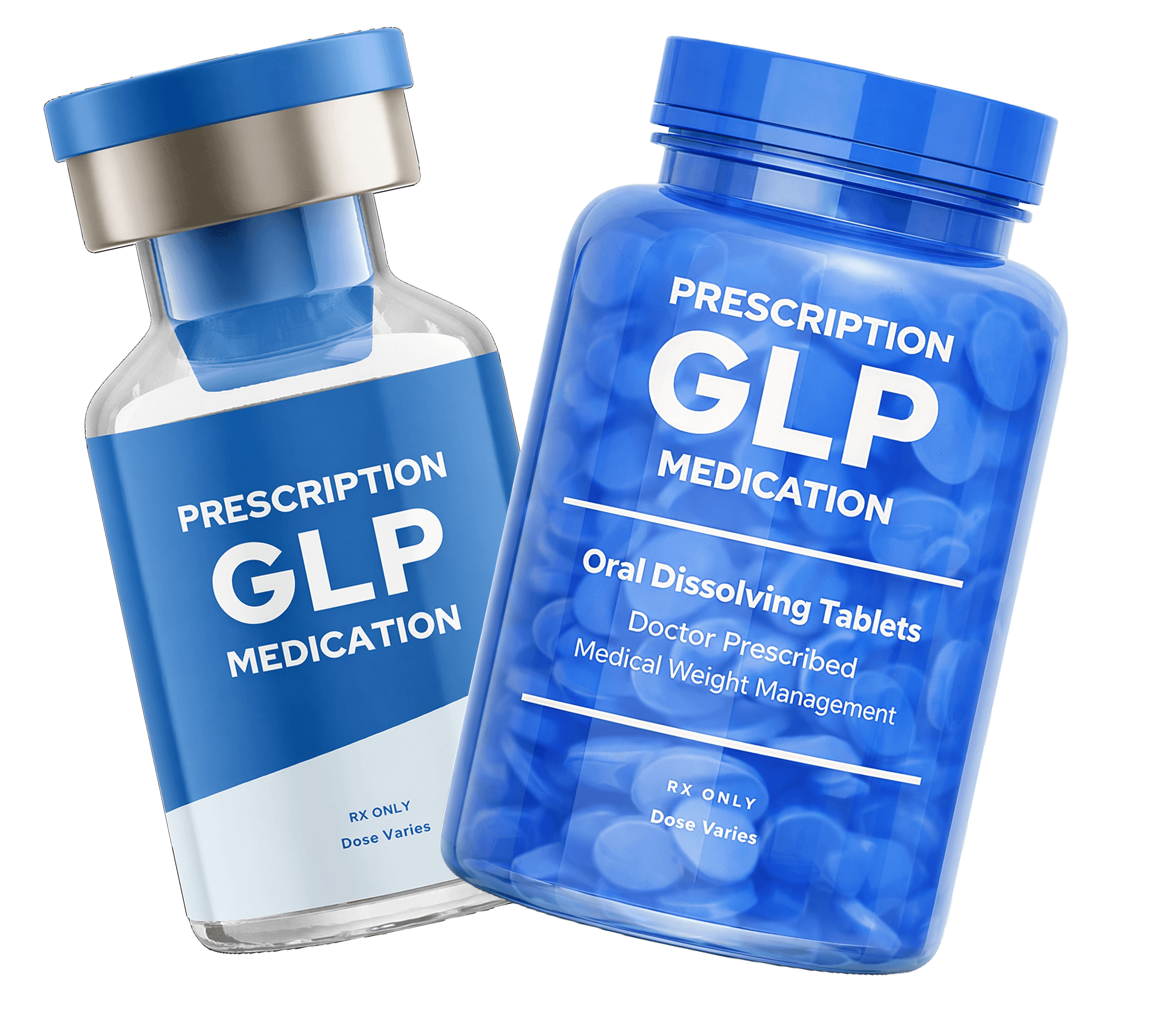
Available in both Weekly Injection & Daily Tablets
Lose 15-17% of body weight — clinically proven*
Unlimited 24/7 support included
No hidden fees! Everything you need is included
Start for just Rs. 4999 + free delivery
Takes 5 minutes. No commitment required.