Patent expiry — what it means for weight loss medication in India
By the ZIVOLABS Medical Team · Updated April 2026 · 6 min read
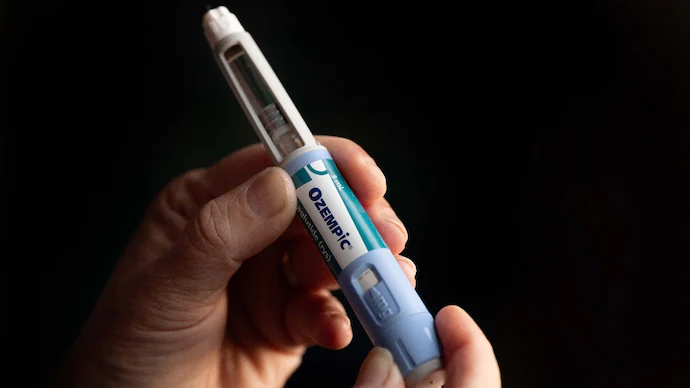
The reason generic semaglutide is now available in India — at a fraction of the cost of Ozempic — comes down to two words: patent expiry. Understanding how pharmaceutical patents work, why they expire, and what happens when they do explains why the Indian weight loss medication landscape changed so dramatically in 2025 and what may change further in the years ahead.
How pharmaceutical patents work
When a company develops a new drug molecule — as Novo Nordisk did with semaglutide — they file patents that give them exclusive rights to manufacture and sell that molecule for a defined period. In most countries, this is approximately 20 years from the patent filing date. During this period, no other company can legally produce the same molecule without a licensing agreement.
The rationale is straightforward: drug development is extraordinarily expensive — billions of dollars in research, clinical trials, and regulatory approval. Without patent protection, any competitor could immediately produce a cheaper generic version, making it impossible for innovator companies to recover their investment. Patents provide the incentive for pharmaceutical R&D.
The tradeoff is that during the patent period, the drug is priced at whatever the market (and regulatory environment) will bear — often extremely high.
What happens when a patent expires
When a pharmaceutical patent expires, other companies can legally manufacture the same active molecule — provided they demonstrate to the relevant regulatory authority (DCGI in India, FDA in the US) that their version is bioequivalent to the original.
This is what happened with semaglutide in India. As Novo Nordisk's exclusivity lapsed in the Indian market, Alkem Laboratories and Natco Pharma filed for DCGI approval of their own semaglutide formulations. Both received approval after demonstrating bioequivalence.
The price impact of generic entry is well-documented across pharmaceutical history. When generic competition enters a market:
Prices typically fall 30–80% within the first year of generic entry
Further price reductions often follow as more manufacturers enter
Access expands dramatically to populations previously priced out
This is exactly what happened with semaglutide in India.
Why the timing matters for Indian patients
The semaglutide patent situation in India is notably different from the US and European markets, where Novo Nordisk's exclusivity extends significantly longer. American patients are paying $800–$1,000 per month for Ozempic because no generic competition is legally permitted there yet. In India, the timeline was different — allowing generic entry years earlier.
This is not unusual. India has specific provisions in its patent law (particularly Section 3(d) of the Indian Patents Act) that set a higher bar for pharmaceutical companies seeking to extend patent protection through incremental modifications. This provision has historically made India a faster route to generic competition than Western markets.
The practical result: Indian patients have access to affordable semaglutide before American or British patients do, despite being considered an emerging market. The patient in Pune can access this treatment more affordably than the patient in Pittsburgh.
What the patent landscape looks like for other GLP-1 medications
Semaglutide is not the only GLP-1 medication, and the patent landscape for the class is evolving.
Liraglutide (Victoza, Saxenda): Liraglutide patents have largely expired in key markets. Generic liraglutide is available or becoming available in several countries. Indian generic versions may follow.
Tirzepatide (Mounjaro): Eli Lilly's dual GLP-1 and GIP agonist is under patent protection globally and in India. It is not yet available as a generic anywhere. This will change — eventually — but the timeline is years rather than months.
Dulaglutide (Trulicity): Patent protection in India may lapse in the next several years, potentially opening the door to Indian generics.
The direction is clear: as patents expire across the GLP-1 class, India's pharmaceutical manufacturing capability means generics will arrive — and prices will continue to fall.
What this means practically for patients today
Generic semaglutide is available now at accessible prices. The patent situation that makes this possible is real and established. DCGI-approved Semasize and Semanat are legitimate, regulated products — not grey-market imports or workarounds.
Prices may fall further. More manufacturers may seek DCGI approval for semaglutide over the next few years, increasing competition and potentially reducing prices.
Waiting for tirzepatide generics in India will take years. Tirzepatide shows higher weight loss than semaglutide in trials. But its patent protection means Indian generic versions are likely 5–7 years away at minimum. For patients who need treatment now, semaglutide is the evidence-based, affordable option available today.
The regulatory framework is sound. DCGI approval is not a rubber stamp — it requires real bioequivalence data and manufacturing quality demonstration. The generics available through ZIVOLABS are legitimate products from established Indian manufacturers.
Frequently asked questions
If generics are available, why is Ozempic still sold in India at the original price? Novo Nordisk continues selling Ozempic through licensed channels in India for patients who prefer the branded product — typically through private hospitals with import clearance. The generic entry does not force the branded product off the market; it simply provides an affordable, medically equivalent alternative.
Are Indian pharmaceutical companies paying Novo Nordisk royalties on generic semaglutide? Not in the typical sense. Once a patent expires, other manufacturers can produce the molecule without licensing fees — the entire point of the patent expiry mechanism. The generic manufacturers have fulfilled their obligation by meeting DCGI's bioequivalence standards.
Could Novo Nordisk take legal action against Indian generic manufacturers? They cannot prevent DCGI-approved manufacture of semaglutide after patent expiry in the Indian market. The legal framework supports the generic manufacturers' right to produce and sell.
This article is for informational purposes only. Pharmaceutical patent law is complex and jurisdiction-specific. This article provides general information for patient education purposes only.
Join India's weight loss revolution
See a specialist online. Get prescribed. Receive at your door.
Not a diet. Not a gym plan.
Medical science. Finally in India.
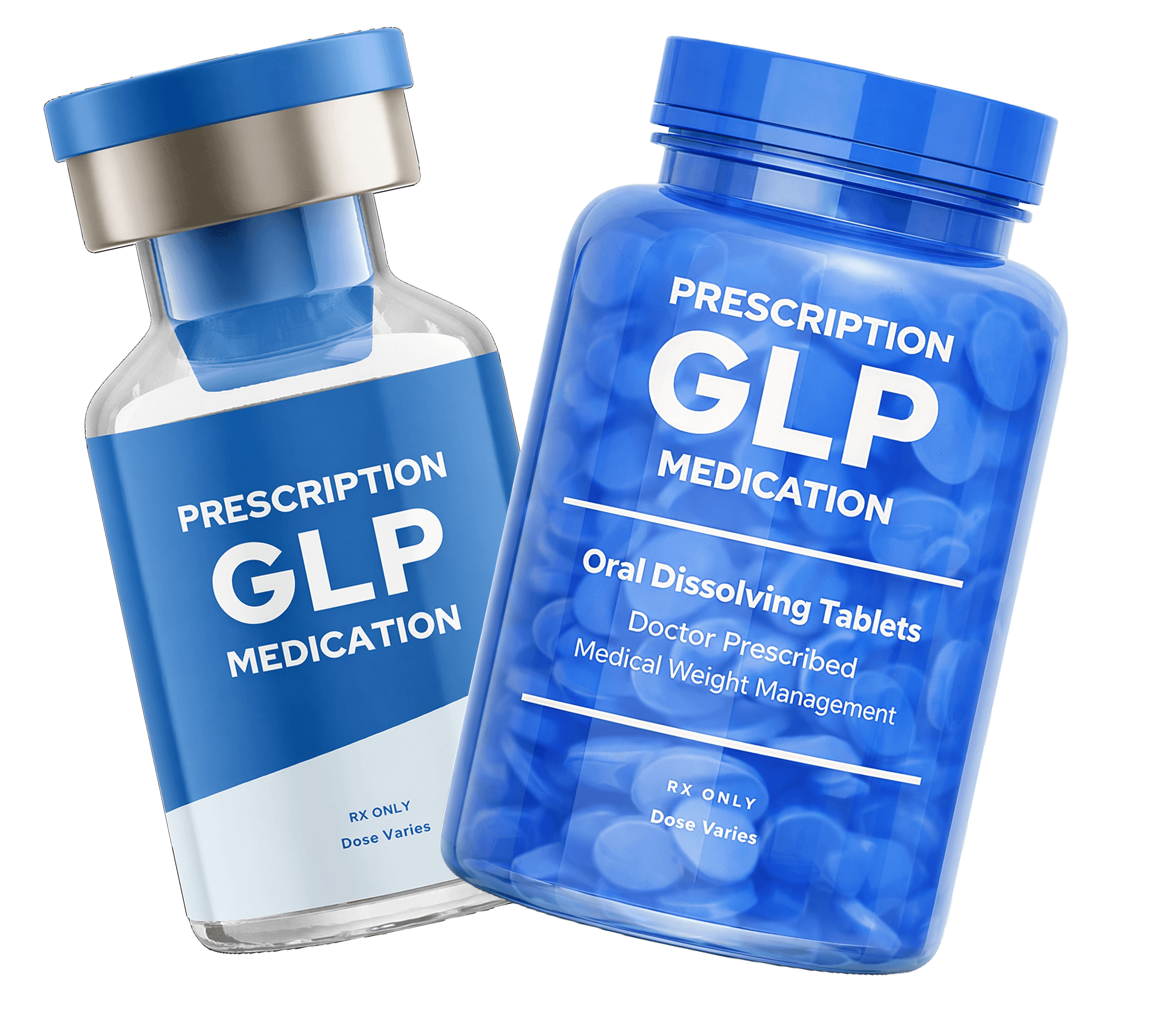
Available in both Weekly Injection & Daily Tablets
Lose 15-17% of body weight — clinically proven*
Unlimited 24/7 support included
No hidden fees! Everything you need is included
Start for just Rs. 4999 + free delivery
Takes 5 minutes. No commitment required.