GLP-1 vs intermittent fasting — can you combine them?
By the ZIVOLABS Medical Team · Updated April 2026 · 7 min read
Intermittent fasting has become one of the most widely practiced dietary approaches in India — popular, accessible, and requiring no special food purchases. GLP-1 medication is the most clinically effective medical intervention for weight loss currently available. Many patients on semaglutide are also doing intermittent fasting and wondering whether to continue, stop, or lean into the combination. This article covers both approaches and the answer to whether they can be combined.
How intermittent fasting works
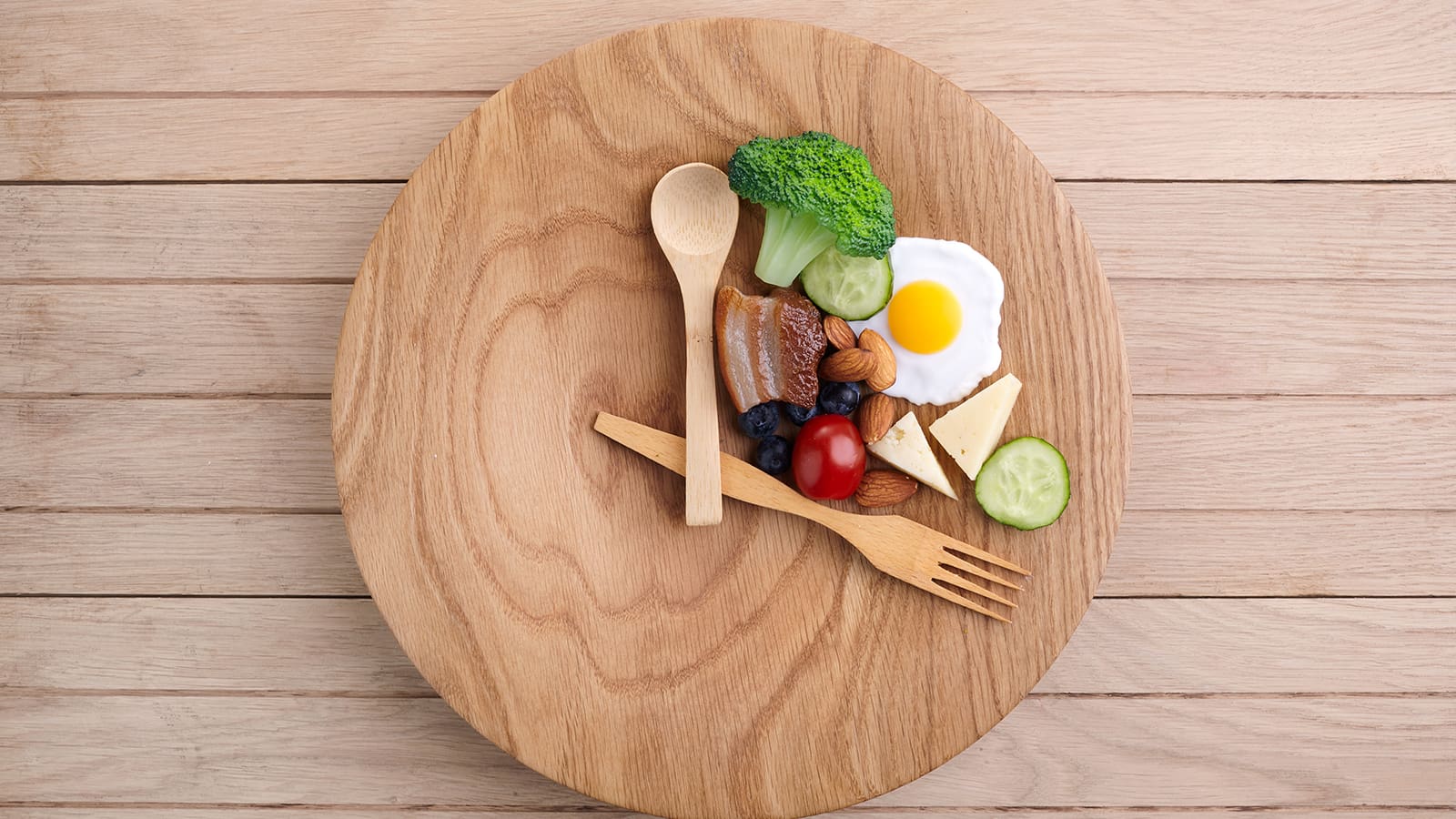
Intermittent fasting (IF) is not a diet in the traditional sense — it does not restrict what you eat, only when. The most common approaches:
16:8 — eat within an 8-hour window, fast for 16 hours. Typically this means skipping breakfast and eating between noon and 8pm. The most popular format in India.
5:2 — eat normally for 5 days per week, restrict to 500–600 kcal on 2 non-consecutive days.
OMAD (One Meal A Day) — eating all calories within a 1–2 hour window once daily. A more aggressive approach.
How it produces weight loss: The primary mechanism is caloric restriction through a shortened eating window. Most people naturally eat fewer total calories when they have fewer hours in which to eat. A secondary effect is hormonal — periods of fasting reduce insulin levels and may enhance fat mobilisation. Some research also suggests beneficial effects on metabolic markers and cellular repair (autophagy).
What the evidence shows: Meta-analyses of intermittent fasting trials consistently show average weight loss of 3–8% of body weight over 8–24 weeks. This is meaningful but substantially less than GLP-1 medication's 10–15%.
How GLP-1 medication works — and where it overlaps with IF
GLP-1 medication (semaglutide) reduces appetite by maintaining a sustained satiety signal in the brain. Patients eat less — not because they are restricted to a time window, but because they feel full sooner and hunger returns more slowly.
There is a natural overlap with intermittent fasting here: if you are not hungry in the morning on semaglutide, you will naturally delay eating — which produces a de facto intermittent fasting pattern without deliberately scheduling it. Many semaglutide patients find themselves spontaneously eating within a shorter window without any formal IF protocol.
Can you combine GLP-1 medication and intermittent fasting?
Yes — and for many patients, the combination is effective. But it requires some understanding of how the two interact.
What works well together:
Semaglutide reduces appetite during fasting periods, making fasting windows easier to maintain
The caloric deficit from IF adds to the deficit already created by reduced appetite on semaglutide
Both approaches reduce post-meal blood sugar spikes — the combination may produce better blood sugar outcomes than either alone for pre-diabetic or diabetic patients
What to watch for:
Excessive restriction: semaglutide already significantly reduces caloric intake. Adding a strict fasting protocol on top can produce a total caloric intake that is too low — below 800–1000 kcal/day. This leads to muscle loss, nutritional deficiency, fatigue, and hair thinning. More restriction is not always better.
Nausea: IF combined with semaglutide can mean going long periods without food. For some patients, particularly in the early weeks, an empty stomach worsens semaglutide-related nausea. Eating a small meal or snack prevents this.
Protein intake: If your eating window shrinks significantly, you may struggle to reach adequate daily protein — important for muscle preservation during weight loss. Monitor protein intake carefully when combining IF and semaglutide.
Practical guidance: combining IF and semaglutide safely
Start with semaglutide first. Let your body adjust to the medication for 4–6 weeks before adding a formal fasting structure. You will likely find your appetite has naturally shifted your eating patterns already.
Choose a moderate fasting window. 14:10 or 16:8 is appropriate. OMAD combined with semaglutide is generally not recommended — the resulting caloric intake is too low for sustainable, muscle-preserving fat loss.
Do not fast on injection day if nausea is a concern. Some patients find nausea is worse on injection day. Eating a small, bland meal before or after injection can help.
Hit your protein target within the eating window. On a 16:8 protocol with semaglutide, fit at least 1.2 g protein per kg body weight into your eating hours — dal, paneer, eggs, Greek yoghurt, chicken, or protein supplements if needed.
Monitor energy and wellbeing. If you feel consistently fatigued, lightheaded, or experience significant hair shedding, you may be undereating. Discuss with your ZIVOLABS doctor.
Comparison: IF alone vs GLP-1 alone vs combined
Intermittent fasting alone | GLP-1 alone | Combined | |
|---|---|---|---|
Average weight loss (6 months) | 3–6% body weight | 8–12% body weight | 10–14% body weight |
Requires dietary scheduling | Yes | No | Moderate |
Hunger during fasting | Often significant | Reduced | Significantly reduced |
Blood sugar improvement | Moderate | Significant | Significant to strong |
Sustainability (12 months) | Moderate — many people stop | High with medical support | High if not overly restrictive |
Risk of over-restriction | Low | Low | Moderate — needs monitoring |
Suitable for diabetics on insulin | Not without supervision | Yes with adjustment | Yes with careful supervision |
A note for diabetic patients
Intermittent fasting combined with GLP-1 medication can be effective for diabetic patients — but requires medical supervision if you are on insulin or sulfonylureas. Both IF and semaglutide lower blood sugar. Combined with medications that also lower blood sugar independently (particularly sulfonylureas), fasting periods can cause hypoglycaemia.
If you have diabetes and want to combine IF with semaglutide, discuss this with your ZIVOLABS doctor before starting. Your existing diabetes medications may need adjustment.
Which approach is right for you?
IF alone: Best for patients who do not meet GLP-1 eligibility criteria, who find fasting an easy habit to maintain, and whose weight loss goal is modest (5–8 kg).
GLP-1 alone: Best for patients who find dietary scheduling difficult to maintain, who eat socially or in unpredictable environments, or who have significant weight to lose.
Combined: Best for patients who are already doing IF and find it manageable, or who want to accelerate results beyond what semaglutide produces alone — with careful attention to total caloric intake and protein.
Frequently asked questions
I already do 16:8 IF. Should I stop when I start semaglutide? You do not have to stop — but be aware that semaglutide will further reduce your appetite during the fasting window. Monitor your total daily caloric intake to ensure you are not over-restricting. Your ZIVOLABS doctor will advise.
Is it safe to fast during Ramadan or Navratri while on semaglutide? Extended religious fasting combined with semaglutide requires discussion with your doctor. Religious fasts often involve specific eating patterns that may need adjustment when combined with appetite-suppressing medication. Your ZIVOLABS doctor can help you plan appropriately.
I find 16:8 easy but semaglutide makes me nauseous in the morning. What should I do? Try a small, bland snack (a few crackers, plain toast, or a banana) in the morning rather than full fasting until noon. Some appetite is needed to manage early nausea. You can tighten the fasting window again once nausea resolves in the first few weeks.
The bottom line
GLP-1 medication and intermittent fasting can be combined effectively — and many patients find they complement each other naturally. The key is avoiding over-restriction and ensuring adequate protein within the eating window.
For patients who have tried IF alone without achieving their goals, adding GLP-1 medication addresses the biological dimension that dietary timing alone cannot fix.
[Start your ZIVOLABS health assessment →]
This article is for informational purposes only and does not constitute medical advice. Diabetic patients should not combine intermittent fasting with diabetes medication without medical supervision. Individual results may vary.

Join India's weight loss revolution
See a specialist online. Get prescribed. Receive at your door.
Not a diet. Not a gym plan.
Medical science. Finally in India.
Available in both Weekly Injection & Daily Tablets
Lose 15-17% of body weight — clinically proven*
Unlimited 24/7 support included
No hidden fees! Everything you need is included
Start for just Rs. 4999 + free delivery
Takes 5 minutes. No commitment required.