GLP-1 program vs diet pills — why medication wins
By the ZIVOLABS Medical Team · Updated April 2026 · 6 min read
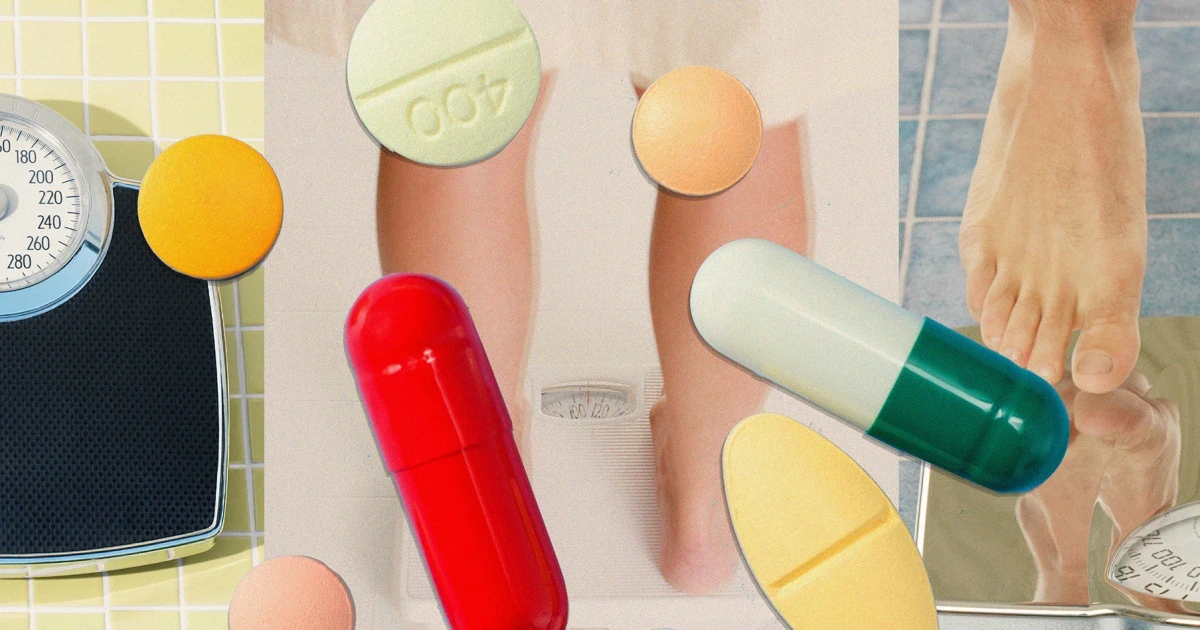
The Indian weight loss supplement market is enormous — fat burners, appetite suppressants, herbal slimming capsules, metabolism boosters, detox teas. These products generate billions of rupees annually and produce, on average, very little weight loss. GLP-1 medication is something categorically different. Understanding why requires understanding what diet pills actually are and what GLP-1 medication actually does.
What most diet pills actually contain
Walk into any health store, browse Amazon, or scroll Instagram and you will find hundreds of products claiming to support weight loss. The active ingredients in most fall into a few categories:
Stimulants: Caffeine, green tea extract, synephrine, guarana. These temporarily increase metabolic rate and can suppress appetite modestly. The effect diminishes with tolerance and disappears entirely when you stop. Clinical weight loss: 1–2 kg over 12 weeks at best. Side effects: anxiety, insomnia, elevated heart rate, blood pressure increase.
Fibre and bulk-forming agents: Glucomannan, psyllium husk. These create a feeling of fullness when consumed with water before meals. Clinical weight loss: 0.5–1.5 kg over 12 weeks. Generally safe. Mechanism is mechanical rather than hormonal.
Herbal extracts with claimed fat-burning properties: Garcinia cambogia, green coffee bean, conjugated linoleic acid (CLA), raspberry ketones. Clinical trials have been universally disappointing — most show weight loss statistically indistinguishable from placebo, or modest effects of 0.5–2 kg.
Diuretics: Some products cause water loss, producing rapid scale weight loss. This is not fat loss and reverses immediately when the supplement is stopped or hydration is restored.
Laxatives: Some "detox" and "teatox" products contain senna or other laxative compounds. This produces rapid weight on the scale from fluid and bowel content loss, with significant health risks including electrolyte imbalance and bowel dependency with prolonged use.
The common thread: these products are not regulated as medications. They do not require clinical trials demonstrating efficacy. They do not require DCGI approval for weight loss claims. They do not require a prescription. The regulatory bar for selling them is incomparably lower than for prescription medication.
What GLP-1 medication is
Semaglutide is not a supplement. It is not an extract. It is a precisely engineered molecule that mimics a hormone your body already produces — GLP-1 — and activates the same receptors, producing a sustained biological signal that changes how your brain regulates appetite and how your pancreas manages blood sugar.
It has been through Phase 1, Phase 2, and Phase 3 clinical trials involving thousands of patients over years. It has been reviewed and approved by the US FDA, the European Medicines Agency, and India's DCGI. Its efficacy and safety profile are established by clinical evidence that diet supplement manufacturers cannot match and do not have.
Clinical trial results for semaglutide: 14.9% average weight loss over 68 weeks (STEP 1 trial). Real-world results: 8–12% of body weight over 6–12 months. For a patient at 85 kg, that is 7–10 kg.
Clinical trial results for diet pills: Most show 1–3 kg over 12 weeks. Most cannot demonstrate this result with the statistical rigour required for drug approval. Most effects disappear when the product is stopped.
The regulatory difference
This is the most fundamental distinction and the one most often overlooked.
Diet supplements in India are regulated under the Food Safety and Standards Authority of India (FSSAI) as food products. FSSAI does not require clinical trials proving efficacy. Manufacturers must meet basic safety standards but are not required to demonstrate that their product actually does what they claim.
GLP-1 medication (semaglutide) is a Schedule H prescription drug regulated by the DCGI. To receive approval, the manufacturer must submit safety data, efficacy data from clinical trials, manufacturing quality documentation, and pharmacokinetic data. A doctor's prescription is legally required. A pharmacist must dispense it against that prescription.
When you take a diet pill, you are taking a product that may or may not do what its label claims — because no independent authority has verified the claim. When you take DCGI-approved semaglutide, you are taking a product whose efficacy has been demonstrated in randomised controlled trials and whose manufacturing quality has been independently inspected.
The cost comparison
Product | Monthly cost | Average weight loss | Clinical evidence |
|---|---|---|---|
Herbal fat burner (typical) | ₹800–₹3,000 | 0.5–1.5 kg over 12 weeks | Minimal / none peer-reviewed |
Caffeinated fat burner | ₹1,000–₹4,000 | 1–2 kg over 12 weeks | Weak |
Protein + fibre supplements | ₹1,500–₹5,000 | Variable, modest | Moderate for satiety |
ZIVOLABS GLP-1 program | ₹4,999 | 8–15% body weight over 12 months | Extensive — Phase 3 trials, DCGI approved |
The comparison is not close. Spending ₹2,000/month on a herbal fat burner for 12 months is ₹24,000 for uncertain, modest results. Spending ₹4,999/month on a GLP-1 program is ₹59,988 for 12 months of clinically demonstrated 10–15% weight loss with metabolic health benefits.
The supplement is not cheaper if it does not work.
The specific case against "fat burners"
Fat burner supplements are the largest category in the Indian weight loss supplement market. A typical fat burner product contains caffeine, green tea extract, and one or more exotic-sounding botanical extracts — often at doses that are too low to produce any physiological effect.
The evidence on fat burners:
A 2021 Cochrane-style review of fat burning supplement ingredients found no product in the category that produced clinically meaningful weight loss compared to placebo. The modest effects attributable to caffeine specifically diminish with tolerance and are associated with cardiovascular side effects at the doses used in supplement products.
More importantly: fat burners do not address why you are overweight. Excess weight in adults is almost always driven by a combination of metabolic factors — insulin resistance, hormonal disruption, disrupted appetite signalling — that a stimulant cannot fix. GLP-1 medication addresses the actual mechanism.
What to say to family members who suggest supplements
Indian families frequently recommend herbal products, Ayurvedic formulations, or well-known supplement brands as weight loss solutions. These suggestions come from genuine care, not bad intent. The most useful framing:
"I have seen a doctor who has recommended a prescription medication for my weight. It is approved by India's drug regulator and has clinical trial data showing meaningful weight loss. I am going to try the medical approach."
You are not dismissing their concern. You are indicating that you have taken medical advice — which is the appropriate response to a medical condition.
Frequently asked questions
Can I take a protein supplement alongside semaglutide? Yes. Protein supplements — whey, plant protein, casein — are nutritional supplements, not weight loss drugs. They support muscle preservation during weight loss, which is valuable on semaglutide. Many ZIVOLABS doctors actively recommend adequate protein intake alongside medication.
I have been taking a fat burner for 3 months with no results. Should I switch to GLP-1? If you meet the medical eligibility criteria (BMI ≥ 27.5, or 23+ with comorbidities), yes. The absence of results from a fat burner in 3 months is entirely expected — the clinical evidence for these products is extremely weak. GLP-1 medication addresses the biology of your weight problem in a way stimulants cannot.
My Ayurvedic doctor says herbal supplements will work. Should I trust them? Ayurvedic medicine has genuine value in many contexts. For significant weight loss — particularly in patients with PCOD, diabetes, or metabolic syndrome — the clinical evidence base for GLP-1 medication is incomparably stronger. The two approaches are not mutually exclusive, but substituting herbal products for prescription medication when medical intervention is indicated is not advisable.
The bottom line
Diet pills and weight loss supplements are not in the same category as GLP-1 medication. One is a consumer product that may or may not work, requiring no prescription and no clinical evidence of efficacy. The other is a DCGI-approved prescription drug with clinical trial data showing 10–15% weight loss in tens of thousands of patients.
The comparison is not about price. It is about whether you want a product that might help modestly, or a medication that demonstrably works.
[Start your ZIVOLABS health assessment →]
This article is for informational purposes only and does not constitute medical advice. Semaglutide is a prescription medication available only following consultation with an NMC-registered doctor. Individual results may vary.

Join India's weight loss revolution
See a specialist online. Get prescribed. Receive at your door.
Not a diet. Not a gym plan.
Medical science. Finally in India.
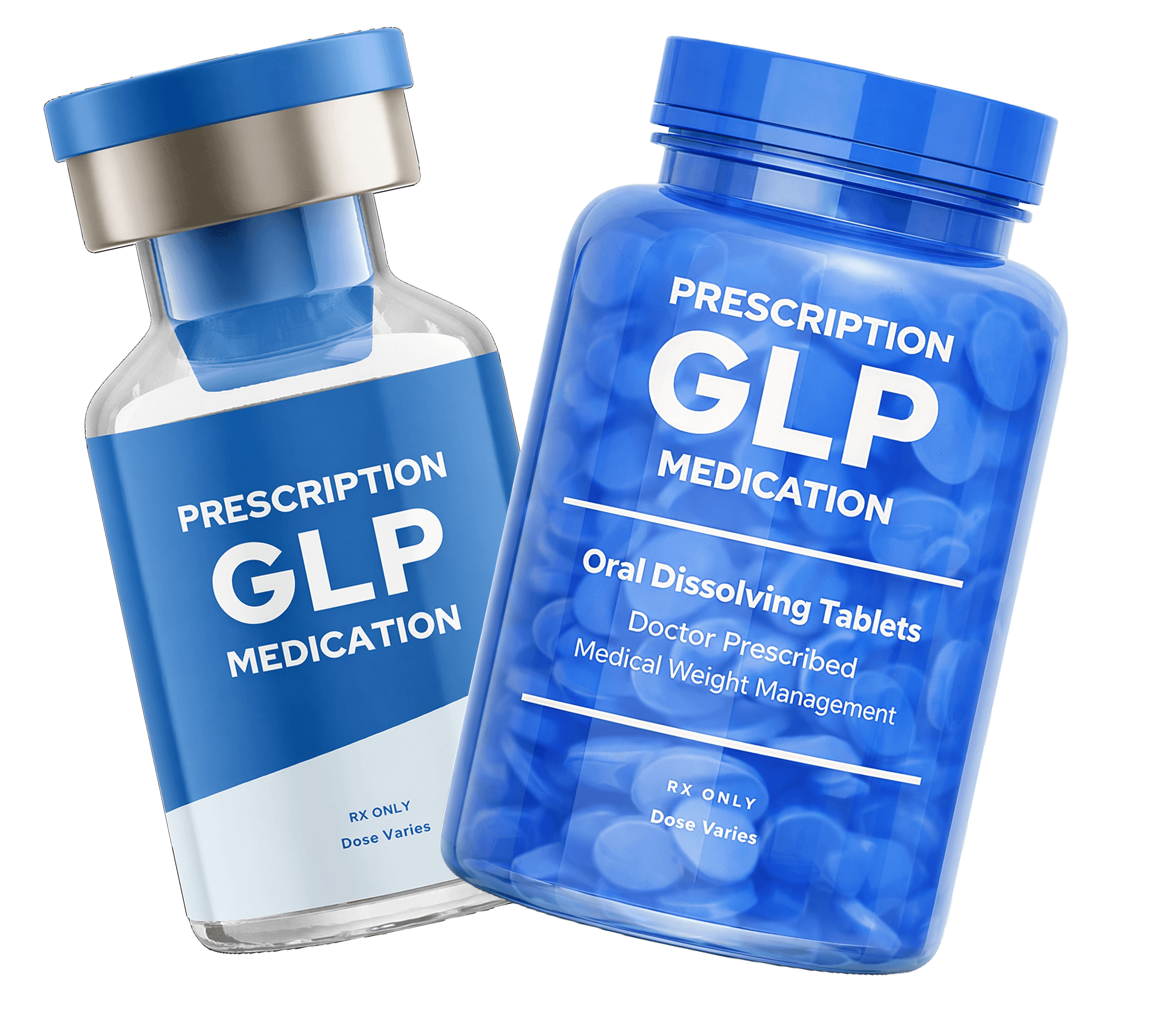
Available in both Weekly Injection & Daily Tablets
Lose 15-17% of body weight — clinically proven*
Unlimited 24/7 support included
No hidden fees! Everything you need is included
Start for just Rs. 4999 + free delivery
Takes 5 minutes. No commitment required.