GLP-1 for women over 40 — what changes after menopause
By the ZIVOLABS Medical Team · Updated April 2026 · 8 min read
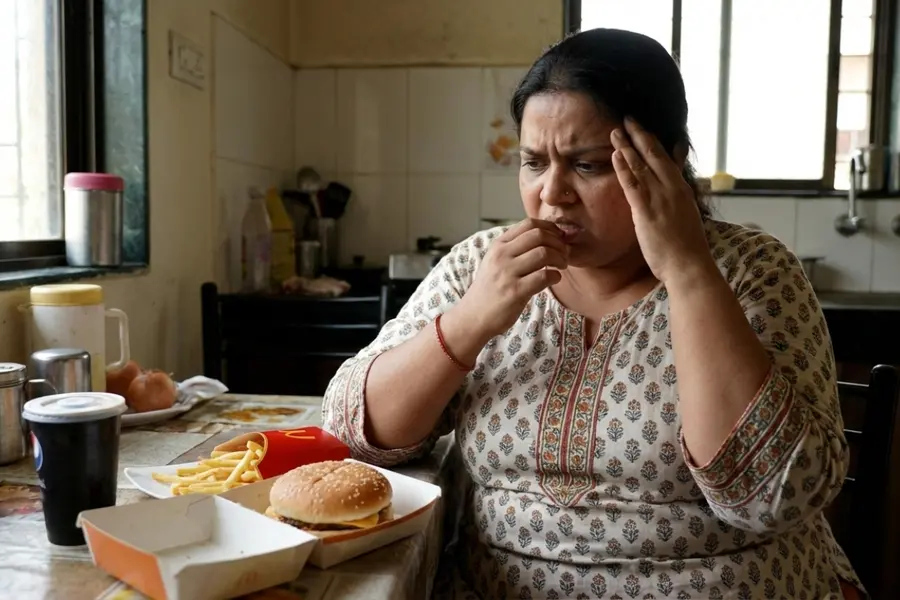
Many women in their 40s and 50s describe the same experience: they have not significantly changed what they eat or how much they exercise, but weight is accumulating — particularly around the abdomen — in a way it never did before. The clothes that fit at 38 do not fit at 44. The diet that worked at 35 does not work at 48.
This is not imagination. It is real, measurable biology. And understanding it is the first step to addressing it effectively.
What actually changes after 40
Oestrogen decline and fat redistribution
Before menopause, oestrogen plays a significant role in where the body stores fat — preferentially subcutaneous fat (under the skin, around the hips and thighs). As oestrogen falls during perimenopause and menopause — typically from the mid-40s onwards — fat storage shifts toward the abdomen and visceral organs. This is the "middle-age spread" that most women recognise, and it is hormonally driven.
Visceral fat — fat around the organs — is more metabolically active and more dangerous than subcutaneous fat. It is more strongly associated with insulin resistance, Type 2 diabetes, cardiovascular disease, and inflammation.
Muscle mass declines from the mid-30s
After approximately 35, muscle mass declines at roughly 1–2% per year without deliberate intervention. Less muscle means lower basal metabolic rate — the body burns fewer calories at rest. The same food intake that maintained weight at 35 produces weight gain at 45.
Insulin resistance increases with age
Independently of menopause, insulin resistance tends to increase with age — and oestrogen loss accelerates this. Cells become less responsive to insulin, blood sugar regulation becomes less efficient, and the metabolic environment becomes increasingly hostile to weight loss.
Sleep becomes worse
Hot flashes, night sweats, and hormonal disruption commonly cause sleep problems in perimenopausal and menopausal women. Poor sleep elevates cortisol and disrupts appetite hormones — ghrelin and leptin — in ways that directly increase appetite and caloric intake.
Why conventional approaches work less well after 40
Everything above conspires to make the diet-and-exercise approach that worked in your 30s significantly less effective in your 40s and 50s:
Lower metabolic rate means the same caloric deficit produces less weight loss
Increased insulin resistance means the body stores fat more readily
Visceral fat is more resistant to caloric restriction than subcutaneous fat
Hormonal disruption increases appetite and reduces energy for exercise
Sleep problems compound all of the above
This is why a woman in her 40s who is eating the same and exercising the same as she did a decade earlier is still gaining weight. She is fighting a significantly different biological environment.
How GLP-1 medication addresses post-40 weight gain
Semaglutide does not restore oestrogen or halt menopause. But it addresses several of the key mechanisms that make post-40 weight management so difficult.
It reduces appetite directly. By maintaining a sustained GLP-1 signal to the brain's satiety centres, semaglutide reduces the biological drive to eat more than the body needs. For women whose appetite has increased due to hormonal disruption, this is directly relevant.
It improves insulin resistance. GLP-1 medication directly improves the body's response to insulin — which is a primary driver of post-menopausal weight gain. This effect is independent of weight loss itself, though weight loss further amplifies it.
It produces visceral fat loss. Studies specifically examining fat distribution in patients on semaglutide show meaningful reduction in visceral fat — the abdominal fat that is most difficult to address through conventional dieting and most associated with metabolic risk.
It supports weight loss despite lower metabolic rate. The caloric deficit produced by reduced appetite is effective even when basal metabolic rate has declined — because it creates a deficit relative to current metabolic needs, not past ones.
Clinical evidence in perimenopausal and menopausal women
The STEP 1 trial included women across a wide age range, with a significant proportion in the peri- and post-menopausal age group. The weight loss results were consistent with the overall trial population — approximately 14.9% average weight loss over 68 weeks — suggesting that menopausal status does not substantially diminish semaglutide's effectiveness.
Real-world clinical experience from Indian endocrinologists treating women over 40 is consistent with this: women in their 40s and 50s respond well to semaglutide, often achieving results that had been elusive despite years of dietary effort.
Does GLP-1 medication interact with hormone replacement therapy (HRT)?
Hormone replacement therapy (HRT) — increasingly used in India for perimenopausal and menopausal symptom management — does not interact with semaglutide. The two treatments work through entirely different mechanisms and can be used simultaneously.
Some research suggests that HRT itself, by partially restoring oestrogen, may support more favourable fat distribution and insulin sensitivity. Women on HRT who also qualify for semaglutide may find the combination particularly effective — though this is a conversation to have with both your gynaecologist and your ZIVOLABS doctor.
What GLP-1 medication does not address
It does not treat menopausal symptoms. Hot flashes, night sweats, mood changes, and vaginal dryness are oestrogen-mediated symptoms. Semaglutide does not affect oestrogen levels. For these symptoms, a gynaecologist's input on HRT or other approaches is the appropriate route.
It does not prevent bone density loss. Menopause accelerates bone density loss. Semaglutide has no direct effect on bone density — adequate calcium, Vitamin D, and weight-bearing exercise remain important.
It does not address sleep directly. Though weight loss from semaglutide may reduce sleep apnoea (if present) and generally improve sleep quality, it does not treat the hormonal causes of perimenopausal sleep disruption.
Who over 40 qualifies for GLP-1 medication?
The eligibility criteria are the same regardless of age:
BMI of 27.5 or above (Indian threshold)
BMI of 23 or above with comorbidities — hypertension, Type 2 diabetes or pre-diabetes, dyslipidaemia, cardiovascular risk
Type 2 diabetes (regardless of BMI)
There is no upper age limit. Women in their 50s, 60s, and beyond are eligible if they meet the criteria and do not have contraindications. The ZIVOLABS health assessment will flag any age-related considerations — kidney function, cardiovascular history, current medications — for the doctor to review.
Combining GLP-1 medication with lifestyle for maximum benefit after 40
Semaglutide alone is effective. Combined with lifestyle factors specifically adapted for post-40 physiology, results are significantly better.
Resistance training is non-negotiable. After 40, the loss of muscle mass must be actively countered. Resistance training — weights, resistance bands, bodyweight exercises — builds and preserves muscle in a way that cardio alone does not. Two to three sessions per week of 20–30 minutes is sufficient. This is the single most important lifestyle addition for women over 40 seeking body composition improvement.
Protein intake must increase. As muscle synthesis efficiency declines with age, more protein is required to maintain muscle mass. Women over 40 on semaglutide should aim for 1.2–1.5 g of protein per kg of body weight daily — considerably more than the generic advice of 0.8 g/kg.
Sleep must be protected. The hormonal disruptions of perimenopause make sleep worse, and poor sleep makes weight loss harder. Prioritising sleep — through whatever approaches work, including HRT for hot flashes if appropriate — significantly improves treatment outcomes.
Stress management. Cortisol from chronic stress promotes abdominal fat storage — exactly the pattern that post-menopausal women are already vulnerable to. Managing stress is not optional for this population.
Frequently asked questions
I am 52 and post-menopausal. Have I missed the window for effective weight loss? No. Weight loss at any age is beneficial for metabolic health, cardiovascular risk, and quality of life. Semaglutide is effective in post-menopausal women. The process may require greater attention to muscle preservation than in younger patients, but the outcome is achievable.
I have put on 10 kg since my periods stopped 3 years ago. Is this reversible? Yes. Menopausal weight gain — even over several years — responds to medical weight loss intervention. This is not weight that is "stuck" permanently. It requires an appropriate approach that acknowledges the changed metabolic environment.
Can I take semaglutide alongside my thyroid medication? For most thyroid patients, yes — with monitoring. Semaglutide slows gastric emptying which can affect levothyroxine absorption. TSH should be checked more frequently in the first few months. See our dedicated blog: GLP-1 for thyroid patients.
I am on blood pressure and cholesterol medication. Can I still start semaglutide? Semaglutide typically improves blood pressure and lipid profiles as weight is lost — which may eventually allow medication reduction under doctor supervision. There are no significant direct interactions between semaglutide and most blood pressure or statin medications. Your ZIVOLABS doctor will review your complete medication list.
I am perimenopausal — still having irregular periods. Does this change anything? Perimenopause (the transition to menopause, typically from the mid-40s) involves fluctuating oestrogen levels — higher variability than post-menopause. The insulin resistance and fat redistribution effects begin during perimenopause. Semaglutide is appropriate during perimenopause for eligible patients, with no special restrictions related to menstrual irregularity.
Your biology changed — your approach should too
The advice that worked for weight management in your 30s was written for a different metabolic reality. Post-40 weight — particularly after menopause — requires an approach that acknowledges insulin resistance, muscle loss, and the changed hormonal environment.
GLP-1 medication is the most clinically effective medical tool currently available for this population. A ZIVOLABS consultation takes 20–25 minutes and can be done from home.
[Start your health assessment →]
This article is for informational purposes only and does not constitute medical advice. Semaglutide is a prescription medication. Discuss any treatment alongside existing medications or HRT with your qualified doctors. Individual results may vary.

Join India's weight loss revolution
See a specialist online. Get prescribed. Receive at your door.
Not a diet. Not a gym plan.
Medical science. Finally in India.
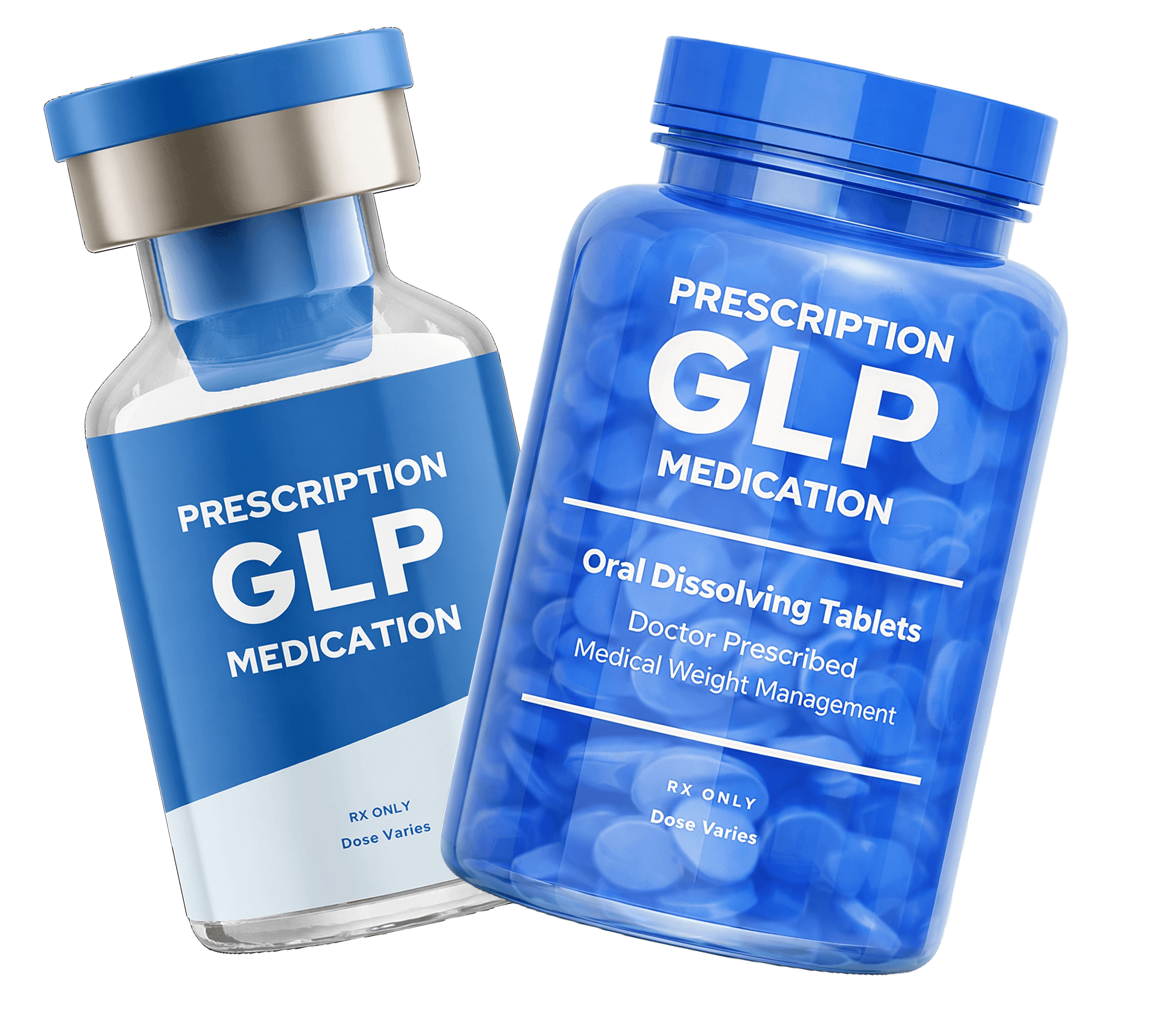
Available in both Weekly Injection & Daily Tablets
Lose 15-17% of body weight — clinically proven*
Unlimited 24/7 support included
No hidden fees! Everything you need is included
Start for just Rs. 4999 + free delivery
Takes 5 minutes. No commitment required.