GLP-1 for thyroid patients — what you need to know
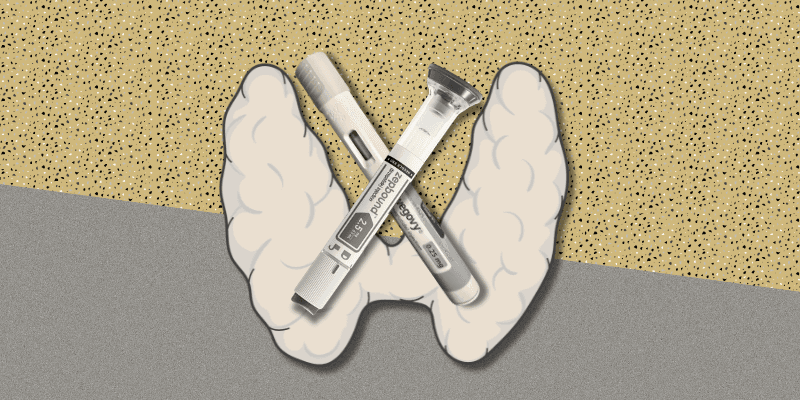
By the ZIVOLABS Medical Team · Updated April 2026 · 7 min read
Thyroid conditions and weight problems are deeply intertwined in India. Hypothyroidism — an underactive thyroid — is one of the most common endocrine disorders in Indian women, and it is also one of the most frequently cited reasons why weight loss feels impossible. The question many thyroid patients are now asking is: can GLP-1 medication help where diet and exercise have not?
The answer is nuanced, important, and often misunderstood. This article covers what the thyroid does to weight, how GLP-1 medication interacts with thyroid patients, and what the important safety consideration is that every thyroid patient must know before starting.
How the thyroid affects weight
The thyroid gland produces hormones — primarily T3 (triiodothyronine) and T4 (thyroxine) — that regulate the body's metabolic rate. Every cell in the body uses thyroid hormone to determine how fast to run its metabolic processes.
When the thyroid is underactive (hypothyroidism), metabolic rate falls. The body burns fewer calories at rest, processes nutrients more slowly, retains more fluid, and tends to gain weight. Energy is lower, and exercise feels harder than it should.
Is all thyroid-related weight gain from the metabolic slowdown? Partly, but not entirely. Hypothyroidism also causes fluid retention — which shows up on the scale. And the fatigue of hypothyroidism reduces activity levels, contributing indirectly to weight gain.
How much weight does hypothyroidism actually cause? This is where expectations often diverge from reality. Most of the weight gain directly attributable to hypothyroidism is modest — typically 2–5 kg — and much of it is fluid rather than fat. Patients who believe their thyroid is responsible for 15–20 kg of excess weight are usually dealing with a combination of hypothyroidism and independent metabolic factors, including insulin resistance, that coincide with the thyroid condition.
Does treating hypothyroidism cause weight loss?
Achieving optimal thyroid hormone replacement (bringing TSH into the normal range with levothyroxine or equivalent) typically results in:
Reversal of fluid retention — often 2–3 kg lost quickly
Restoration of metabolic rate — which stops the progressive weight gain
Improved energy — which enables more physical activity
What it typically does not produce is significant fat loss. Once the thyroid is well-controlled, the remaining excess weight requires its own dietary and potentially medical management — the same as for someone without thyroid disease.
This is the point at which many thyroid patients, frustrated that "treating the thyroid didn't fix the weight," become open to additional interventions.
Is GLP-1 medication appropriate for thyroid patients?
For most thyroid patients, yes — with one critical exception discussed below.
Patients with hypothyroidism on stable levothyroxine: GLP-1 medication is generally appropriate for these patients who meet the eligibility criteria (BMI ≥ 27.5, or BMI ≥ 23 with comorbidities). The two treatments work through entirely different mechanisms and do not interact with each other directly.
However, there is an important practical consideration: semaglutide slows gastric emptying, which means it can slow the absorption of other oral medications — including levothyroxine. Levothyroxine is already a medication that requires careful attention to timing (typically taken on an empty stomach, 30–60 minutes before food). Patients starting semaglutide should monitor their thyroid function (TSH) more closely in the first few months, as the altered absorption timing may require a levothyroxine dose adjustment. Your ZIVOLABS doctor and the doctor managing your thyroid should both be aware.
Patients with hyperthyroidism (overactive thyroid): Active, untreated hyperthyroidism requires treatment before initiating GLP-1 medication. Weight loss during hyperthyroidism is already occurring and the metabolic environment is unstable. Once hyperthyroidism is treated and thyroid function is stable, GLP-1 eligibility can be reassessed.
Patients with autoimmune thyroid disease (Hashimoto's): Hashimoto's thyroiditis — the most common cause of hypothyroidism — is not a contraindication for GLP-1 medication. Patients with well-controlled Hashimoto's on stable levothyroxine are managed the same way as other hypothyroid patients.
The one safety concern every thyroid patient must know
This is the most important part of this article and deserves full attention.
GLP-1 medications — including semaglutide — carry a warning regarding medullary thyroid carcinoma (MTC). This is a specific, rare type of thyroid cancer that originates in the C-cells of the thyroid (cells that produce calcitonin, not thyroid hormone). It is different from the common forms of thyroid cancer — papillary and follicular — which are far more common.
Animal studies showed that at high doses, GLP-1 receptor agonists caused C-cell tumours in rodents. Human clinical trials have not confirmed this risk at therapeutic doses, and the biological relevance of the rodent findings to humans is uncertain. Nevertheless, regulatory bodies globally — and the DCGI in India — have placed a precautionary contraindication.
GLP-1 medication is contraindicated in patients with:
Personal history of medullary thyroid carcinoma (MTC)
Family history of medullary thyroid carcinoma
Multiple endocrine neoplasia syndrome type 2 (MEN 2) — a genetic syndrome associated with MTC
This contraindication does NOT apply to:
Common papillary thyroid cancer (the most frequently diagnosed thyroid cancer in India)
Follicular thyroid cancer
Hashimoto's thyroiditis
Hypothyroidism in general
Subclinical hypothyroidism
Thyroid nodules (that have been evaluated and found non-cancerous)
If you have been treated for papillary or follicular thyroid cancer — which together account for the vast majority of thyroid cancers in India — this contraindication does not apply to you. Tell your ZIVOLABS doctor your thyroid history in full, and they will confirm your eligibility.
Results for thyroid patients on GLP-1 medication
Clinical trials did not specifically stratify results for patients with thyroid disease, but patients with well-controlled hypothyroidism were included in major trials. The weight loss outcomes appear consistent with the overall trial population.
In clinical practice, Indian endocrinologists treating patients with both hypothyroidism and obesity report that semaglutide produces meaningful weight loss in thyroid patients — often weight that was not achievable with thyroid treatment and diet modification alone. The key is ensuring the thyroid is well-controlled first.
Practical guidance: starting GLP-1 medication as a thyroid patient
Before starting:
Ensure your TSH is within the target range on your current dose of levothyroxine
Share your complete thyroid history with your ZIVOLABS doctor — diagnosis, current medication, most recent TSH result
Confirm whether your thyroid history includes any MTC or MEN 2 (rare, but must be excluded)
After starting:
Check TSH at 2–3 months — semaglutide's effect on gastric emptying may alter levothyroxine absorption
Take levothyroxine at the same time of day, consistently, on an empty stomach as usual
If you notice symptoms of underactive or overactive thyroid (fatigue, weight changes, palpitations, temperature sensitivity), contact both your ZIVOLABS doctor and your thyroid physician
Ongoing:
TSH monitoring every 6 months is standard for thyroid patients on stable medication — continue this alongside semaglutide monitoring
Frequently asked questions
I have an underactive thyroid and have been told it's the reason I can't lose weight. Is semaglutide right for me? Possibly yes, if you meet the BMI criteria and your thyroid is well-controlled. Hypothyroidism contributes to weight gain, but once treated, remaining excess weight often requires its own medical management. Semaglutide is a well-established option for this situation — discuss it with your ZIVOLABS doctor.
I had papillary thyroid cancer 5 years ago and have been treated. Can I take GLP-1 medication? Papillary thyroid cancer is not medullary thyroid carcinoma. The GLP-1 contraindication applies specifically to MTC. If your history is papillary thyroid cancer with no MTC component, the contraindication does not apply. Tell your ZIVOLABS doctor your full history and they will confirm.
My TSH is "normal" but I still feel slow and tired. Will semaglutide help with energy? Weight loss from any cause — including semaglutide — consistently improves energy levels. Additionally, if you are insulin resistant (common in thyroid patients), the improvement in insulin sensitivity from semaglutide may significantly improve how you feel regardless of thyroid hormone levels.
Will semaglutide affect my levothyroxine dose? It may, via the gastric emptying effect. This is manageable — your TSH is checked more frequently in the first few months and your levothyroxine dose adjusted if needed. It is not a reason to avoid semaglutide; it is a reason to monitor carefully.
I have thyroid nodules. Does that affect eligibility? Thyroid nodules — particularly benign nodules confirmed by ultrasound and FNAC — are not a contraindication for GLP-1 medication. If your nodules have not been evaluated, getting them assessed before starting is reasonable clinical practice.
A condition that deserves a personalised assessment
Thyroid patients represent one of the largest groups of Indian women who struggle with weight despite being on treatment. GLP-1 medication offers a medically appropriate path forward for most of them. The key is a doctor who understands both conditions.
[Start your health assessment with ZIVOLABS →]
This article is for informational purposes only and does not constitute medical advice. Semaglutide is contraindicated in patients with a personal or family history of medullary thyroid carcinoma. Always share your complete medical history with your prescribing doctor. Individual results may vary.

Join India's weight loss revolution
See a specialist online. Get prescribed. Receive at your door.
Not a diet. Not a gym plan.
Medical science. Finally in India.
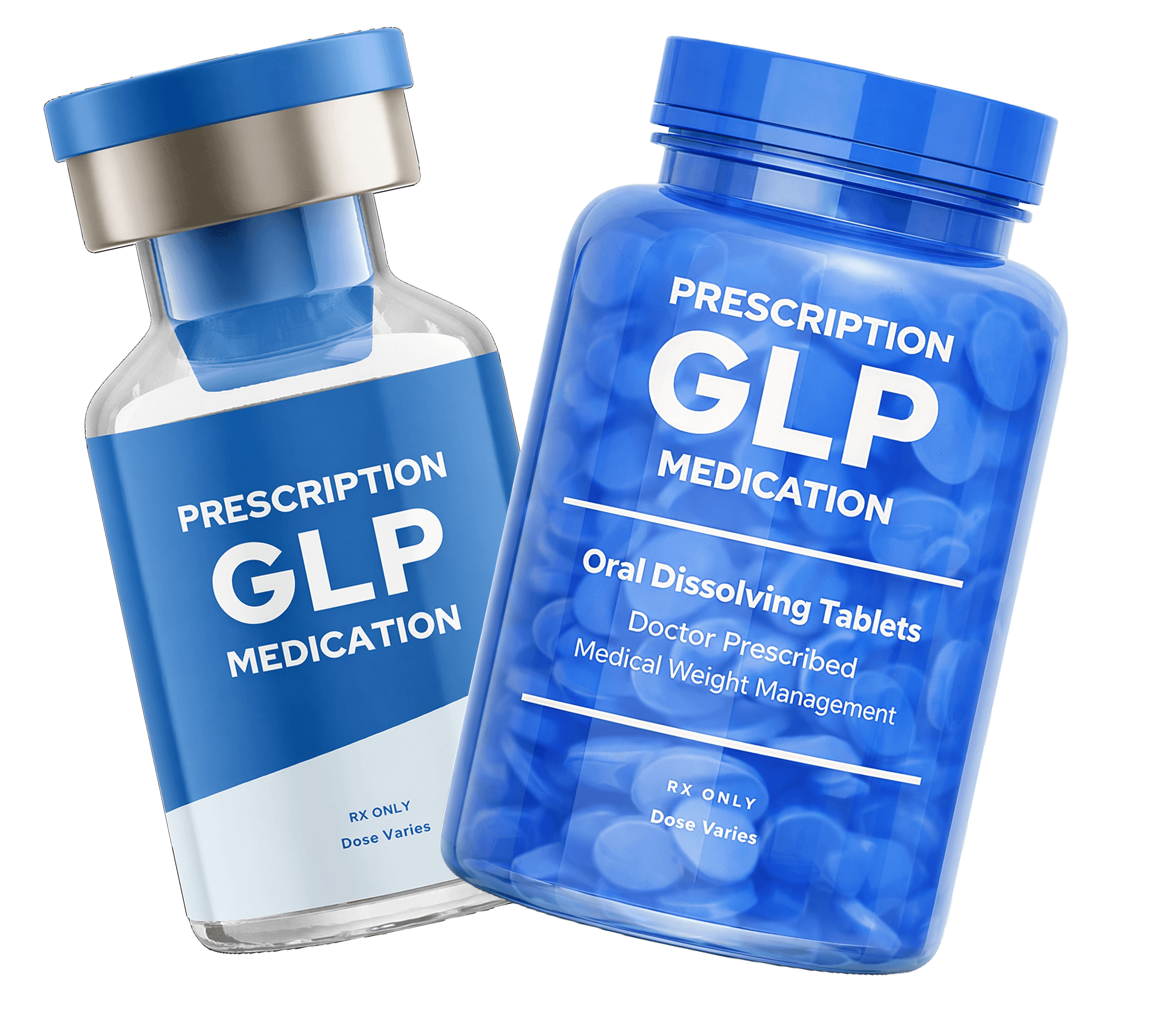
Available in both Weekly Injection & Daily Tablets
Lose 15-17% of body weight — clinically proven*
Unlimited 24/7 support included
No hidden fees! Everything you need is included
Start for just Rs. 4999 + free delivery
Takes 5 minutes. No commitment required.