GLP-1 for diabetics in India — complete guide
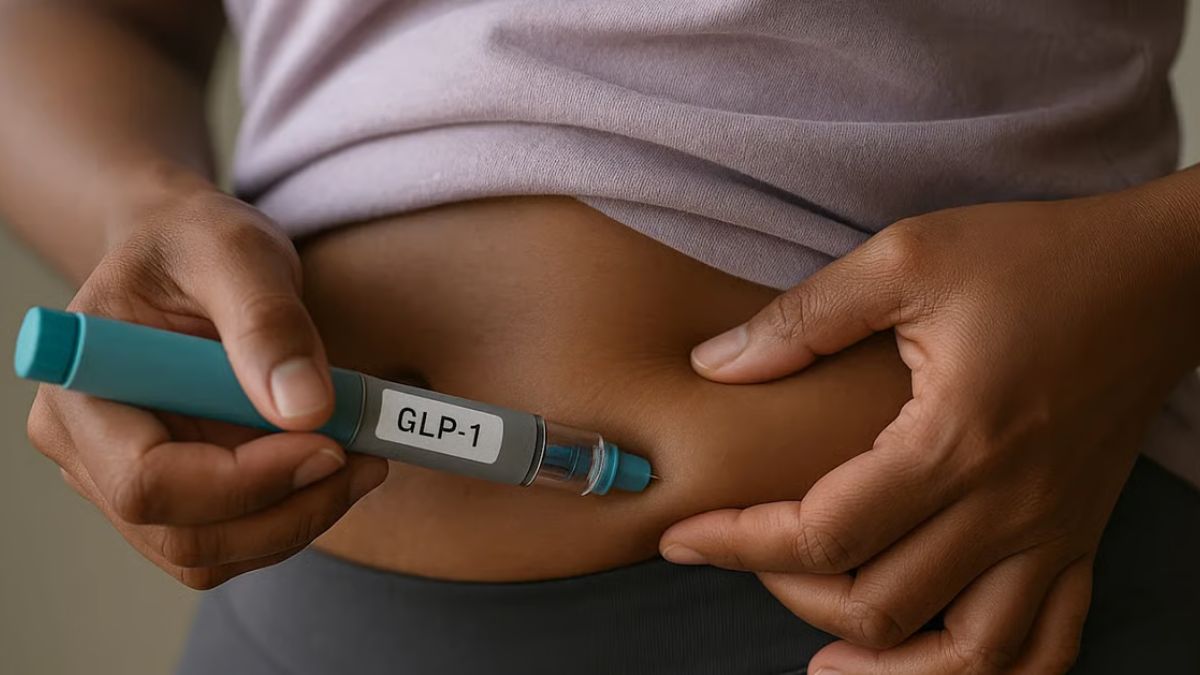
By the ZIVOLABS Medical Team · Updated April 2026 · 9 min read
If you have Type 2 diabetes in India, you are managing one of the most demanding chronic conditions in the country — with a healthcare system that often provides limited time, limited individualisation, and limited access to the newest treatment options. GLP-1 medication has changed what is possible for diabetic patients. This guide covers everything you need to know.
Why GLP-1 medication is a significant development for Indian diabetics
India has over 100 million adults living with Type 2 diabetes. The standard treatment pathway — metformin, then sulfonylureas, then insulin — has been largely unchanged for decades. It is effective, but it has limitations: sulfonylureas cause weight gain and hypoglycaemia, insulin causes weight gain and requires daily injection, and neither addresses the underlying metabolic dysfunction in the way GLP-1 medication does.
GLP-1 receptor agonists like semaglutide represent a genuinely different class of treatment. They lower blood sugar effectively, produce meaningful weight loss, carry very low hypoglycaemia risk on their own, and have proven cardiovascular protective effects. For Indian diabetic patients — who often have the combination of excess weight, insulin resistance, cardiovascular risk, and fatty liver — this profile is particularly relevant.
Until recently, these medications were available only at prohibitive cost. The DCGI approval of generic semaglutide in India has changed that.
How GLP-1 medication works for Type 2 diabetes
Type 2 diabetes develops when the body's cells become resistant to insulin and the pancreas cannot compensate with enough additional insulin production. Blood glucose rises chronically — damaging blood vessels, nerves, kidneys, eyes, and the heart over time.
Semaglutide addresses this through four mechanisms:
Glucose-dependent insulin stimulation. It stimulates pancreatic beta cells to release insulin — but only when blood glucose is already elevated. This makes it fundamentally safer than sulfonylureas, which stimulate insulin release regardless of blood sugar level and frequently cause dangerous hypoglycaemic episodes.
Glucagon suppression. It reduces glucagon — the hormone that signals the liver to release stored glucose. In Type 2 diabetes, glucagon is often inappropriately elevated, driving high fasting blood sugar. Suppressing it directly lowers fasting glucose.
Slowed gastric emptying. Food moves more slowly from the stomach to the intestine. Post-meal blood sugar spikes — a major contributor to elevated HbA1c — are blunted significantly.
Weight loss and improved insulin sensitivity. As patients lose weight, insulin resistance improves. Cells respond more effectively to the insulin that is produced. In patients who achieve substantial weight loss, this improvement can be dramatic — reducing or eliminating the need for other diabetes medications.
What results can diabetic patients expect?
HbA1c reduction. Clinical trials consistently show HbA1c reductions of 1.0–1.8 percentage points in diabetic patients on semaglutide. A patient with HbA1c of 8.5% — poorly controlled — may reach 7.0–7.5% on semaglutide alone, or lower in combination with existing medications.
Weight loss. Diabetic patients on semaglutide lose an average of 4–6 kg in trials — somewhat less than non-diabetic patients, partly because some diabetes medications contribute to weight gain and the metabolic environment is more complex. Individual results vary considerably.
Fasting blood sugar. Fasting glucose typically improves within the first few weeks as glucagon suppression takes effect.
Post-meal glucose spikes. Significant reduction in post-meal glucose elevation, which is one of the strongest contributors to HbA1c and long-term complication risk.
Blood pressure. Clinically meaningful reduction in systolic blood pressure — typically 3–5 mmHg — from weight loss and direct vascular effects.
Cardiovascular outcomes. The SUSTAIN-6 trial demonstrated a 26% reduction in major adverse cardiovascular events (heart attack, stroke, cardiovascular death) in high-risk diabetic patients on semaglutide versus placebo.
Where does semaglutide fit in Indian diabetes treatment?
The Research Society for the Study of Diabetes in India (RSSDI) and Indian Council of Medical Research (ICMR) guidelines increasingly support GLP-1 receptor agonists as a treatment option for Type 2 diabetes — particularly in patients who are overweight, have cardiovascular risk, or are inadequately controlled on existing therapy.
Current Indian diabetes treatment pathway:
First line: Metformin (unless contraindicated)
If inadequate control: Add a second agent
GLP-1 medication is an appropriate second agent — particularly for patients who are overweight and at cardiovascular risk
For patients with established cardiovascular disease, GLP-1 medication with proven cardiovascular benefit is now explicitly recommended in several guidelines
Semaglutide is not typically a replacement for metformin — it is added alongside it. Many patients on semaglutide are also on metformin, with the combination producing better HbA1c control and greater weight loss than either alone.
Managing your existing medications when starting semaglutide
This is critically important and must be done under doctor supervision.
Metformin: No dose adjustment typically needed when adding semaglutide. The two work through different mechanisms and combine well.
Sulfonylureas (glipizide, glimepiride, glibenclamide): These stimulate insulin release independently of blood glucose level. When combined with semaglutide, which also lowers blood sugar, the risk of hypoglycaemia increases. Your doctor will typically reduce the sulfonylurea dose when starting semaglutide.
Insulin: If you are on basal insulin (such as glargine or detemir), your insulin dose may need reduction as semaglutide improves blood sugar. This adjustment must be guided by your doctor. Do not reduce insulin doses on your own.
DPP-4 inhibitors (sitagliptin, vildagliptin, saxagliptin): These work on a related but different part of the same pathway. Most guidelines suggest GLP-1 medication and DPP-4 inhibitors are not typically combined, as the additional benefit is small. Your doctor may discontinue the DPP-4 inhibitor when starting semaglutide.
SGLT-2 inhibitors (dapagliflozin, empagliflozin): Can generally be combined with semaglutide. The combination may produce additive benefits for HbA1c, weight, and cardiovascular outcomes.
Monitoring while on semaglutide for diabetes
Your ZIVOLABS doctor will guide your monitoring schedule, but the general framework:
HbA1c: Every 3 months initially, then every 6 months once stable. This is your primary measure of treatment success.
Fasting blood glucose: Self-monitoring at home is advisable, particularly in the first 2–3 months when dose is being adjusted and other medications may need titration.
Kidney function (eGFR, creatinine): Every 6–12 months. Semaglutide can be used in mild-to-moderate chronic kidney disease but requires monitoring.
Liver function: Every 6–12 months — particularly relevant for patients with fatty liver disease.
Weight: Monthly — both as a measure of treatment progress and as a guide to medication adjustment.
Blood pressure: Monthly, or more frequently if it was elevated at baseline.
Can semaglutide help reduce or stop insulin?
For some patients — yes. This is one of the most clinically significant possibilities and warrants direct discussion.
In patients who are on basal insulin and whose diabetes is primarily driven by excess weight and insulin resistance (rather than severe pancreatic beta cell failure), meaningful weight loss from semaglutide can improve insulin sensitivity enough to allow insulin dose reduction. In some cases, insulin can be discontinued entirely under medical supervision.
This is more likely in:
Patients who have had diabetes for less than 10 years
Patients who still produce meaningful amounts of their own insulin (C-peptide positive)
Patients who achieve substantial weight loss (10% or more of body weight)
It is not realistic for all patients, particularly those with long-standing diabetes and significant pancreatic involvement. But it is a possibility that your ZIVOLABS doctor will assess based on your history and bloodwork.
Is semaglutide affordable for Indian diabetic patients?
This was the major barrier until recently. Generic semaglutide — Semasize (Alkem) and Semanat (Natco) — is now available in India at a fraction of the cost of the original Ozempic.
Through ZIVOLABS, the all-inclusive monthly program — doctor consultation, medication, monitoring, and delivery — costs ₹4,999/month. For comparison, Ozempic at equivalent doses cost ₹18,000–₹30,000/month.
Many Indian health insurance policies do not cover GLP-1 medication for weight management, but may provide partial reimbursement when prescribed for Type 2 diabetes. ZIVOLABS provides the documentation needed to support an insurance claim if applicable.
Frequently asked questions
I have had Type 2 diabetes for 15 years and am on insulin. Can I still benefit from semaglutide? Yes — the cardiovascular protective effects and HbA1c improvement are relevant regardless of diabetes duration. Whether insulin reduction is possible depends on your residual pancreatic function. Your ZIVOLABS doctor will assess this based on your history.
My diabetes is "well controlled" on current medications. Should I still consider semaglutide? If your HbA1c is at target but your weight is elevated, semaglutide's weight loss and cardiovascular benefits may still be relevant. This is a conversation worth having with your doctor — particularly if you are on sulfonylureas or insulin that causes weight gain, as semaglutide may allow medication simplification.
Will I experience low blood sugar on semaglutide? Semaglutide alone does not cause hypoglycaemia. However, the combination with sulfonylureas or insulin can — and your doctor will adjust those medications accordingly. Self-monitoring of blood glucose is advisable in the first weeks.
Does semaglutide protect the kidneys in diabetic patients? Clinical evidence shows that semaglutide is associated with reduced progression of diabetic kidney disease, likely through combined effects of blood pressure reduction, weight loss, and reduced glucose toxicity. It is considered a kidney-protective medication in diabetic patients with early to moderate kidney disease.
Can I use semaglutide if I have diabetic retinopathy? Rapid blood sugar improvement can temporarily worsen pre-existing diabetic retinopathy — a known risk in patients with significant eye disease at baseline. Your doctor will screen for this and may recommend an ophthalmology review before starting.
A genuinely better option is now available in India
For years, Indian diabetic patients managed with a treatment toolkit that was effective but limited. GLP-1 medication adds a new dimension — meaningful weight loss, cardiovascular protection, and HbA1c improvement without hypoglycaemia risk — at a price that is now within reach.
[Start your health assessment with ZIVOLABS →]
This article is for informational purposes only and does not constitute medical advice. Diabetes management requires ongoing medical supervision. Do not adjust existing medications without guidance from your doctor. Individual results may vary.

Join India's weight loss revolution
See a specialist online. Get prescribed. Receive at your door.
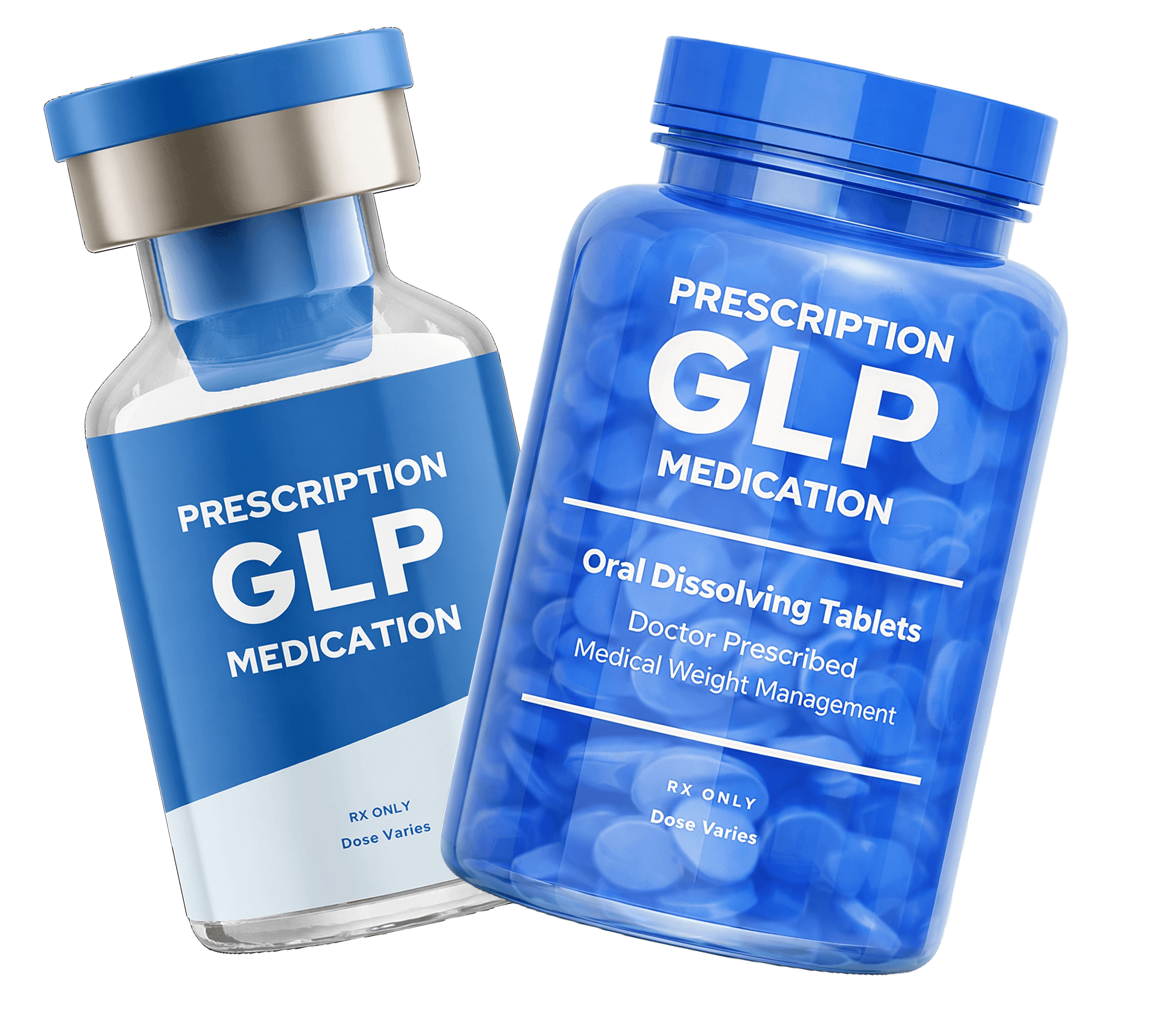
Not a diet. Not a gym plan.
Medical science. Finally in India.
Available in both Weekly Injection & Daily Tablets
Lose 15-17% of body weight — clinically proven*
Unlimited 24/7 support included
No hidden fees! Everything you need is included
Start for just Rs. 4999 + free delivery
Takes 5 minutes. No commitment required.