Generic semaglutide in India — everything that changed in 2026
By the ZIVOLABS Medical Team · Updated April 2026 · 6 min read
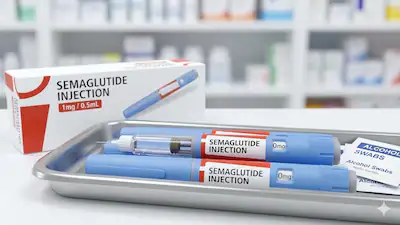
Two years ago, semaglutide in India meant one product: Ozempic, imported from Denmark at ₹20,000–₹30,000 per month, available through a handful of hospitals in major cities. For the vast majority of Indians who needed it, it was simply not an option.
2025 and 2026 changed that. Here is a clear account of what happened, why it matters, and what it means for patients today.
What changed: the arrival of DCGI-approved generics
Novo Nordisk, the Danish company that developed semaglutide, held patent protection that limited Indian manufacture of the molecule. As that exclusivity lapsed in the Indian market, Indian pharmaceutical companies were able to apply to the DCGI for approval to manufacture and sell their own semaglutide formulations.
Two companies received approval:
Alkem Laboratories launched Semasize — available in 0.25 mg, 0.5 mg, and 1 mg pre-filled pens. Alkem is one of India's top 10 pharmaceutical companies, with manufacturing facilities certified for export to the US and European markets.
Natco Pharma launched Semanat — available at the same doses. Natco has a well-established reputation for producing complex generic molecules.
Both products required DCGI approval, which involved demonstrating bioequivalence to the reference product (Ozempic), meeting Indian GMP manufacturing standards, and submitting stability data showing the product maintains quality throughout its shelf life.
What it meant for price
The price change was dramatic:
Product | Monthly cost (approx.) |
|---|---|
Ozempic (Novo Nordisk, imported) | ₹18,000–₹30,000 |
Semasize / Semanat (Indian generic) | ₹4,500–₹8,000 (medication alone) |
ZIVOLABS all-inclusive program | ₹4,999 |
For a patient who needs semaglutide for 12 months, the difference between Ozempic and the Indian generic through ZIVOLABS is approximately ₹1.5–2.5 lakh. That is a transformative change in access — from a medication affordable only to the top income percentiles to one accessible to the Indian middle class.
What it meant for access
The geographic impact is as significant as the price impact. Before generic semaglutide, accessing Ozempic required a private specialist in a major city, knowledge of which hospitals stocked it, and budget that most Indians do not have. With DCGI-approved generics available through compliant telemedicine platforms like ZIVOLABS, a patient in Nagpur, Surat, Coimbatore, or any Indian city with internet access can receive a valid prescription and cold-chain delivery of their medication.
The combination of the Telemedicine Practice Guidelines (2020) and the availability of affordable generic semaglutide has opened a treatment pathway that simply did not exist for most Indian patients before 2025.
What it did not change
Semaglutide is still a Schedule H prescription drug. Generic availability does not mean over-the-counter availability. A prescription from an NMC-registered doctor is still legally required. Any source offering semaglutide without a prescription is operating illegally.
The risk of unregulated products has not gone away. The increased awareness of semaglutide in India has generated a parallel market of compounded, unapproved, and grey-market products sold through WhatsApp, Instagram, and unregistered websites. These are not the DCGI-approved generics described above. They carry genuine safety risks and should be avoided.
Ozempic is still available — for patients who specifically want the branded product through hospital channels — at its original price premium. But there is no clinical reason to choose it over a DCGI-approved Indian generic.
What comes next
The availability of generic semaglutide is likely to improve further over the next 2–3 years as more manufacturers potentially enter the market and manufacturing volumes increase. The Indian pharmaceutical industry's trajectory with other complex generics — statins, antidiabetics, oncology drugs — suggests that prices may continue declining.
Tirzepatide, a dual GLP-1 and GIP receptor agonist that shows even greater weight loss than semaglutide in trials, is available in India in limited capacity as of 2026. Generic versions may follow in the years ahead.
For Indian patients in 2026, the most important development has already happened: effective, safe, affordable GLP-1 treatment is accessible. The question is no longer whether it is available. It is whether you will take the step to find out if you qualify.
[Check your eligibility for GLP-1 treatment →]
This article is for informational purposes only. Prices and availability are approximate and subject to change. Always consult a qualified doctor before starting any treatment.
Join India's weight loss revolution
See a specialist online. Get prescribed. Receive at your door.
Not a diet. Not a gym plan.
Medical science. Finally in India.
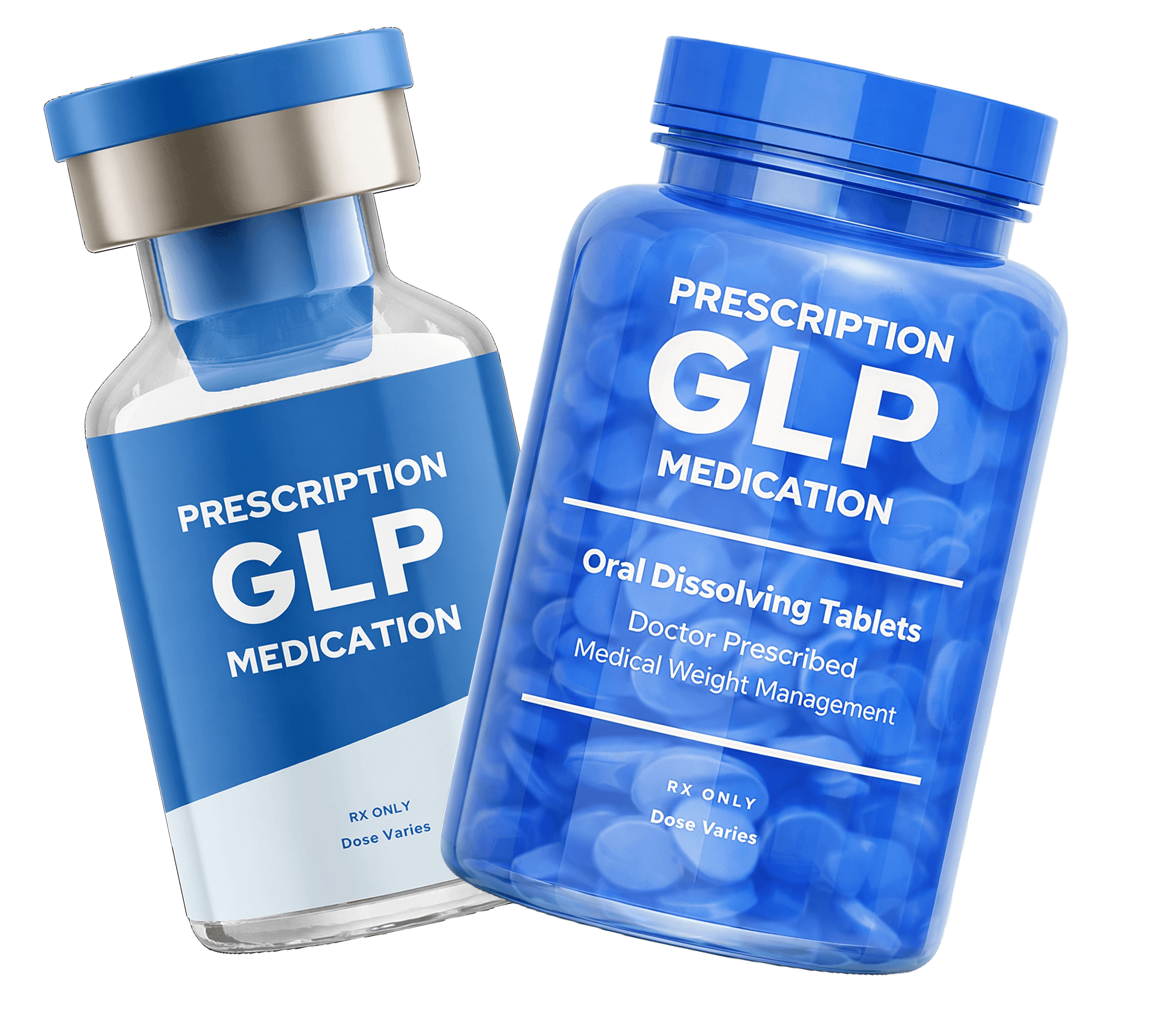
Available in both Weekly Injection & Daily Tablets
Lose 15-17% of body weight — clinically proven*
Unlimited 24/7 support included
No hidden fees! Everything you need is included
Start for just Rs. 4999 + free delivery
Takes 5 minutes. No commitment required.