Things worth knowing — before, during, after.
Short, plain-language guides on GLP-1 therapy and metabolic health, written and reviewed by ZIVOLABS doctors. No clickbait. No miracle promises.
Browse the full article libraryPage 40
Showing 469–480 of 1000%22%2F%3E%3Cstop%20offset%3D%221%22%20stop-color%3D%22hsl(247%2062%25%2040%25)%22%2F%3E%3C%2FlinearGradient%3E%3C%2Fdefs%3E%3Crect%20width%3D%221600%22%20height%3D%22900%22%20fill%3D%22url(%23g)%22%2F%3E%3Ccircle%20cx%3D%221360%22%20cy%3D%22170%22%20r%3D%22360%22%20fill%3D%22%23ffffff%22%20opacity%3D%220.06%22%2F%3E%3Ccircle%20cx%3D%221500%22%20cy%3D%22770%22%20r%3D%22230%22%20fill%3D%22%23ffffff%22%20opacity%3D%220.05%22%2F%3E%3Crect%20x%3D%2290%22%20y%3D%22176%22%20width%3D%2264%22%20height%3D%226%22%20rx%3D%223%22%20fill%3D%22%23ffffff%22%20opacity%3D%220.85%22%2F%3E%3Ctext%20x%3D%2290%22%20y%3D%22150%22%20fill%3D%22%23ffffff%22%20opacity%3D%220.85%22%20font-family%3D%22Arial%2CHelvetica%2Csans-serif%22%20font-size%3D%2234%22%20font-weight%3D%22700%22%20letter-spacing%3D%224%22%3EMEDICATION%20%26amp%3B%20SAFETY%3C%2Ftext%3E%3Ctext%20fill%3D%22%23ffffff%22%20font-family%3D%22Arial%2CHelvetica%2Csans-serif%22%20font-size%3D%2274%22%20font-weight%3D%22800%22%20letter-spacing%3D%22-1%22%3E%3Ctspan%20x%3D%2290%22%20y%3D%22378%22%3ECan%20I%20take%20Mounjaro%20with%3C%2Ftspan%3E%3Ctspan%20x%3D%2290%22%20y%3D%22470%22%3Evitamin%20D%20or%20calcium%3C%2Ftspan%3E%3Ctspan%20x%3D%2290%22%20y%3D%22562%22%3Esupplements%3F%3C%2Ftspan%3E%3C%2Ftext%3E%3Ctext%20x%3D%2290%22%20y%3D%22822%22%20fill%3D%22%23ffffff%22%20opacity%3D%220.92%22%20font-family%3D%22Arial%2CHelvetica%2Csans-serif%22%20font-size%3D%2240%22%20font-weight%3D%22800%22%20letter-spacing%3D%221%22%3EZIVOLABS%3C%2Ftext%3E%3C%2Fsvg%3E)
Can I take Mounjaro with vitamin D or calcium supplements?
Yes — these are safe with GLP-1 and often recommended, since reduced food intake can leave gaps.
%22%2F%3E%3Cstop%20offset%3D%221%22%20stop-color%3D%22hsl(229%2062%25%2040%25)%22%2F%3E%3C%2FlinearGradient%3E%3C%2Fdefs%3E%3Crect%20width%3D%221600%22%20height%3D%22900%22%20fill%3D%22url(%23g)%22%2F%3E%3Ccircle%20cx%3D%221360%22%20cy%3D%22170%22%20r%3D%22360%22%20fill%3D%22%23ffffff%22%20opacity%3D%220.06%22%2F%3E%3Ccircle%20cx%3D%221500%22%20cy%3D%22770%22%20r%3D%22230%22%20fill%3D%22%23ffffff%22%20opacity%3D%220.05%22%2F%3E%3Crect%20x%3D%2290%22%20y%3D%22176%22%20width%3D%2264%22%20height%3D%226%22%20rx%3D%223%22%20fill%3D%22%23ffffff%22%20opacity%3D%220.85%22%2F%3E%3Ctext%20x%3D%2290%22%20y%3D%22150%22%20fill%3D%22%23ffffff%22%20opacity%3D%220.85%22%20font-family%3D%22Arial%2CHelvetica%2Csans-serif%22%20font-size%3D%2234%22%20font-weight%3D%22700%22%20letter-spacing%3D%224%22%3EMEDICATION%20%26amp%3B%20SAFETY%3C%2Ftext%3E%3Ctext%20fill%3D%22%23ffffff%22%20font-family%3D%22Arial%2CHelvetica%2Csans-serif%22%20font-size%3D%2274%22%20font-weight%3D%22800%22%20letter-spacing%3D%22-1%22%3E%3Ctspan%20x%3D%2290%22%20y%3D%22424%22%3ECan%20I%20take%20Saxenda%20with%3C%2Ftspan%3E%3Ctspan%20x%3D%2290%22%20y%3D%22516%22%3Esteroids%20(prednisolone)%3F%3C%2Ftspan%3E%3C%2Ftext%3E%3Ctext%20x%3D%2290%22%20y%3D%22822%22%20fill%3D%22%23ffffff%22%20opacity%3D%220.92%22%20font-family%3D%22Arial%2CHelvetica%2Csans-serif%22%20font-size%3D%2240%22%20font-weight%3D%22800%22%20letter-spacing%3D%221%22%3EZIVOLABS%3C%2Ftext%3E%3C%2Fsvg%3E)
Can I take Saxenda with steroids (prednisolone)?
Yes, but expect your blood sugar to behave differently. Steroids raise blood sugar and appetite, which works against what the GLP-1 is doing.
%22%2F%3E%3Cstop%20offset%3D%221%22%20stop-color%3D%22hsl(229%2062%25%2040%25)%22%2F%3E%3C%2FlinearGradient%3E%3C%2Fdefs%3E%3Crect%20width%3D%221600%22%20height%3D%22900%22%20fill%3D%22url(%23g)%22%2F%3E%3Ccircle%20cx%3D%221360%22%20cy%3D%22170%22%20r%3D%22360%22%20fill%3D%22%23ffffff%22%20opacity%3D%220.06%22%2F%3E%3Ccircle%20cx%3D%221500%22%20cy%3D%22770%22%20r%3D%22230%22%20fill%3D%22%23ffffff%22%20opacity%3D%220.05%22%2F%3E%3Crect%20x%3D%2290%22%20y%3D%22176%22%20width%3D%2264%22%20height%3D%226%22%20rx%3D%223%22%20fill%3D%22%23ffffff%22%20opacity%3D%220.85%22%2F%3E%3Ctext%20x%3D%2290%22%20y%3D%22150%22%20fill%3D%22%23ffffff%22%20opacity%3D%220.85%22%20font-family%3D%22Arial%2CHelvetica%2Csans-serif%22%20font-size%3D%2234%22%20font-weight%3D%22700%22%20letter-spacing%3D%224%22%3EMEDICATION%20%26amp%3B%20SAFETY%3C%2Ftext%3E%3Ctext%20fill%3D%22%23ffffff%22%20font-family%3D%22Arial%2CHelvetica%2Csans-serif%22%20font-size%3D%2274%22%20font-weight%3D%22800%22%20letter-spacing%3D%22-1%22%3E%3Ctspan%20x%3D%2290%22%20y%3D%22424%22%3ECan%20I%20take%20Wegovy%20with%3C%2Ftspan%3E%3Ctspan%20x%3D%2290%22%20y%3D%22516%22%3Eantidepressants%20(SSRIs)%3F%3C%2Ftspan%3E%3C%2Ftext%3E%3Ctext%20x%3D%2290%22%20y%3D%22822%22%20fill%3D%22%23ffffff%22%20opacity%3D%220.92%22%20font-family%3D%22Arial%2CHelvetica%2Csans-serif%22%20font-size%3D%2240%22%20font-weight%3D%22800%22%20letter-spacing%3D%221%22%3EZIVOLABS%3C%2Ftext%3E%3C%2Fsvg%3E)
Can I take Wegovy with antidepressants (SSRIs)?
Usually yes. Most antidepressants are taken safely alongside GLP-1 medicines.
%22%2F%3E%3Cstop%20offset%3D%221%22%20stop-color%3D%22hsl(238%2062%25%2040%25)%22%2F%3E%3C%2FlinearGradient%3E%3C%2Fdefs%3E%3Crect%20width%3D%221600%22%20height%3D%22900%22%20fill%3D%22url(%23g)%22%2F%3E%3Ccircle%20cx%3D%221360%22%20cy%3D%22170%22%20r%3D%22360%22%20fill%3D%22%23ffffff%22%20opacity%3D%220.06%22%2F%3E%3Ccircle%20cx%3D%221500%22%20cy%3D%22770%22%20r%3D%22230%22%20fill%3D%22%23ffffff%22%20opacity%3D%220.05%22%2F%3E%3Crect%20x%3D%2290%22%20y%3D%22176%22%20width%3D%2264%22%20height%3D%226%22%20rx%3D%223%22%20fill%3D%22%23ffffff%22%20opacity%3D%220.85%22%2F%3E%3Ctext%20x%3D%2290%22%20y%3D%22150%22%20fill%3D%22%23ffffff%22%20opacity%3D%220.85%22%20font-family%3D%22Arial%2CHelvetica%2Csans-serif%22%20font-size%3D%2234%22%20font-weight%3D%22700%22%20letter-spacing%3D%224%22%3EMEDICATION%20%26amp%3B%20SAFETY%3C%2Ftext%3E%3Ctext%20fill%3D%22%23ffffff%22%20font-family%3D%22Arial%2CHelvetica%2Csans-serif%22%20font-size%3D%2274%22%20font-weight%3D%22800%22%20letter-spacing%3D%22-1%22%3E%3Ctspan%20x%3D%2290%22%20y%3D%22332%22%3ECan%20I%20take%20Rybelsus%20with%3C%2Ftspan%3E%3Ctspan%20x%3D%2290%22%20y%3D%22424%22%3EDPP-4%20inhibitors%3C%2Ftspan%3E%3Ctspan%20x%3D%2290%22%20y%3D%22516%22%3E(sitagliptin%20%2F%3C%2Ftspan%3E%3Ctspan%20x%3D%2290%22%20y%3D%22608%22%3Evildagliptin)%3F%3C%2Ftspan%3E%3C%2Ftext%3E%3Ctext%20x%3D%2290%22%20y%3D%22822%22%20fill%3D%22%23ffffff%22%20opacity%3D%220.92%22%20font-family%3D%22Arial%2CHelvetica%2Csans-serif%22%20font-size%3D%2240%22%20font-weight%3D%22800%22%20letter-spacing%3D%221%22%3EZIVOLABS%3C%2Ftext%3E%3C%2Fsvg%3E)
Can I take Rybelsus with DPP-4 inhibitors (sitagliptin / vildagliptin)?
No — these are usually stopped when you start a GLP-1. They act on the same hormone pathway, so taking both adds cost without adding benefit.
%22%2F%3E%3Cstop%20offset%3D%221%22%20stop-color%3D%22hsl(237%2062%25%2040%25)%22%2F%3E%3C%2FlinearGradient%3E%3C%2Fdefs%3E%3Crect%20width%3D%221600%22%20height%3D%22900%22%20fill%3D%22url(%23g)%22%2F%3E%3Ccircle%20cx%3D%221360%22%20cy%3D%22170%22%20r%3D%22360%22%20fill%3D%22%23ffffff%22%20opacity%3D%220.06%22%2F%3E%3Ccircle%20cx%3D%221500%22%20cy%3D%22770%22%20r%3D%22230%22%20fill%3D%22%23ffffff%22%20opacity%3D%220.05%22%2F%3E%3Crect%20x%3D%2290%22%20y%3D%22176%22%20width%3D%2264%22%20height%3D%226%22%20rx%3D%223%22%20fill%3D%22%23ffffff%22%20opacity%3D%220.85%22%2F%3E%3Ctext%20x%3D%2290%22%20y%3D%22150%22%20fill%3D%22%23ffffff%22%20opacity%3D%220.85%22%20font-family%3D%22Arial%2CHelvetica%2Csans-serif%22%20font-size%3D%2234%22%20font-weight%3D%22700%22%20letter-spacing%3D%224%22%3EMEDICATION%20%26amp%3B%20SAFETY%3C%2Ftext%3E%3Ctext%20fill%3D%22%23ffffff%22%20font-family%3D%22Arial%2CHelvetica%2Csans-serif%22%20font-size%3D%2274%22%20font-weight%3D%22800%22%20letter-spacing%3D%22-1%22%3E%3Ctspan%20x%3D%2290%22%20y%3D%22332%22%3ECan%20I%20take%20Saxenda%20with%3C%2Ftspan%3E%3Ctspan%20x%3D%2290%22%20y%3D%22424%22%3Ea%20SGLT2%20inhibitor%3C%2Ftspan%3E%3Ctspan%20x%3D%2290%22%20y%3D%22516%22%3E(empagliflozin%20%2F%3C%2Ftspan%3E%3Ctspan%20x%3D%2290%22%20y%3D%22608%22%3Edapagliflozin)%3F%3C%2Ftspan%3E%3C%2Ftext%3E%3Ctext%20x%3D%2290%22%20y%3D%22822%22%20fill%3D%22%23ffffff%22%20opacity%3D%220.92%22%20font-family%3D%22Arial%2CHelvetica%2Csans-serif%22%20font-size%3D%2240%22%20font-weight%3D%22800%22%20letter-spacing%3D%221%22%3EZIVOLABS%3C%2Ftext%3E%3C%2Fsvg%3E)
Can I take Saxenda with a SGLT2 inhibitor (empagliflozin / dapagliflozin)?
Yes — this is a powerful, increasingly common diabetes combination with strong heart and kidney benefits.
%22%2F%3E%3Cstop%20offset%3D%221%22%20stop-color%3D%22hsl(244%2062%25%2040%25)%22%2F%3E%3C%2FlinearGradient%3E%3C%2Fdefs%3E%3Crect%20width%3D%221600%22%20height%3D%22900%22%20fill%3D%22url(%23g)%22%2F%3E%3Ccircle%20cx%3D%221360%22%20cy%3D%22170%22%20r%3D%22360%22%20fill%3D%22%23ffffff%22%20opacity%3D%220.06%22%2F%3E%3Ccircle%20cx%3D%221500%22%20cy%3D%22770%22%20r%3D%22230%22%20fill%3D%22%23ffffff%22%20opacity%3D%220.05%22%2F%3E%3Crect%20x%3D%2290%22%20y%3D%22176%22%20width%3D%2264%22%20height%3D%226%22%20rx%3D%223%22%20fill%3D%22%23ffffff%22%20opacity%3D%220.85%22%2F%3E%3Ctext%20x%3D%2290%22%20y%3D%22150%22%20fill%3D%22%23ffffff%22%20opacity%3D%220.85%22%20font-family%3D%22Arial%2CHelvetica%2Csans-serif%22%20font-size%3D%2234%22%20font-weight%3D%22700%22%20letter-spacing%3D%224%22%3EMEDICATION%20%26amp%3B%20SAFETY%3C%2Ftext%3E%3Ctext%20fill%3D%22%23ffffff%22%20font-family%3D%22Arial%2CHelvetica%2Csans-serif%22%20font-size%3D%2274%22%20font-weight%3D%22800%22%20letter-spacing%3D%22-1%22%3E%3Ctspan%20x%3D%2290%22%20y%3D%22378%22%3ECan%20I%20take%20Wegovy%20with%3C%2Ftspan%3E%3Ctspan%20x%3D%2290%22%20y%3D%22470%22%3Eayurvedic%20or%20herbal%3C%2Ftspan%3E%3Ctspan%20x%3D%2290%22%20y%3D%22562%22%3Esupplements%3F%3C%2Ftspan%3E%3C%2Ftext%3E%3Ctext%20x%3D%2290%22%20y%3D%22822%22%20fill%3D%22%23ffffff%22%20opacity%3D%220.92%22%20font-family%3D%22Arial%2CHelvetica%2Csans-serif%22%20font-size%3D%2240%22%20font-weight%3D%22800%22%20letter-spacing%3D%221%22%3EZIVOLABS%3C%2Ftext%3E%3C%2Fsvg%3E)
Can I take Wegovy with ayurvedic or herbal supplements?
Sometimes — and it depends entirely on the ingredient. Many herbal products are unlabelled mixtures, and some affect blood sugar or the gut.
%22%2F%3E%3Cstop%20offset%3D%221%22%20stop-color%3D%22hsl(247%2062%25%2040%25)%22%2F%3E%3C%2FlinearGradient%3E%3C%2Fdefs%3E%3Crect%20width%3D%221600%22%20height%3D%22900%22%20fill%3D%22url(%23g)%22%2F%3E%3Ccircle%20cx%3D%221360%22%20cy%3D%22170%22%20r%3D%22360%22%20fill%3D%22%23ffffff%22%20opacity%3D%220.06%22%2F%3E%3Ccircle%20cx%3D%221500%22%20cy%3D%22770%22%20r%3D%22230%22%20fill%3D%22%23ffffff%22%20opacity%3D%220.05%22%2F%3E%3Crect%20x%3D%2290%22%20y%3D%22176%22%20width%3D%2264%22%20height%3D%226%22%20rx%3D%223%22%20fill%3D%22%23ffffff%22%20opacity%3D%220.85%22%2F%3E%3Ctext%20x%3D%2290%22%20y%3D%22150%22%20fill%3D%22%23ffffff%22%20opacity%3D%220.85%22%20font-family%3D%22Arial%2CHelvetica%2Csans-serif%22%20font-size%3D%2234%22%20font-weight%3D%22700%22%20letter-spacing%3D%224%22%3EMEDICATION%20%26amp%3B%20SAFETY%3C%2Ftext%3E%3Ctext%20fill%3D%22%23ffffff%22%20font-family%3D%22Arial%2CHelvetica%2Csans-serif%22%20font-size%3D%2274%22%20font-weight%3D%22800%22%20letter-spacing%3D%22-1%22%3E%3Ctspan%20x%3D%2290%22%20y%3D%22378%22%3ECan%20I%20take%20Trulicity%3C%2Ftspan%3E%3Ctspan%20x%3D%2290%22%20y%3D%22470%22%3Ewith%20blood%20thinners%3C%2Ftspan%3E%3Ctspan%20x%3D%2290%22%20y%3D%22562%22%3E(warfarin)%3F%3C%2Ftspan%3E%3C%2Ftext%3E%3Ctext%20x%3D%2290%22%20y%3D%22822%22%20fill%3D%22%23ffffff%22%20opacity%3D%220.92%22%20font-family%3D%22Arial%2CHelvetica%2Csans-serif%22%20font-size%3D%2240%22%20font-weight%3D%22800%22%20letter-spacing%3D%221%22%3EZIVOLABS%3C%2Ftext%3E%3C%2Fsvg%3E)
Can I take Trulicity with blood thinners (warfarin)?
Yes, but your monitoring may need tightening. There is no major direct interaction, but big changes in appetite and food intake can shift how warfarin behaves.
%22%2F%3E%3Cstop%20offset%3D%221%22%20stop-color%3D%22hsl(244%2062%25%2040%25)%22%2F%3E%3C%2FlinearGradient%3E%3C%2Fdefs%3E%3Crect%20width%3D%221600%22%20height%3D%22900%22%20fill%3D%22url(%23g)%22%2F%3E%3Ccircle%20cx%3D%221360%22%20cy%3D%22170%22%20r%3D%22360%22%20fill%3D%22%23ffffff%22%20opacity%3D%220.06%22%2F%3E%3Ccircle%20cx%3D%221500%22%20cy%3D%22770%22%20r%3D%22230%22%20fill%3D%22%23ffffff%22%20opacity%3D%220.05%22%2F%3E%3Crect%20x%3D%2290%22%20y%3D%22176%22%20width%3D%2264%22%20height%3D%226%22%20rx%3D%223%22%20fill%3D%22%23ffffff%22%20opacity%3D%220.85%22%2F%3E%3Ctext%20x%3D%2290%22%20y%3D%22150%22%20fill%3D%22%23ffffff%22%20opacity%3D%220.85%22%20font-family%3D%22Arial%2CHelvetica%2Csans-serif%22%20font-size%3D%2234%22%20font-weight%3D%22700%22%20letter-spacing%3D%224%22%3EMEDICATION%20%26amp%3B%20SAFETY%3C%2Ftext%3E%3Ctext%20fill%3D%22%23ffffff%22%20font-family%3D%22Arial%2CHelvetica%2Csans-serif%22%20font-size%3D%2274%22%20font-weight%3D%22800%22%20letter-spacing%3D%22-1%22%3E%3Ctspan%20x%3D%2290%22%20y%3D%22332%22%3ECan%20I%20take%20Saxenda%20with%3C%2Ftspan%3E%3Ctspan%20x%3D%2290%22%20y%3D%22424%22%3Eantacids%20%2F%20PPIs%3C%2Ftspan%3E%3Ctspan%20x%3D%2290%22%20y%3D%22516%22%3E(pantoprazole%2C%3C%2Ftspan%3E%3Ctspan%20x%3D%2290%22%20y%3D%22608%22%3Eomeprazole)%3F%3C%2Ftspan%3E%3C%2Ftext%3E%3Ctext%20x%3D%2290%22%20y%3D%22822%22%20fill%3D%22%23ffffff%22%20opacity%3D%220.92%22%20font-family%3D%22Arial%2CHelvetica%2Csans-serif%22%20font-size%3D%2240%22%20font-weight%3D%22800%22%20letter-spacing%3D%221%22%3EZIVOLABS%3C%2Ftext%3E%3C%2Fsvg%3E)
Can I take Saxenda with antacids / PPIs (pantoprazole, omeprazole)?
Yes. Antacids and acid-reducers are commonly combined with GLP-1 and are often used to manage GLP-1-related reflux.
%22%2F%3E%3Cstop%20offset%3D%221%22%20stop-color%3D%22hsl(245%2062%25%2040%25)%22%2F%3E%3C%2FlinearGradient%3E%3C%2Fdefs%3E%3Crect%20width%3D%221600%22%20height%3D%22900%22%20fill%3D%22url(%23g)%22%2F%3E%3Ccircle%20cx%3D%221360%22%20cy%3D%22170%22%20r%3D%22360%22%20fill%3D%22%23ffffff%22%20opacity%3D%220.06%22%2F%3E%3Ccircle%20cx%3D%221500%22%20cy%3D%22770%22%20r%3D%22230%22%20fill%3D%22%23ffffff%22%20opacity%3D%220.05%22%2F%3E%3Crect%20x%3D%2290%22%20y%3D%22176%22%20width%3D%2264%22%20height%3D%226%22%20rx%3D%223%22%20fill%3D%22%23ffffff%22%20opacity%3D%220.85%22%2F%3E%3Ctext%20x%3D%2290%22%20y%3D%22150%22%20fill%3D%22%23ffffff%22%20opacity%3D%220.85%22%20font-family%3D%22Arial%2CHelvetica%2Csans-serif%22%20font-size%3D%2234%22%20font-weight%3D%22700%22%20letter-spacing%3D%224%22%3EMEDICATION%20%26amp%3B%20SAFETY%3C%2Ftext%3E%3Ctext%20fill%3D%22%23ffffff%22%20font-family%3D%22Arial%2CHelvetica%2Csans-serif%22%20font-size%3D%2274%22%20font-weight%3D%22800%22%20letter-spacing%3D%22-1%22%3E%3Ctspan%20x%3D%2290%22%20y%3D%22424%22%3ECan%20I%20take%20Wegovy%20with%3C%2Ftspan%3E%3Ctspan%20x%3D%2290%22%20y%3D%22516%22%3Eantibiotics%3F%3C%2Ftspan%3E%3C%2Ftext%3E%3Ctext%20x%3D%2290%22%20y%3D%22822%22%20fill%3D%22%23ffffff%22%20opacity%3D%220.92%22%20font-family%3D%22Arial%2CHelvetica%2Csans-serif%22%20font-size%3D%2240%22%20font-weight%3D%22800%22%20letter-spacing%3D%221%22%3EZIVOLABS%3C%2Ftext%3E%3C%2Fsvg%3E)
Can I take Wegovy with antibiotics?
Usually yes — most common antibiotics have no specific interaction with GLP-1 medicines.
%22%2F%3E%3Cstop%20offset%3D%221%22%20stop-color%3D%22hsl(247%2062%25%2040%25)%22%2F%3E%3C%2FlinearGradient%3E%3C%2Fdefs%3E%3Crect%20width%3D%221600%22%20height%3D%22900%22%20fill%3D%22url(%23g)%22%2F%3E%3Ccircle%20cx%3D%221360%22%20cy%3D%22170%22%20r%3D%22360%22%20fill%3D%22%23ffffff%22%20opacity%3D%220.06%22%2F%3E%3Ccircle%20cx%3D%221500%22%20cy%3D%22770%22%20r%3D%22230%22%20fill%3D%22%23ffffff%22%20opacity%3D%220.05%22%2F%3E%3Crect%20x%3D%2290%22%20y%3D%22176%22%20width%3D%2264%22%20height%3D%226%22%20rx%3D%223%22%20fill%3D%22%23ffffff%22%20opacity%3D%220.85%22%2F%3E%3Ctext%20x%3D%2290%22%20y%3D%22150%22%20fill%3D%22%23ffffff%22%20opacity%3D%220.85%22%20font-family%3D%22Arial%2CHelvetica%2Csans-serif%22%20font-size%3D%2234%22%20font-weight%3D%22700%22%20letter-spacing%3D%224%22%3EMEDICATION%20%26amp%3B%20SAFETY%3C%2Ftext%3E%3Ctext%20fill%3D%22%23ffffff%22%20font-family%3D%22Arial%2CHelvetica%2Csans-serif%22%20font-size%3D%2274%22%20font-weight%3D%22800%22%20letter-spacing%3D%22-1%22%3E%3Ctspan%20x%3D%2290%22%20y%3D%22378%22%3ECan%20I%20take%20Wegovy%20with%3C%2Ftspan%3E%3Ctspan%20x%3D%2290%22%20y%3D%22470%22%3Eibuprofen%20or%20other%3C%2Ftspan%3E%3Ctspan%20x%3D%2290%22%20y%3D%22562%22%3Epainkillers%20(NSAIDs)%3F%3C%2Ftspan%3E%3C%2Ftext%3E%3Ctext%20x%3D%2290%22%20y%3D%22822%22%20fill%3D%22%23ffffff%22%20opacity%3D%220.92%22%20font-family%3D%22Arial%2CHelvetica%2Csans-serif%22%20font-size%3D%2240%22%20font-weight%3D%22800%22%20letter-spacing%3D%221%22%3EZIVOLABS%3C%2Ftext%3E%3C%2Fsvg%3E)
Can I take Wegovy with ibuprofen or other painkillers (NSAIDs)?
Generally yes for short-term use, but be a little cautious. NSAIDs can irritate the stomach and stress the kidneys, and GLP-1 side effects (vomiting, dehydration) can add to kidney strain.
%22%2F%3E%3Cstop%20offset%3D%221%22%20stop-color%3D%22hsl(237%2062%25%2040%25)%22%2F%3E%3C%2FlinearGradient%3E%3C%2Fdefs%3E%3Crect%20width%3D%221600%22%20height%3D%22900%22%20fill%3D%22url(%23g)%22%2F%3E%3Ccircle%20cx%3D%221360%22%20cy%3D%22170%22%20r%3D%22360%22%20fill%3D%22%23ffffff%22%20opacity%3D%220.06%22%2F%3E%3Ccircle%20cx%3D%221500%22%20cy%3D%22770%22%20r%3D%22230%22%20fill%3D%22%23ffffff%22%20opacity%3D%220.05%22%2F%3E%3Crect%20x%3D%2290%22%20y%3D%22176%22%20width%3D%2264%22%20height%3D%226%22%20rx%3D%223%22%20fill%3D%22%23ffffff%22%20opacity%3D%220.85%22%2F%3E%3Ctext%20x%3D%2290%22%20y%3D%22150%22%20fill%3D%22%23ffffff%22%20opacity%3D%220.85%22%20font-family%3D%22Arial%2CHelvetica%2Csans-serif%22%20font-size%3D%2234%22%20font-weight%3D%22700%22%20letter-spacing%3D%224%22%3EMEDICATION%20%26amp%3B%20SAFETY%3C%2Ftext%3E%3Ctext%20fill%3D%22%23ffffff%22%20font-family%3D%22Arial%2CHelvetica%2Csans-serif%22%20font-size%3D%2274%22%20font-weight%3D%22800%22%20letter-spacing%3D%22-1%22%3E%3Ctspan%20x%3D%2290%22%20y%3D%22424%22%3ECan%20I%20take%20Mounjaro%20with%3C%2Ftspan%3E%3Ctspan%20x%3D%2290%22%20y%3D%22516%22%3Eparacetamol%3F%3C%2Ftspan%3E%3C%2Ftext%3E%3Ctext%20x%3D%2290%22%20y%3D%22822%22%20fill%3D%22%23ffffff%22%20opacity%3D%220.92%22%20font-family%3D%22Arial%2CHelvetica%2Csans-serif%22%20font-size%3D%2240%22%20font-weight%3D%22800%22%20letter-spacing%3D%221%22%3EZIVOLABS%3C%2Ftext%3E%3C%2Fsvg%3E)
Can I take Mounjaro with paracetamol?
Yes, paracetamol is safe to take as needed for a headache or fever while on a GLP-1.
%22%2F%3E%3Cstop%20offset%3D%221%22%20stop-color%3D%22hsl(233%2062%25%2040%25)%22%2F%3E%3C%2FlinearGradient%3E%3C%2Fdefs%3E%3Crect%20width%3D%221600%22%20height%3D%22900%22%20fill%3D%22url(%23g)%22%2F%3E%3Ccircle%20cx%3D%221360%22%20cy%3D%22170%22%20r%3D%22360%22%20fill%3D%22%23ffffff%22%20opacity%3D%220.06%22%2F%3E%3Ccircle%20cx%3D%221500%22%20cy%3D%22770%22%20r%3D%22230%22%20fill%3D%22%23ffffff%22%20opacity%3D%220.05%22%2F%3E%3Crect%20x%3D%2290%22%20y%3D%22176%22%20width%3D%2264%22%20height%3D%226%22%20rx%3D%223%22%20fill%3D%22%23ffffff%22%20opacity%3D%220.85%22%2F%3E%3Ctext%20x%3D%2290%22%20y%3D%22150%22%20fill%3D%22%23ffffff%22%20opacity%3D%220.85%22%20font-family%3D%22Arial%2CHelvetica%2Csans-serif%22%20font-size%3D%2234%22%20font-weight%3D%22700%22%20letter-spacing%3D%224%22%3EMEDICATION%20%26amp%3B%20SAFETY%3C%2Ftext%3E%3Ctext%20fill%3D%22%23ffffff%22%20font-family%3D%22Arial%2CHelvetica%2Csans-serif%22%20font-size%3D%2274%22%20font-weight%3D%22800%22%20letter-spacing%3D%22-1%22%3E%3Ctspan%20x%3D%2290%22%20y%3D%22424%22%3ECan%20I%20take%20Wegovy%20with%3C%2Ftspan%3E%3Ctspan%20x%3D%2290%22%20y%3D%22516%22%3Ethe%20contraceptive%20pill%3F%3C%2Ftspan%3E%3C%2Ftext%3E%3Ctext%20x%3D%2290%22%20y%3D%22822%22%20fill%3D%22%23ffffff%22%20opacity%3D%220.92%22%20font-family%3D%22Arial%2CHelvetica%2Csans-serif%22%20font-size%3D%2240%22%20font-weight%3D%22800%22%20letter-spacing%3D%221%22%3EZIVOLABS%3C%2Ftext%3E%3C%2Fsvg%3E)
Can I take Wegovy with the contraceptive pill?
Yes, the pill keeps working — injectable GLP-1 doesn't reduce its effectiveness.
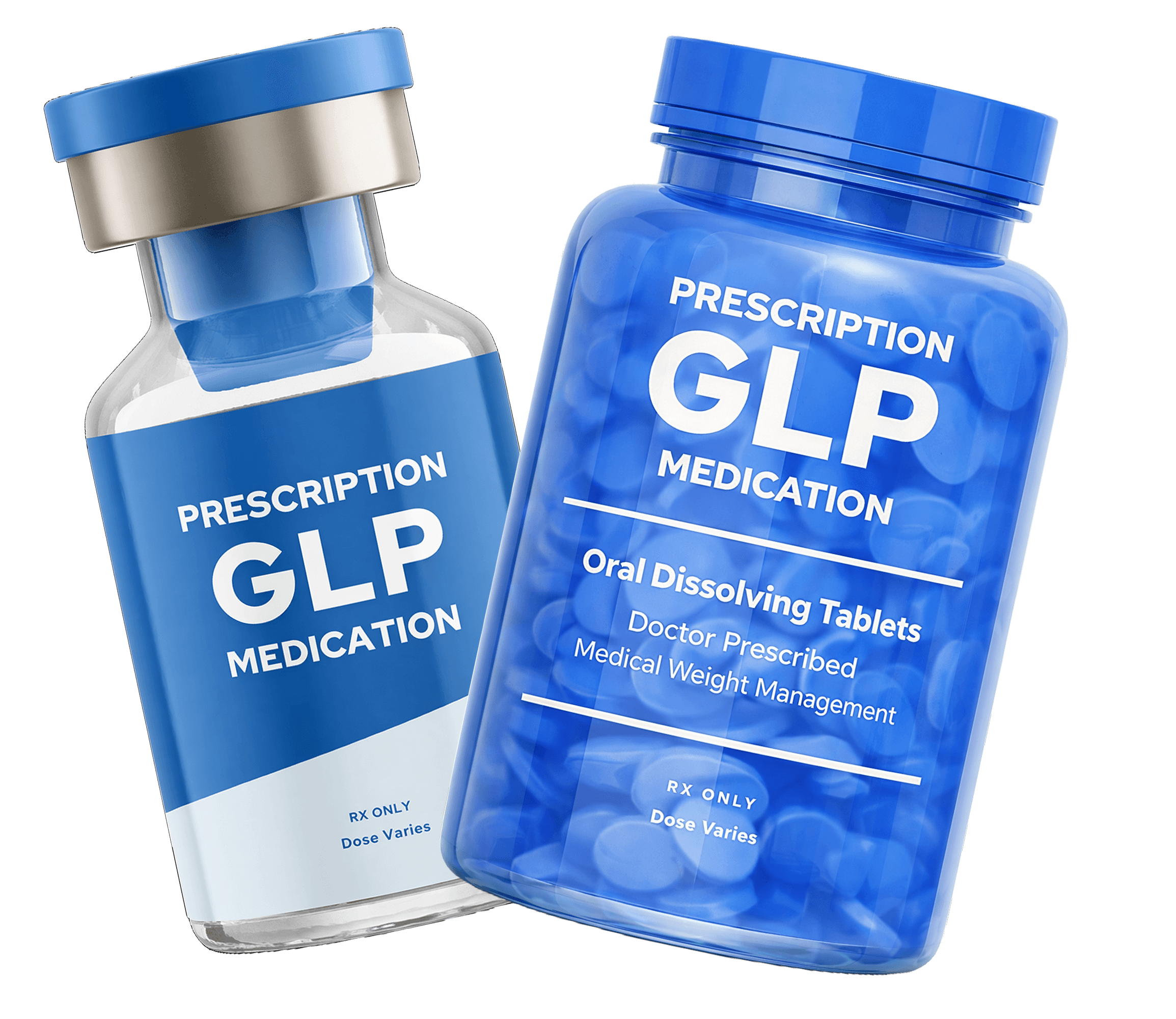
Not a diet. Not a gym plan.
Medical science. Finally in India.
- Available as weekly injection or daily tablets
- Around 15% average weight loss in major GLP‑1 trials — results vary*
- Unlimited 24/7 support from our care team
- Start with a ₹499 doctor consultation — refunded if you’re not eligible
- Medication & ongoing care quoted separately — price shown before you pay