Things worth knowing — before, during, after.
Short, plain-language guides on GLP-1 therapy and metabolic health, written and reviewed by ZIVOLABS doctors. No clickbait. No miracle promises.
Browse the full article libraryPage 38
Showing 445–456 of 1000%22%2F%3E%3Cstop%20offset%3D%221%22%20stop-color%3D%22hsl(240%2062%25%2040%25)%22%2F%3E%3C%2FlinearGradient%3E%3C%2Fdefs%3E%3Crect%20width%3D%221600%22%20height%3D%22900%22%20fill%3D%22url(%23g)%22%2F%3E%3Ccircle%20cx%3D%221360%22%20cy%3D%22170%22%20r%3D%22360%22%20fill%3D%22%23ffffff%22%20opacity%3D%220.06%22%2F%3E%3Ccircle%20cx%3D%221500%22%20cy%3D%22770%22%20r%3D%22230%22%20fill%3D%22%23ffffff%22%20opacity%3D%220.05%22%2F%3E%3Crect%20x%3D%2290%22%20y%3D%22176%22%20width%3D%2264%22%20height%3D%226%22%20rx%3D%223%22%20fill%3D%22%23ffffff%22%20opacity%3D%220.85%22%2F%3E%3Ctext%20x%3D%2290%22%20y%3D%22150%22%20fill%3D%22%23ffffff%22%20opacity%3D%220.85%22%20font-family%3D%22Arial%2CHelvetica%2Csans-serif%22%20font-size%3D%2234%22%20font-weight%3D%22700%22%20letter-spacing%3D%224%22%3EMEDICATION%20%26amp%3B%20SAFETY%3C%2Ftext%3E%3Ctext%20fill%3D%22%23ffffff%22%20font-family%3D%22Arial%2CHelvetica%2Csans-serif%22%20font-size%3D%2274%22%20font-weight%3D%22800%22%20letter-spacing%3D%22-1%22%3E%3Ctspan%20x%3D%2290%22%20y%3D%22378%22%3ECan%20I%20take%20vitamin%20B12%3C%2Ftspan%3E%3Ctspan%20x%3D%2290%22%20y%3D%22470%22%3Ewhile%20on%20Wegovy%20(or%20any%3C%2Ftspan%3E%3Ctspan%20x%3D%2290%22%20y%3D%22562%22%3EGLP-1)%3F%3C%2Ftspan%3E%3C%2Ftext%3E%3Ctext%20x%3D%2290%22%20y%3D%22822%22%20fill%3D%22%23ffffff%22%20opacity%3D%220.92%22%20font-family%3D%22Arial%2CHelvetica%2Csans-serif%22%20font-size%3D%2240%22%20font-weight%3D%22800%22%20letter-spacing%3D%221%22%3EZIVOLABS%3C%2Ftext%3E%3C%2Fsvg%3E)
Can I take vitamin B12 while on Wegovy (or any GLP-1)?
Yes — and many Indians are already borderline. Lower food intake on a GLP-1 can expose a B12 deficiency, so supplementing (or testing first) is wise, particularly for vegetarians.
%22%2F%3E%3Cstop%20offset%3D%221%22%20stop-color%3D%22hsl(231%2062%25%2040%25)%22%2F%3E%3C%2FlinearGradient%3E%3C%2Fdefs%3E%3Crect%20width%3D%221600%22%20height%3D%22900%22%20fill%3D%22url(%23g)%22%2F%3E%3Ccircle%20cx%3D%221360%22%20cy%3D%22170%22%20r%3D%22360%22%20fill%3D%22%23ffffff%22%20opacity%3D%220.06%22%2F%3E%3Ccircle%20cx%3D%221500%22%20cy%3D%22770%22%20r%3D%22230%22%20fill%3D%22%23ffffff%22%20opacity%3D%220.05%22%2F%3E%3Crect%20x%3D%2290%22%20y%3D%22176%22%20width%3D%2264%22%20height%3D%226%22%20rx%3D%223%22%20fill%3D%22%23ffffff%22%20opacity%3D%220.85%22%2F%3E%3Ctext%20x%3D%2290%22%20y%3D%22150%22%20fill%3D%22%23ffffff%22%20opacity%3D%220.85%22%20font-family%3D%22Arial%2CHelvetica%2Csans-serif%22%20font-size%3D%2234%22%20font-weight%3D%22700%22%20letter-spacing%3D%224%22%3EMEDICATION%20%26amp%3B%20SAFETY%3C%2Ftext%3E%3Ctext%20fill%3D%22%23ffffff%22%20font-family%3D%22Arial%2CHelvetica%2Csans-serif%22%20font-size%3D%2274%22%20font-weight%3D%22800%22%20letter-spacing%3D%22-1%22%3E%3Ctspan%20x%3D%2290%22%20y%3D%22332%22%3ECan%20I%20take%20a%3C%2Ftspan%3E%3Ctspan%20x%3D%2290%22%20y%3D%22424%22%3Emultivitamin%20while%20on%3C%2Ftspan%3E%3Ctspan%20x%3D%2290%22%20y%3D%22516%22%3ETrulicity%20(or%20any%3C%2Ftspan%3E%3Ctspan%20x%3D%2290%22%20y%3D%22608%22%3EGLP-1)%3F%3C%2Ftspan%3E%3C%2Ftext%3E%3Ctext%20x%3D%2290%22%20y%3D%22822%22%20fill%3D%22%23ffffff%22%20opacity%3D%220.92%22%20font-family%3D%22Arial%2CHelvetica%2Csans-serif%22%20font-size%3D%2240%22%20font-weight%3D%22800%22%20letter-spacing%3D%221%22%3EZIVOLABS%3C%2Ftext%3E%3C%2Fsvg%3E)
Can I take a multivitamin while on Trulicity (or any GLP-1)?
Yes, and it's sensible. Eating less means smaller intake of vitamins and minerals; a daily multivitamin covers the gaps, especially iron, B12 and vitamin D for Indian vegetarians.
%22%2F%3E%3Cstop%20offset%3D%221%22%20stop-color%3D%22hsl(241%2062%25%2040%25)%22%2F%3E%3C%2FlinearGradient%3E%3C%2Fdefs%3E%3Crect%20width%3D%221600%22%20height%3D%22900%22%20fill%3D%22url(%23g)%22%2F%3E%3Ccircle%20cx%3D%221360%22%20cy%3D%22170%22%20r%3D%22360%22%20fill%3D%22%23ffffff%22%20opacity%3D%220.06%22%2F%3E%3Ccircle%20cx%3D%221500%22%20cy%3D%22770%22%20r%3D%22230%22%20fill%3D%22%23ffffff%22%20opacity%3D%220.05%22%2F%3E%3Crect%20x%3D%2290%22%20y%3D%22176%22%20width%3D%2264%22%20height%3D%226%22%20rx%3D%223%22%20fill%3D%22%23ffffff%22%20opacity%3D%220.85%22%2F%3E%3Ctext%20x%3D%2290%22%20y%3D%22150%22%20fill%3D%22%23ffffff%22%20opacity%3D%220.85%22%20font-family%3D%22Arial%2CHelvetica%2Csans-serif%22%20font-size%3D%2234%22%20font-weight%3D%22700%22%20letter-spacing%3D%224%22%3EMEDICATION%20%26amp%3B%20SAFETY%3C%2Ftext%3E%3Ctext%20fill%3D%22%23ffffff%22%20font-family%3D%22Arial%2CHelvetica%2Csans-serif%22%20font-size%3D%2274%22%20font-weight%3D%22800%22%20letter-spacing%3D%22-1%22%3E%3Ctspan%20x%3D%2290%22%20y%3D%22378%22%3ECan%20I%20take%20creatine%3C%2Ftspan%3E%3Ctspan%20x%3D%2290%22%20y%3D%22470%22%3Ewhile%20on%20Wegovy%20(or%20any%3C%2Ftspan%3E%3Ctspan%20x%3D%2290%22%20y%3D%22562%22%3EGLP-1)%3F%3C%2Ftspan%3E%3C%2Ftext%3E%3Ctext%20x%3D%2290%22%20y%3D%22822%22%20fill%3D%22%23ffffff%22%20opacity%3D%220.92%22%20font-family%3D%22Arial%2CHelvetica%2Csans-serif%22%20font-size%3D%2240%22%20font-weight%3D%22800%22%20letter-spacing%3D%221%22%3EZIVOLABS%3C%2Ftext%3E%3C%2Fsvg%3E)
Can I take creatine while on Wegovy (or any GLP-1)?
Yes. Creatine is safe with GLP-1 and supports strength training, which matters because resistance work preserves muscle during weight loss. Stay well hydrated.
%22%2F%3E%3Cstop%20offset%3D%221%22%20stop-color%3D%22hsl(246%2062%25%2040%25)%22%2F%3E%3C%2FlinearGradient%3E%3C%2Fdefs%3E%3Crect%20width%3D%221600%22%20height%3D%22900%22%20fill%3D%22url(%23g)%22%2F%3E%3Ccircle%20cx%3D%221360%22%20cy%3D%22170%22%20r%3D%22360%22%20fill%3D%22%23ffffff%22%20opacity%3D%220.06%22%2F%3E%3Ccircle%20cx%3D%221500%22%20cy%3D%22770%22%20r%3D%22230%22%20fill%3D%22%23ffffff%22%20opacity%3D%220.05%22%2F%3E%3Crect%20x%3D%2290%22%20y%3D%22176%22%20width%3D%2264%22%20height%3D%226%22%20rx%3D%223%22%20fill%3D%22%23ffffff%22%20opacity%3D%220.85%22%2F%3E%3Ctext%20x%3D%2290%22%20y%3D%22150%22%20fill%3D%22%23ffffff%22%20opacity%3D%220.85%22%20font-family%3D%22Arial%2CHelvetica%2Csans-serif%22%20font-size%3D%2234%22%20font-weight%3D%22700%22%20letter-spacing%3D%224%22%3EMEDICATION%20%26amp%3B%20SAFETY%3C%2Ftext%3E%3Ctext%20fill%3D%22%23ffffff%22%20font-family%3D%22Arial%2CHelvetica%2Csans-serif%22%20font-size%3D%2274%22%20font-weight%3D%22800%22%20letter-spacing%3D%22-1%22%3E%3Ctspan%20x%3D%2290%22%20y%3D%22378%22%3ECan%20I%20take%20whey%20protein%3C%2Ftspan%3E%3Ctspan%20x%3D%2290%22%20y%3D%22470%22%3Ewhile%20on%20Saxenda%20(or%20any%3C%2Ftspan%3E%3Ctspan%20x%3D%2290%22%20y%3D%22562%22%3EGLP-1)%3F%3C%2Ftspan%3E%3C%2Ftext%3E%3Ctext%20x%3D%2290%22%20y%3D%22822%22%20fill%3D%22%23ffffff%22%20opacity%3D%220.92%22%20font-family%3D%22Arial%2CHelvetica%2Csans-serif%22%20font-size%3D%2240%22%20font-weight%3D%22800%22%20letter-spacing%3D%221%22%3EZIVOLABS%3C%2Ftext%3E%3C%2Fsvg%3E)
Can I take whey protein while on Saxenda (or any GLP-1)?
Yes, and it's one of the most useful supplements on a GLP-1. Reduced appetite makes it hard to eat enough protein, and protein is what protects your muscle while you lose fat.
%22%2F%3E%3Cstop%20offset%3D%221%22%20stop-color%3D%22hsl(159%2062%25%2040%25)%22%2F%3E%3C%2FlinearGradient%3E%3C%2Fdefs%3E%3Crect%20width%3D%221600%22%20height%3D%22900%22%20fill%3D%22url(%23g)%22%2F%3E%3Ccircle%20cx%3D%221360%22%20cy%3D%22170%22%20r%3D%22360%22%20fill%3D%22%23ffffff%22%20opacity%3D%220.06%22%2F%3E%3Ccircle%20cx%3D%221500%22%20cy%3D%22770%22%20r%3D%22230%22%20fill%3D%22%23ffffff%22%20opacity%3D%220.05%22%2F%3E%3Crect%20x%3D%2290%22%20y%3D%22176%22%20width%3D%2264%22%20height%3D%226%22%20rx%3D%223%22%20fill%3D%22%23ffffff%22%20opacity%3D%220.85%22%2F%3E%3Ctext%20x%3D%2290%22%20y%3D%22150%22%20fill%3D%22%23ffffff%22%20opacity%3D%220.85%22%20font-family%3D%22Arial%2CHelvetica%2Csans-serif%22%20font-size%3D%2234%22%20font-weight%3D%22700%22%20letter-spacing%3D%224%22%3EDIET%20%26amp%3B%20NUTRITION%3C%2Ftext%3E%3Ctext%20fill%3D%22%23ffffff%22%20font-family%3D%22Arial%2CHelvetica%2Csans-serif%22%20font-size%3D%2274%22%20font-weight%3D%22800%22%20letter-spacing%3D%22-1%22%3E%3Ctspan%20x%3D%2290%22%20y%3D%22378%22%3ECan%20I%20eat%20late-night%3C%2Ftspan%3E%3Ctspan%20x%3D%2290%22%20y%3D%22470%22%3Edinner%20on%20GLP-1%3C%2Ftspan%3E%3Ctspan%20x%3D%2290%22%20y%3D%22562%22%3Eweight-loss%20medication%3F%3C%2Ftspan%3E%3C%2Ftext%3E%3Ctext%20x%3D%2290%22%20y%3D%22822%22%20fill%3D%22%23ffffff%22%20opacity%3D%220.92%22%20font-family%3D%22Arial%2CHelvetica%2Csans-serif%22%20font-size%3D%2240%22%20font-weight%3D%22800%22%20letter-spacing%3D%221%22%3EZIVOLABS%3C%2Ftext%3E%3C%2Fsvg%3E)
Can I eat late-night dinner on GLP-1 weight-loss medication?
Better avoided. A late, heavy dinner plus slowed gastric emptying is the classic recipe for reflux and broken sleep on a GLP-1.
%22%2F%3E%3Cstop%20offset%3D%221%22%20stop-color%3D%22hsl(166%2062%25%2040%25)%22%2F%3E%3C%2FlinearGradient%3E%3C%2Fdefs%3E%3Crect%20width%3D%221600%22%20height%3D%22900%22%20fill%3D%22url(%23g)%22%2F%3E%3Ccircle%20cx%3D%221360%22%20cy%3D%22170%22%20r%3D%22360%22%20fill%3D%22%23ffffff%22%20opacity%3D%220.06%22%2F%3E%3Ccircle%20cx%3D%221500%22%20cy%3D%22770%22%20r%3D%22230%22%20fill%3D%22%23ffffff%22%20opacity%3D%220.05%22%2F%3E%3Crect%20x%3D%2290%22%20y%3D%22176%22%20width%3D%2264%22%20height%3D%226%22%20rx%3D%223%22%20fill%3D%22%23ffffff%22%20opacity%3D%220.85%22%2F%3E%3Ctext%20x%3D%2290%22%20y%3D%22150%22%20fill%3D%22%23ffffff%22%20opacity%3D%220.85%22%20font-family%3D%22Arial%2CHelvetica%2Csans-serif%22%20font-size%3D%2234%22%20font-weight%3D%22700%22%20letter-spacing%3D%224%22%3EDIET%20%26amp%3B%20NUTRITION%3C%2Ftext%3E%3Ctext%20fill%3D%22%23ffffff%22%20font-family%3D%22Arial%2CHelvetica%2Csans-serif%22%20font-size%3D%2274%22%20font-weight%3D%22800%22%20letter-spacing%3D%22-1%22%3E%3Ctspan%20x%3D%2290%22%20y%3D%22378%22%3ECan%20I%20eat%20pickle%3C%2Ftspan%3E%3Ctspan%20x%3D%2290%22%20y%3D%22470%22%3E(achaar)%20on%20GLP-1%3C%2Ftspan%3E%3Ctspan%20x%3D%2290%22%20y%3D%22562%22%3Eweight-loss%20medication%3F%3C%2Ftspan%3E%3C%2Ftext%3E%3Ctext%20x%3D%2290%22%20y%3D%22822%22%20fill%3D%22%23ffffff%22%20opacity%3D%220.92%22%20font-family%3D%22Arial%2CHelvetica%2Csans-serif%22%20font-size%3D%2240%22%20font-weight%3D%22800%22%20letter-spacing%3D%221%22%3EZIVOLABS%3C%2Ftext%3E%3C%2Fsvg%3E)
Can I eat pickle (achaar) on GLP-1 weight-loss medication?
Yes, in small amounts. A little achaar for flavour is fine; the concern is only the salt and oil if you eat a lot.
%22%2F%3E%3Cstop%20offset%3D%221%22%20stop-color%3D%22hsl(147%2062%25%2040%25)%22%2F%3E%3C%2FlinearGradient%3E%3C%2Fdefs%3E%3Crect%20width%3D%221600%22%20height%3D%22900%22%20fill%3D%22url(%23g)%22%2F%3E%3Ccircle%20cx%3D%221360%22%20cy%3D%22170%22%20r%3D%22360%22%20fill%3D%22%23ffffff%22%20opacity%3D%220.06%22%2F%3E%3Ccircle%20cx%3D%221500%22%20cy%3D%22770%22%20r%3D%22230%22%20fill%3D%22%23ffffff%22%20opacity%3D%220.05%22%2F%3E%3Crect%20x%3D%2290%22%20y%3D%22176%22%20width%3D%2264%22%20height%3D%226%22%20rx%3D%223%22%20fill%3D%22%23ffffff%22%20opacity%3D%220.85%22%2F%3E%3Ctext%20x%3D%2290%22%20y%3D%22150%22%20fill%3D%22%23ffffff%22%20opacity%3D%220.85%22%20font-family%3D%22Arial%2CHelvetica%2Csans-serif%22%20font-size%3D%2234%22%20font-weight%3D%22700%22%20letter-spacing%3D%224%22%3EDIET%20%26amp%3B%20NUTRITION%3C%2Ftext%3E%3Ctext%20fill%3D%22%23ffffff%22%20font-family%3D%22Arial%2CHelvetica%2Csans-serif%22%20font-size%3D%2274%22%20font-weight%3D%22800%22%20letter-spacing%3D%22-1%22%3E%3Ctspan%20x%3D%2290%22%20y%3D%22378%22%3ECan%20I%20eat%20street%20food%20%2F%3C%2Ftspan%3E%3Ctspan%20x%3D%2290%22%20y%3D%22470%22%3Echaat%20on%20GLP-1%3C%2Ftspan%3E%3Ctspan%20x%3D%2290%22%20y%3D%22562%22%3Eweight-loss%20medication%3F%3C%2Ftspan%3E%3C%2Ftext%3E%3Ctext%20x%3D%2290%22%20y%3D%22822%22%20fill%3D%22%23ffffff%22%20opacity%3D%220.92%22%20font-family%3D%22Arial%2CHelvetica%2Csans-serif%22%20font-size%3D%2240%22%20font-weight%3D%22800%22%20letter-spacing%3D%221%22%3EZIVOLABS%3C%2Ftext%3E%3C%2Fsvg%3E)
Can I eat street food / chaat on GLP-1 weight-loss medication?
Occasionally, with care. The issue is less the GLP-1 and more the oil, salt and hygiene — and a slowed stomach makes a heavy, oily plate sit uncomfortably.
%22%2F%3E%3Cstop%20offset%3D%221%22%20stop-color%3D%22hsl(168%2062%25%2040%25)%22%2F%3E%3C%2FlinearGradient%3E%3C%2Fdefs%3E%3Crect%20width%3D%221600%22%20height%3D%22900%22%20fill%3D%22url(%23g)%22%2F%3E%3Ccircle%20cx%3D%221360%22%20cy%3D%22170%22%20r%3D%22360%22%20fill%3D%22%23ffffff%22%20opacity%3D%220.06%22%2F%3E%3Ccircle%20cx%3D%221500%22%20cy%3D%22770%22%20r%3D%22230%22%20fill%3D%22%23ffffff%22%20opacity%3D%220.05%22%2F%3E%3Crect%20x%3D%2290%22%20y%3D%22176%22%20width%3D%2264%22%20height%3D%226%22%20rx%3D%223%22%20fill%3D%22%23ffffff%22%20opacity%3D%220.85%22%2F%3E%3Ctext%20x%3D%2290%22%20y%3D%22150%22%20fill%3D%22%23ffffff%22%20opacity%3D%220.85%22%20font-family%3D%22Arial%2CHelvetica%2Csans-serif%22%20font-size%3D%2234%22%20font-weight%3D%22700%22%20letter-spacing%3D%224%22%3EDIET%20%26amp%3B%20NUTRITION%3C%2Ftext%3E%3Ctext%20fill%3D%22%23ffffff%22%20font-family%3D%22Arial%2CHelvetica%2Csans-serif%22%20font-size%3D%2274%22%20font-weight%3D%22800%22%20letter-spacing%3D%22-1%22%3E%3Ctspan%20x%3D%2290%22%20y%3D%22378%22%3ECan%20I%20eat%20spicy%20food%20on%3C%2Ftspan%3E%3Ctspan%20x%3D%2290%22%20y%3D%22470%22%3EGLP-1%20weight-loss%3C%2Ftspan%3E%3Ctspan%20x%3D%2290%22%20y%3D%22562%22%3Emedication%3F%3C%2Ftspan%3E%3C%2Ftext%3E%3Ctext%20x%3D%2290%22%20y%3D%22822%22%20fill%3D%22%23ffffff%22%20opacity%3D%220.92%22%20font-family%3D%22Arial%2CHelvetica%2Csans-serif%22%20font-size%3D%2240%22%20font-weight%3D%22800%22%20letter-spacing%3D%221%22%3EZIVOLABS%3C%2Ftext%3E%3C%2Fsvg%3E)
Can I eat spicy food on GLP-1 weight-loss medication?
Usually yes, but you may tolerate it less early on. Very spicy food can worsen reflux and nausea when your stomach is emptying slowly.
%22%2F%3E%3Cstop%20offset%3D%221%22%20stop-color%3D%22hsl(166%2062%25%2040%25)%22%2F%3E%3C%2FlinearGradient%3E%3C%2Fdefs%3E%3Crect%20width%3D%221600%22%20height%3D%22900%22%20fill%3D%22url(%23g)%22%2F%3E%3Ccircle%20cx%3D%221360%22%20cy%3D%22170%22%20r%3D%22360%22%20fill%3D%22%23ffffff%22%20opacity%3D%220.06%22%2F%3E%3Ccircle%20cx%3D%221500%22%20cy%3D%22770%22%20r%3D%22230%22%20fill%3D%22%23ffffff%22%20opacity%3D%220.05%22%2F%3E%3Crect%20x%3D%2290%22%20y%3D%22176%22%20width%3D%2264%22%20height%3D%226%22%20rx%3D%223%22%20fill%3D%22%23ffffff%22%20opacity%3D%220.85%22%2F%3E%3Ctext%20x%3D%2290%22%20y%3D%22150%22%20fill%3D%22%23ffffff%22%20opacity%3D%220.85%22%20font-family%3D%22Arial%2CHelvetica%2Csans-serif%22%20font-size%3D%2234%22%20font-weight%3D%22700%22%20letter-spacing%3D%224%22%3EDIET%20%26amp%3B%20NUTRITION%3C%2Ftext%3E%3Ctext%20fill%3D%22%23ffffff%22%20font-family%3D%22Arial%2CHelvetica%2Csans-serif%22%20font-size%3D%2274%22%20font-weight%3D%22800%22%20letter-spacing%3D%22-1%22%3E%3Ctspan%20x%3D%2290%22%20y%3D%22378%22%3ECan%20I%20drink%20coffee%20and%3C%2Ftspan%3E%3Ctspan%20x%3D%2290%22%20y%3D%22470%22%3Echai%20on%20GLP-1%3C%2Ftspan%3E%3Ctspan%20x%3D%2290%22%20y%3D%22562%22%3Emedication%3F%3C%2Ftspan%3E%3C%2Ftext%3E%3Ctext%20x%3D%2290%22%20y%3D%22822%22%20fill%3D%22%23ffffff%22%20opacity%3D%220.92%22%20font-family%3D%22Arial%2CHelvetica%2Csans-serif%22%20font-size%3D%2240%22%20font-weight%3D%22800%22%20letter-spacing%3D%221%22%3EZIVOLABS%3C%2Ftext%3E%3C%2Fsvg%3E)
Can I drink coffee and chai on GLP-1 medication?
Yes — caffeine doesn't interact with GLP-1 medicines. Up to about four cups a day is fine for most adults.
%22%2F%3E%3Cstop%20offset%3D%221%22%20stop-color%3D%22hsl(147%2062%25%2040%25)%22%2F%3E%3C%2FlinearGradient%3E%3C%2Fdefs%3E%3Crect%20width%3D%221600%22%20height%3D%22900%22%20fill%3D%22url(%23g)%22%2F%3E%3Ccircle%20cx%3D%221360%22%20cy%3D%22170%22%20r%3D%22360%22%20fill%3D%22%23ffffff%22%20opacity%3D%220.06%22%2F%3E%3Ccircle%20cx%3D%221500%22%20cy%3D%22770%22%20r%3D%22230%22%20fill%3D%22%23ffffff%22%20opacity%3D%220.05%22%2F%3E%3Crect%20x%3D%2290%22%20y%3D%22176%22%20width%3D%2264%22%20height%3D%226%22%20rx%3D%223%22%20fill%3D%22%23ffffff%22%20opacity%3D%220.85%22%2F%3E%3Ctext%20x%3D%2290%22%20y%3D%22150%22%20fill%3D%22%23ffffff%22%20opacity%3D%220.85%22%20font-family%3D%22Arial%2CHelvetica%2Csans-serif%22%20font-size%3D%2234%22%20font-weight%3D%22700%22%20letter-spacing%3D%224%22%3EDIET%20%26amp%3B%20NUTRITION%3C%2Ftext%3E%3Ctext%20fill%3D%22%23ffffff%22%20font-family%3D%22Arial%2CHelvetica%2Csans-serif%22%20font-size%3D%2274%22%20font-weight%3D%22800%22%20letter-spacing%3D%22-1%22%3E%3Ctspan%20x%3D%2290%22%20y%3D%22378%22%3ECan%20I%20eat%20ghee%20and%3C%2Ftspan%3E%3Ctspan%20x%3D%2290%22%20y%3D%22470%22%3Ebutter%20on%20GLP-1%3C%2Ftspan%3E%3Ctspan%20x%3D%2290%22%20y%3D%22562%22%3Eweight-loss%20medication%3F%3C%2Ftspan%3E%3C%2Ftext%3E%3Ctext%20x%3D%2290%22%20y%3D%22822%22%20fill%3D%22%23ffffff%22%20opacity%3D%220.92%22%20font-family%3D%22Arial%2CHelvetica%2Csans-serif%22%20font-size%3D%2240%22%20font-weight%3D%22800%22%20letter-spacing%3D%221%22%3EZIVOLABS%3C%2Ftext%3E%3C%2Fsvg%3E)
Can I eat ghee and butter on GLP-1 weight-loss medication?
In moderation, yes. A small amount of ghee is fine and even helps the gallbladder contract normally during rapid weight loss.
%22%2F%3E%3Cstop%20offset%3D%221%22%20stop-color%3D%22hsl(160%2062%25%2040%25)%22%2F%3E%3C%2FlinearGradient%3E%3C%2Fdefs%3E%3Crect%20width%3D%221600%22%20height%3D%22900%22%20fill%3D%22url(%23g)%22%2F%3E%3Ccircle%20cx%3D%221360%22%20cy%3D%22170%22%20r%3D%22360%22%20fill%3D%22%23ffffff%22%20opacity%3D%220.06%22%2F%3E%3Ccircle%20cx%3D%221500%22%20cy%3D%22770%22%20r%3D%22230%22%20fill%3D%22%23ffffff%22%20opacity%3D%220.05%22%2F%3E%3Crect%20x%3D%2290%22%20y%3D%22176%22%20width%3D%2264%22%20height%3D%226%22%20rx%3D%223%22%20fill%3D%22%23ffffff%22%20opacity%3D%220.85%22%2F%3E%3Ctext%20x%3D%2290%22%20y%3D%22150%22%20fill%3D%22%23ffffff%22%20opacity%3D%220.85%22%20font-family%3D%22Arial%2CHelvetica%2Csans-serif%22%20font-size%3D%2234%22%20font-weight%3D%22700%22%20letter-spacing%3D%224%22%3EDIET%20%26amp%3B%20NUTRITION%3C%2Ftext%3E%3Ctext%20fill%3D%22%23ffffff%22%20font-family%3D%22Arial%2CHelvetica%2Csans-serif%22%20font-size%3D%2274%22%20font-weight%3D%22800%22%20letter-spacing%3D%22-1%22%3E%3Ctspan%20x%3D%2290%22%20y%3D%22378%22%3ECan%20I%20drink%20a%20protein%3C%2Ftspan%3E%3Ctspan%20x%3D%2290%22%20y%3D%22470%22%3Eshake%20%2F%20whey%20on%20GLP-1%3C%2Ftspan%3E%3Ctspan%20x%3D%2290%22%20y%3D%22562%22%3Emedication%3F%3C%2Ftspan%3E%3C%2Ftext%3E%3Ctext%20x%3D%2290%22%20y%3D%22822%22%20fill%3D%22%23ffffff%22%20opacity%3D%220.92%22%20font-family%3D%22Arial%2CHelvetica%2Csans-serif%22%20font-size%3D%2240%22%20font-weight%3D%22800%22%20letter-spacing%3D%221%22%3EZIVOLABS%3C%2Ftext%3E%3C%2Fsvg%3E)
Can I drink a protein shake / whey on GLP-1 medication?
Yes — and it's genuinely useful. When appetite drops on a GLP-1, a whey shake is an easy way to hit your protein target without forcing a meal.
%22%2F%3E%3Cstop%20offset%3D%221%22%20stop-color%3D%22hsl(155%2062%25%2040%25)%22%2F%3E%3C%2FlinearGradient%3E%3C%2Fdefs%3E%3Crect%20width%3D%221600%22%20height%3D%22900%22%20fill%3D%22url(%23g)%22%2F%3E%3Ccircle%20cx%3D%221360%22%20cy%3D%22170%22%20r%3D%22360%22%20fill%3D%22%23ffffff%22%20opacity%3D%220.06%22%2F%3E%3Ccircle%20cx%3D%221500%22%20cy%3D%22770%22%20r%3D%22230%22%20fill%3D%22%23ffffff%22%20opacity%3D%220.05%22%2F%3E%3Crect%20x%3D%2290%22%20y%3D%22176%22%20width%3D%2264%22%20height%3D%226%22%20rx%3D%223%22%20fill%3D%22%23ffffff%22%20opacity%3D%220.85%22%2F%3E%3Ctext%20x%3D%2290%22%20y%3D%22150%22%20fill%3D%22%23ffffff%22%20opacity%3D%220.85%22%20font-family%3D%22Arial%2CHelvetica%2Csans-serif%22%20font-size%3D%2234%22%20font-weight%3D%22700%22%20letter-spacing%3D%224%22%3EDIET%20%26amp%3B%20NUTRITION%3C%2Ftext%3E%3Ctext%20fill%3D%22%23ffffff%22%20font-family%3D%22Arial%2CHelvetica%2Csans-serif%22%20font-size%3D%2274%22%20font-weight%3D%22800%22%20letter-spacing%3D%22-1%22%3E%3Ctspan%20x%3D%2290%22%20y%3D%22378%22%3ECan%20I%20drink%20milk%20and%3C%2Ftspan%3E%3Ctspan%20x%3D%2290%22%20y%3D%22470%22%3Edairy%20on%20GLP-1%3C%2Ftspan%3E%3Ctspan%20x%3D%2290%22%20y%3D%22562%22%3Emedication%3F%3C%2Ftspan%3E%3C%2Ftext%3E%3Ctext%20x%3D%2290%22%20y%3D%22822%22%20fill%3D%22%23ffffff%22%20opacity%3D%220.92%22%20font-family%3D%22Arial%2CHelvetica%2Csans-serif%22%20font-size%3D%2240%22%20font-weight%3D%22800%22%20letter-spacing%3D%221%22%3EZIVOLABS%3C%2Ftext%3E%3C%2Fsvg%3E)
Can I drink milk and dairy on GLP-1 medication?
Yes for most people. Milk, curd and chaas are good protein sources and gentle on the stomach.
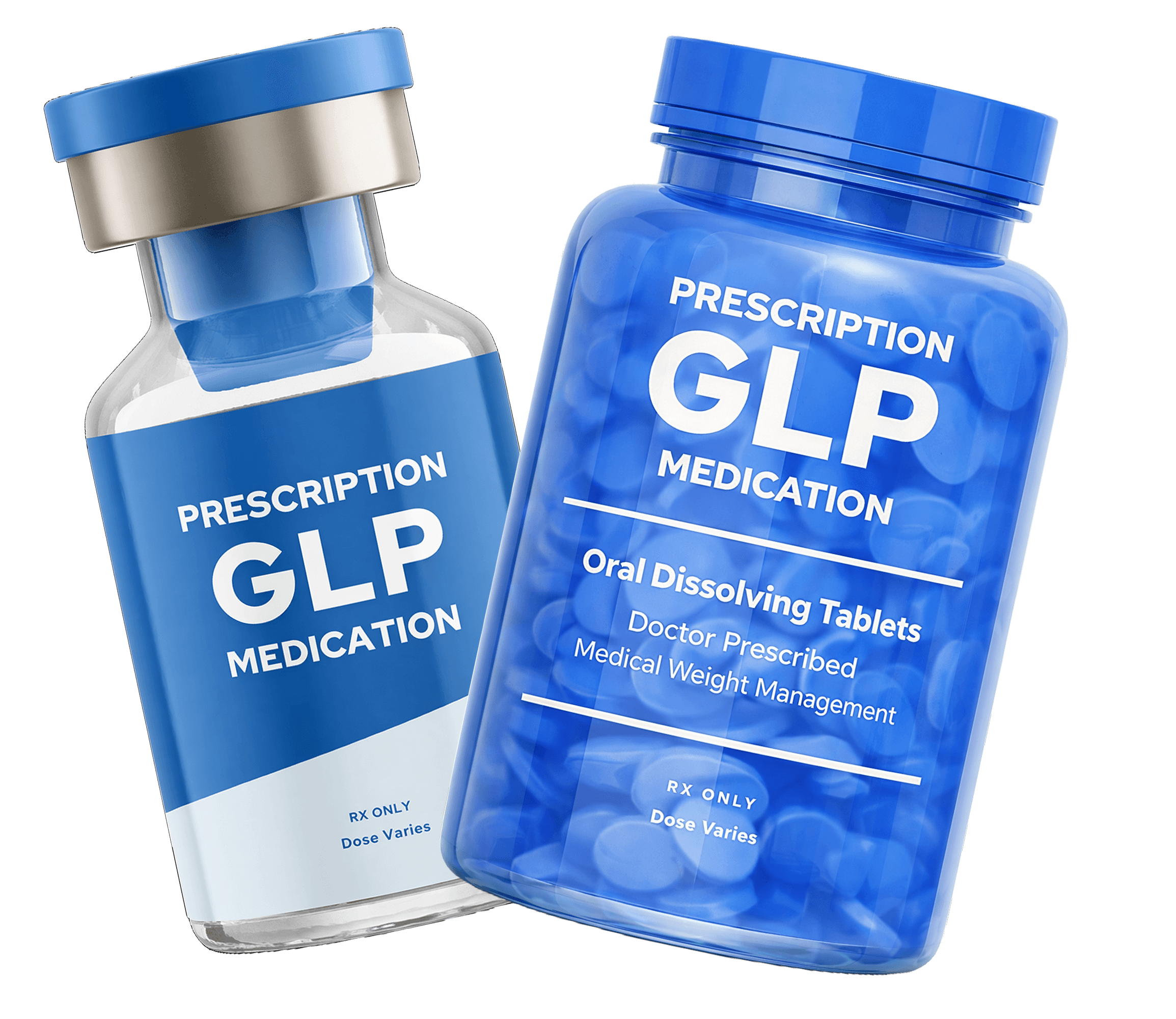
Not a diet. Not a gym plan.
Medical science. Finally in India.
- Available as weekly injection or daily tablets
- Around 15% average weight loss in major GLP‑1 trials — results vary*
- Unlimited 24/7 support from our care team
- Start with a ₹499 doctor consultation — refunded if you’re not eligible
- Medication & ongoing care quoted separately — price shown before you pay