Things worth knowing — before, during, after.
Short, plain-language guides on GLP-1 therapy and metabolic health, written and reviewed by ZIVOLABS doctors. No clickbait. No miracle promises.
Browse the full article libraryResults
Showing 13–24 of 48%22%2F%3E%3Cstop%20offset%3D%221%22%20stop-color%3D%22hsl(235%2062%25%2040%25)%22%2F%3E%3C%2FlinearGradient%3E%3C%2Fdefs%3E%3Crect%20width%3D%221600%22%20height%3D%22900%22%20fill%3D%22url(%23g)%22%2F%3E%3Ccircle%20cx%3D%221360%22%20cy%3D%22170%22%20r%3D%22360%22%20fill%3D%22%23ffffff%22%20opacity%3D%220.06%22%2F%3E%3Ccircle%20cx%3D%221500%22%20cy%3D%22770%22%20r%3D%22230%22%20fill%3D%22%23ffffff%22%20opacity%3D%220.05%22%2F%3E%3Crect%20x%3D%2290%22%20y%3D%22176%22%20width%3D%2264%22%20height%3D%226%22%20rx%3D%223%22%20fill%3D%22%23ffffff%22%20opacity%3D%220.85%22%2F%3E%3Ctext%20x%3D%2290%22%20y%3D%22150%22%20fill%3D%22%23ffffff%22%20opacity%3D%220.85%22%20font-family%3D%22Arial%2CHelvetica%2Csans-serif%22%20font-size%3D%2234%22%20font-weight%3D%22700%22%20letter-spacing%3D%224%22%3EMEDICATION%20%26amp%3B%20SAFETY%3C%2Ftext%3E%3Ctext%20fill%3D%22%23ffffff%22%20font-family%3D%22Arial%2CHelvetica%2Csans-serif%22%20font-size%3D%2274%22%20font-weight%3D%22800%22%20letter-spacing%3D%22-1%22%3E%3Ctspan%20x%3D%2290%22%20y%3D%22378%22%3ECan%20I%20take%20iron%3C%2Ftspan%3E%3Ctspan%20x%3D%2290%22%20y%3D%22470%22%3Esupplements%20while%20on%3C%2Ftspan%3E%3Ctspan%20x%3D%2290%22%20y%3D%22562%22%3EMounjaro%20(or%20any%20GLP-1)%3F%3C%2Ftspan%3E%3C%2Ftext%3E%3Ctext%20x%3D%2290%22%20y%3D%22822%22%20fill%3D%22%23ffffff%22%20opacity%3D%220.92%22%20font-family%3D%22Arial%2CHelvetica%2Csans-serif%22%20font-size%3D%2240%22%20font-weight%3D%22800%22%20letter-spacing%3D%221%22%3EZIVOLABS%3C%2Ftext%3E%3C%2Fsvg%3E)
Can I take iron supplements while on Mounjaro (or any GLP-1)?
Yes. Iron is safe and often needed, since reduced food intake can worsen borderline iron levels. Take it with vitamin C and away from tea/coffee for better absorption.
%22%2F%3E%3Cstop%20offset%3D%221%22%20stop-color%3D%22hsl(229%2062%25%2040%25)%22%2F%3E%3C%2FlinearGradient%3E%3C%2Fdefs%3E%3Crect%20width%3D%221600%22%20height%3D%22900%22%20fill%3D%22url(%23g)%22%2F%3E%3Ccircle%20cx%3D%221360%22%20cy%3D%22170%22%20r%3D%22360%22%20fill%3D%22%23ffffff%22%20opacity%3D%220.06%22%2F%3E%3Ccircle%20cx%3D%221500%22%20cy%3D%22770%22%20r%3D%22230%22%20fill%3D%22%23ffffff%22%20opacity%3D%220.05%22%2F%3E%3Crect%20x%3D%2290%22%20y%3D%22176%22%20width%3D%2264%22%20height%3D%226%22%20rx%3D%223%22%20fill%3D%22%23ffffff%22%20opacity%3D%220.85%22%2F%3E%3Ctext%20x%3D%2290%22%20y%3D%22150%22%20fill%3D%22%23ffffff%22%20opacity%3D%220.85%22%20font-family%3D%22Arial%2CHelvetica%2Csans-serif%22%20font-size%3D%2234%22%20font-weight%3D%22700%22%20letter-spacing%3D%224%22%3EMEDICATION%20%26amp%3B%20SAFETY%3C%2Ftext%3E%3Ctext%20fill%3D%22%23ffffff%22%20font-family%3D%22Arial%2CHelvetica%2Csans-serif%22%20font-size%3D%2274%22%20font-weight%3D%22800%22%20letter-spacing%3D%22-1%22%3E%3Ctspan%20x%3D%2290%22%20y%3D%22378%22%3ECan%20I%20take%20vitamin%20D%3C%2Ftspan%3E%3Ctspan%20x%3D%2290%22%20y%3D%22470%22%3Ewhile%20on%20Trulicity%20(or%3C%2Ftspan%3E%3Ctspan%20x%3D%2290%22%20y%3D%22562%22%3Eany%20GLP-1)%3F%3C%2Ftspan%3E%3C%2Ftext%3E%3Ctext%20x%3D%2290%22%20y%3D%22822%22%20fill%3D%22%23ffffff%22%20opacity%3D%220.92%22%20font-family%3D%22Arial%2CHelvetica%2Csans-serif%22%20font-size%3D%2240%22%20font-weight%3D%22800%22%20letter-spacing%3D%221%22%3EZIVOLABS%3C%2Ftext%3E%3C%2Fsvg%3E)
Can I take vitamin D while on Trulicity (or any GLP-1)?
Yes. Vitamin D deficiency is extremely common in India regardless of weight, and supplementing is safe and recommended alongside a GLP-1.
%22%2F%3E%3Cstop%20offset%3D%221%22%20stop-color%3D%22hsl(240%2062%25%2040%25)%22%2F%3E%3C%2FlinearGradient%3E%3C%2Fdefs%3E%3Crect%20width%3D%221600%22%20height%3D%22900%22%20fill%3D%22url(%23g)%22%2F%3E%3Ccircle%20cx%3D%221360%22%20cy%3D%22170%22%20r%3D%22360%22%20fill%3D%22%23ffffff%22%20opacity%3D%220.06%22%2F%3E%3Ccircle%20cx%3D%221500%22%20cy%3D%22770%22%20r%3D%22230%22%20fill%3D%22%23ffffff%22%20opacity%3D%220.05%22%2F%3E%3Crect%20x%3D%2290%22%20y%3D%22176%22%20width%3D%2264%22%20height%3D%226%22%20rx%3D%223%22%20fill%3D%22%23ffffff%22%20opacity%3D%220.85%22%2F%3E%3Ctext%20x%3D%2290%22%20y%3D%22150%22%20fill%3D%22%23ffffff%22%20opacity%3D%220.85%22%20font-family%3D%22Arial%2CHelvetica%2Csans-serif%22%20font-size%3D%2234%22%20font-weight%3D%22700%22%20letter-spacing%3D%224%22%3EMEDICATION%20%26amp%3B%20SAFETY%3C%2Ftext%3E%3Ctext%20fill%3D%22%23ffffff%22%20font-family%3D%22Arial%2CHelvetica%2Csans-serif%22%20font-size%3D%2274%22%20font-weight%3D%22800%22%20letter-spacing%3D%22-1%22%3E%3Ctspan%20x%3D%2290%22%20y%3D%22378%22%3ECan%20I%20take%20vitamin%20B12%3C%2Ftspan%3E%3Ctspan%20x%3D%2290%22%20y%3D%22470%22%3Ewhile%20on%20Wegovy%20(or%20any%3C%2Ftspan%3E%3Ctspan%20x%3D%2290%22%20y%3D%22562%22%3EGLP-1)%3F%3C%2Ftspan%3E%3C%2Ftext%3E%3Ctext%20x%3D%2290%22%20y%3D%22822%22%20fill%3D%22%23ffffff%22%20opacity%3D%220.92%22%20font-family%3D%22Arial%2CHelvetica%2Csans-serif%22%20font-size%3D%2240%22%20font-weight%3D%22800%22%20letter-spacing%3D%221%22%3EZIVOLABS%3C%2Ftext%3E%3C%2Fsvg%3E)
Can I take vitamin B12 while on Wegovy (or any GLP-1)?
Yes — and many Indians are already borderline. Lower food intake on a GLP-1 can expose a B12 deficiency, so supplementing (or testing first) is wise, particularly for vegetarians.
%22%2F%3E%3Cstop%20offset%3D%221%22%20stop-color%3D%22hsl(231%2062%25%2040%25)%22%2F%3E%3C%2FlinearGradient%3E%3C%2Fdefs%3E%3Crect%20width%3D%221600%22%20height%3D%22900%22%20fill%3D%22url(%23g)%22%2F%3E%3Ccircle%20cx%3D%221360%22%20cy%3D%22170%22%20r%3D%22360%22%20fill%3D%22%23ffffff%22%20opacity%3D%220.06%22%2F%3E%3Ccircle%20cx%3D%221500%22%20cy%3D%22770%22%20r%3D%22230%22%20fill%3D%22%23ffffff%22%20opacity%3D%220.05%22%2F%3E%3Crect%20x%3D%2290%22%20y%3D%22176%22%20width%3D%2264%22%20height%3D%226%22%20rx%3D%223%22%20fill%3D%22%23ffffff%22%20opacity%3D%220.85%22%2F%3E%3Ctext%20x%3D%2290%22%20y%3D%22150%22%20fill%3D%22%23ffffff%22%20opacity%3D%220.85%22%20font-family%3D%22Arial%2CHelvetica%2Csans-serif%22%20font-size%3D%2234%22%20font-weight%3D%22700%22%20letter-spacing%3D%224%22%3EMEDICATION%20%26amp%3B%20SAFETY%3C%2Ftext%3E%3Ctext%20fill%3D%22%23ffffff%22%20font-family%3D%22Arial%2CHelvetica%2Csans-serif%22%20font-size%3D%2274%22%20font-weight%3D%22800%22%20letter-spacing%3D%22-1%22%3E%3Ctspan%20x%3D%2290%22%20y%3D%22332%22%3ECan%20I%20take%20a%3C%2Ftspan%3E%3Ctspan%20x%3D%2290%22%20y%3D%22424%22%3Emultivitamin%20while%20on%3C%2Ftspan%3E%3Ctspan%20x%3D%2290%22%20y%3D%22516%22%3ETrulicity%20(or%20any%3C%2Ftspan%3E%3Ctspan%20x%3D%2290%22%20y%3D%22608%22%3EGLP-1)%3F%3C%2Ftspan%3E%3C%2Ftext%3E%3Ctext%20x%3D%2290%22%20y%3D%22822%22%20fill%3D%22%23ffffff%22%20opacity%3D%220.92%22%20font-family%3D%22Arial%2CHelvetica%2Csans-serif%22%20font-size%3D%2240%22%20font-weight%3D%22800%22%20letter-spacing%3D%221%22%3EZIVOLABS%3C%2Ftext%3E%3C%2Fsvg%3E)
Can I take a multivitamin while on Trulicity (or any GLP-1)?
Yes, and it's sensible. Eating less means smaller intake of vitamins and minerals; a daily multivitamin covers the gaps, especially iron, B12 and vitamin D for Indian vegetarians.
%22%2F%3E%3Cstop%20offset%3D%221%22%20stop-color%3D%22hsl(241%2062%25%2040%25)%22%2F%3E%3C%2FlinearGradient%3E%3C%2Fdefs%3E%3Crect%20width%3D%221600%22%20height%3D%22900%22%20fill%3D%22url(%23g)%22%2F%3E%3Ccircle%20cx%3D%221360%22%20cy%3D%22170%22%20r%3D%22360%22%20fill%3D%22%23ffffff%22%20opacity%3D%220.06%22%2F%3E%3Ccircle%20cx%3D%221500%22%20cy%3D%22770%22%20r%3D%22230%22%20fill%3D%22%23ffffff%22%20opacity%3D%220.05%22%2F%3E%3Crect%20x%3D%2290%22%20y%3D%22176%22%20width%3D%2264%22%20height%3D%226%22%20rx%3D%223%22%20fill%3D%22%23ffffff%22%20opacity%3D%220.85%22%2F%3E%3Ctext%20x%3D%2290%22%20y%3D%22150%22%20fill%3D%22%23ffffff%22%20opacity%3D%220.85%22%20font-family%3D%22Arial%2CHelvetica%2Csans-serif%22%20font-size%3D%2234%22%20font-weight%3D%22700%22%20letter-spacing%3D%224%22%3EMEDICATION%20%26amp%3B%20SAFETY%3C%2Ftext%3E%3Ctext%20fill%3D%22%23ffffff%22%20font-family%3D%22Arial%2CHelvetica%2Csans-serif%22%20font-size%3D%2274%22%20font-weight%3D%22800%22%20letter-spacing%3D%22-1%22%3E%3Ctspan%20x%3D%2290%22%20y%3D%22378%22%3ECan%20I%20take%20creatine%3C%2Ftspan%3E%3Ctspan%20x%3D%2290%22%20y%3D%22470%22%3Ewhile%20on%20Wegovy%20(or%20any%3C%2Ftspan%3E%3Ctspan%20x%3D%2290%22%20y%3D%22562%22%3EGLP-1)%3F%3C%2Ftspan%3E%3C%2Ftext%3E%3Ctext%20x%3D%2290%22%20y%3D%22822%22%20fill%3D%22%23ffffff%22%20opacity%3D%220.92%22%20font-family%3D%22Arial%2CHelvetica%2Csans-serif%22%20font-size%3D%2240%22%20font-weight%3D%22800%22%20letter-spacing%3D%221%22%3EZIVOLABS%3C%2Ftext%3E%3C%2Fsvg%3E)
Can I take creatine while on Wegovy (or any GLP-1)?
Yes. Creatine is safe with GLP-1 and supports strength training, which matters because resistance work preserves muscle during weight loss. Stay well hydrated.
%22%2F%3E%3Cstop%20offset%3D%221%22%20stop-color%3D%22hsl(246%2062%25%2040%25)%22%2F%3E%3C%2FlinearGradient%3E%3C%2Fdefs%3E%3Crect%20width%3D%221600%22%20height%3D%22900%22%20fill%3D%22url(%23g)%22%2F%3E%3Ccircle%20cx%3D%221360%22%20cy%3D%22170%22%20r%3D%22360%22%20fill%3D%22%23ffffff%22%20opacity%3D%220.06%22%2F%3E%3Ccircle%20cx%3D%221500%22%20cy%3D%22770%22%20r%3D%22230%22%20fill%3D%22%23ffffff%22%20opacity%3D%220.05%22%2F%3E%3Crect%20x%3D%2290%22%20y%3D%22176%22%20width%3D%2264%22%20height%3D%226%22%20rx%3D%223%22%20fill%3D%22%23ffffff%22%20opacity%3D%220.85%22%2F%3E%3Ctext%20x%3D%2290%22%20y%3D%22150%22%20fill%3D%22%23ffffff%22%20opacity%3D%220.85%22%20font-family%3D%22Arial%2CHelvetica%2Csans-serif%22%20font-size%3D%2234%22%20font-weight%3D%22700%22%20letter-spacing%3D%224%22%3EMEDICATION%20%26amp%3B%20SAFETY%3C%2Ftext%3E%3Ctext%20fill%3D%22%23ffffff%22%20font-family%3D%22Arial%2CHelvetica%2Csans-serif%22%20font-size%3D%2274%22%20font-weight%3D%22800%22%20letter-spacing%3D%22-1%22%3E%3Ctspan%20x%3D%2290%22%20y%3D%22378%22%3ECan%20I%20take%20whey%20protein%3C%2Ftspan%3E%3Ctspan%20x%3D%2290%22%20y%3D%22470%22%3Ewhile%20on%20Saxenda%20(or%20any%3C%2Ftspan%3E%3Ctspan%20x%3D%2290%22%20y%3D%22562%22%3EGLP-1)%3F%3C%2Ftspan%3E%3C%2Ftext%3E%3Ctext%20x%3D%2290%22%20y%3D%22822%22%20fill%3D%22%23ffffff%22%20opacity%3D%220.92%22%20font-family%3D%22Arial%2CHelvetica%2Csans-serif%22%20font-size%3D%2240%22%20font-weight%3D%22800%22%20letter-spacing%3D%221%22%3EZIVOLABS%3C%2Ftext%3E%3C%2Fsvg%3E)
Can I take whey protein while on Saxenda (or any GLP-1)?
Yes, and it's one of the most useful supplements on a GLP-1. Reduced appetite makes it hard to eat enough protein, and protein is what protects your muscle while you lose fat.
%22%2F%3E%3Cstop%20offset%3D%221%22%20stop-color%3D%22hsl(247%2062%25%2040%25)%22%2F%3E%3C%2FlinearGradient%3E%3C%2Fdefs%3E%3Crect%20width%3D%221600%22%20height%3D%22900%22%20fill%3D%22url(%23g)%22%2F%3E%3Ccircle%20cx%3D%221360%22%20cy%3D%22170%22%20r%3D%22360%22%20fill%3D%22%23ffffff%22%20opacity%3D%220.06%22%2F%3E%3Ccircle%20cx%3D%221500%22%20cy%3D%22770%22%20r%3D%22230%22%20fill%3D%22%23ffffff%22%20opacity%3D%220.05%22%2F%3E%3Crect%20x%3D%2290%22%20y%3D%22176%22%20width%3D%2264%22%20height%3D%226%22%20rx%3D%223%22%20fill%3D%22%23ffffff%22%20opacity%3D%220.85%22%2F%3E%3Ctext%20x%3D%2290%22%20y%3D%22150%22%20fill%3D%22%23ffffff%22%20opacity%3D%220.85%22%20font-family%3D%22Arial%2CHelvetica%2Csans-serif%22%20font-size%3D%2234%22%20font-weight%3D%22700%22%20letter-spacing%3D%224%22%3EMEDICATION%20%26amp%3B%20SAFETY%3C%2Ftext%3E%3Ctext%20fill%3D%22%23ffffff%22%20font-family%3D%22Arial%2CHelvetica%2Csans-serif%22%20font-size%3D%2274%22%20font-weight%3D%22800%22%20letter-spacing%3D%22-1%22%3E%3Ctspan%20x%3D%2290%22%20y%3D%22378%22%3ECan%20I%20take%20Ozempic%20with%3C%2Ftspan%3E%3Ctspan%20x%3D%2290%22%20y%3D%22470%22%3Eanti-nausea%20medicine%3C%2Ftspan%3E%3Ctspan%20x%3D%2290%22%20y%3D%22562%22%3E(ondansetron)%3F%3C%2Ftspan%3E%3C%2Ftext%3E%3Ctext%20x%3D%2290%22%20y%3D%22822%22%20fill%3D%22%23ffffff%22%20opacity%3D%220.92%22%20font-family%3D%22Arial%2CHelvetica%2Csans-serif%22%20font-size%3D%2240%22%20font-weight%3D%22800%22%20letter-spacing%3D%221%22%3EZIVOLABS%3C%2Ftext%3E%3C%2Fsvg%3E)
Can I take Ozempic with anti-nausea medicine (ondansetron)?
Yes — in fact doctors often prescribe ondansetron deliberately for a few days when GLP-1 nausea is bad.
%22%2F%3E%3Cstop%20offset%3D%221%22%20stop-color%3D%22hsl(226%2062%25%2040%25)%22%2F%3E%3C%2FlinearGradient%3E%3C%2Fdefs%3E%3Crect%20width%3D%221600%22%20height%3D%22900%22%20fill%3D%22url(%23g)%22%2F%3E%3Ccircle%20cx%3D%221360%22%20cy%3D%22170%22%20r%3D%22360%22%20fill%3D%22%23ffffff%22%20opacity%3D%220.06%22%2F%3E%3Ccircle%20cx%3D%221500%22%20cy%3D%22770%22%20r%3D%22230%22%20fill%3D%22%23ffffff%22%20opacity%3D%220.05%22%2F%3E%3Crect%20x%3D%2290%22%20y%3D%22176%22%20width%3D%2264%22%20height%3D%226%22%20rx%3D%223%22%20fill%3D%22%23ffffff%22%20opacity%3D%220.85%22%2F%3E%3Ctext%20x%3D%2290%22%20y%3D%22150%22%20fill%3D%22%23ffffff%22%20opacity%3D%220.85%22%20font-family%3D%22Arial%2CHelvetica%2Csans-serif%22%20font-size%3D%2234%22%20font-weight%3D%22700%22%20letter-spacing%3D%224%22%3EMEDICATION%20%26amp%3B%20SAFETY%3C%2Ftext%3E%3Ctext%20fill%3D%22%23ffffff%22%20font-family%3D%22Arial%2CHelvetica%2Csans-serif%22%20font-size%3D%2274%22%20font-weight%3D%22800%22%20letter-spacing%3D%22-1%22%3E%3Ctspan%20x%3D%2290%22%20y%3D%22424%22%3ECan%20I%20take%20Rybelsus%20with%3C%2Ftspan%3E%3Ctspan%20x%3D%2290%22%20y%3D%22516%22%3Eiron%20tablets%3F%3C%2Ftspan%3E%3C%2Ftext%3E%3Ctext%20x%3D%2290%22%20y%3D%22822%22%20fill%3D%22%23ffffff%22%20opacity%3D%220.92%22%20font-family%3D%22Arial%2CHelvetica%2Csans-serif%22%20font-size%3D%2240%22%20font-weight%3D%22800%22%20letter-spacing%3D%221%22%3EZIVOLABS%3C%2Ftext%3E%3C%2Fsvg%3E)
Can I take Rybelsus with iron tablets?
Yes. Iron supplements are safe and often needed, as lower food intake on a GLP-1 can worsen borderline iron levels — a common issue for Indian vegetarians.
%22%2F%3E%3Cstop%20offset%3D%221%22%20stop-color%3D%22hsl(247%2062%25%2040%25)%22%2F%3E%3C%2FlinearGradient%3E%3C%2Fdefs%3E%3Crect%20width%3D%221600%22%20height%3D%22900%22%20fill%3D%22url(%23g)%22%2F%3E%3Ccircle%20cx%3D%221360%22%20cy%3D%22170%22%20r%3D%22360%22%20fill%3D%22%23ffffff%22%20opacity%3D%220.06%22%2F%3E%3Ccircle%20cx%3D%221500%22%20cy%3D%22770%22%20r%3D%22230%22%20fill%3D%22%23ffffff%22%20opacity%3D%220.05%22%2F%3E%3Crect%20x%3D%2290%22%20y%3D%22176%22%20width%3D%2264%22%20height%3D%226%22%20rx%3D%223%22%20fill%3D%22%23ffffff%22%20opacity%3D%220.85%22%2F%3E%3Ctext%20x%3D%2290%22%20y%3D%22150%22%20fill%3D%22%23ffffff%22%20opacity%3D%220.85%22%20font-family%3D%22Arial%2CHelvetica%2Csans-serif%22%20font-size%3D%2234%22%20font-weight%3D%22700%22%20letter-spacing%3D%224%22%3EMEDICATION%20%26amp%3B%20SAFETY%3C%2Ftext%3E%3Ctext%20fill%3D%22%23ffffff%22%20font-family%3D%22Arial%2CHelvetica%2Csans-serif%22%20font-size%3D%2274%22%20font-weight%3D%22800%22%20letter-spacing%3D%22-1%22%3E%3Ctspan%20x%3D%2290%22%20y%3D%22378%22%3ECan%20I%20take%20Mounjaro%20with%3C%2Ftspan%3E%3Ctspan%20x%3D%2290%22%20y%3D%22470%22%3Evitamin%20D%20or%20calcium%3C%2Ftspan%3E%3Ctspan%20x%3D%2290%22%20y%3D%22562%22%3Esupplements%3F%3C%2Ftspan%3E%3C%2Ftext%3E%3Ctext%20x%3D%2290%22%20y%3D%22822%22%20fill%3D%22%23ffffff%22%20opacity%3D%220.92%22%20font-family%3D%22Arial%2CHelvetica%2Csans-serif%22%20font-size%3D%2240%22%20font-weight%3D%22800%22%20letter-spacing%3D%221%22%3EZIVOLABS%3C%2Ftext%3E%3C%2Fsvg%3E)
Can I take Mounjaro with vitamin D or calcium supplements?
Yes — these are safe with GLP-1 and often recommended, since reduced food intake can leave gaps.
%22%2F%3E%3Cstop%20offset%3D%221%22%20stop-color%3D%22hsl(229%2062%25%2040%25)%22%2F%3E%3C%2FlinearGradient%3E%3C%2Fdefs%3E%3Crect%20width%3D%221600%22%20height%3D%22900%22%20fill%3D%22url(%23g)%22%2F%3E%3Ccircle%20cx%3D%221360%22%20cy%3D%22170%22%20r%3D%22360%22%20fill%3D%22%23ffffff%22%20opacity%3D%220.06%22%2F%3E%3Ccircle%20cx%3D%221500%22%20cy%3D%22770%22%20r%3D%22230%22%20fill%3D%22%23ffffff%22%20opacity%3D%220.05%22%2F%3E%3Crect%20x%3D%2290%22%20y%3D%22176%22%20width%3D%2264%22%20height%3D%226%22%20rx%3D%223%22%20fill%3D%22%23ffffff%22%20opacity%3D%220.85%22%2F%3E%3Ctext%20x%3D%2290%22%20y%3D%22150%22%20fill%3D%22%23ffffff%22%20opacity%3D%220.85%22%20font-family%3D%22Arial%2CHelvetica%2Csans-serif%22%20font-size%3D%2234%22%20font-weight%3D%22700%22%20letter-spacing%3D%224%22%3EMEDICATION%20%26amp%3B%20SAFETY%3C%2Ftext%3E%3Ctext%20fill%3D%22%23ffffff%22%20font-family%3D%22Arial%2CHelvetica%2Csans-serif%22%20font-size%3D%2274%22%20font-weight%3D%22800%22%20letter-spacing%3D%22-1%22%3E%3Ctspan%20x%3D%2290%22%20y%3D%22424%22%3ECan%20I%20take%20Saxenda%20with%3C%2Ftspan%3E%3Ctspan%20x%3D%2290%22%20y%3D%22516%22%3Esteroids%20(prednisolone)%3F%3C%2Ftspan%3E%3C%2Ftext%3E%3Ctext%20x%3D%2290%22%20y%3D%22822%22%20fill%3D%22%23ffffff%22%20opacity%3D%220.92%22%20font-family%3D%22Arial%2CHelvetica%2Csans-serif%22%20font-size%3D%2240%22%20font-weight%3D%22800%22%20letter-spacing%3D%221%22%3EZIVOLABS%3C%2Ftext%3E%3C%2Fsvg%3E)
Can I take Saxenda with steroids (prednisolone)?
Yes, but expect your blood sugar to behave differently. Steroids raise blood sugar and appetite, which works against what the GLP-1 is doing.
%22%2F%3E%3Cstop%20offset%3D%221%22%20stop-color%3D%22hsl(229%2062%25%2040%25)%22%2F%3E%3C%2FlinearGradient%3E%3C%2Fdefs%3E%3Crect%20width%3D%221600%22%20height%3D%22900%22%20fill%3D%22url(%23g)%22%2F%3E%3Ccircle%20cx%3D%221360%22%20cy%3D%22170%22%20r%3D%22360%22%20fill%3D%22%23ffffff%22%20opacity%3D%220.06%22%2F%3E%3Ccircle%20cx%3D%221500%22%20cy%3D%22770%22%20r%3D%22230%22%20fill%3D%22%23ffffff%22%20opacity%3D%220.05%22%2F%3E%3Crect%20x%3D%2290%22%20y%3D%22176%22%20width%3D%2264%22%20height%3D%226%22%20rx%3D%223%22%20fill%3D%22%23ffffff%22%20opacity%3D%220.85%22%2F%3E%3Ctext%20x%3D%2290%22%20y%3D%22150%22%20fill%3D%22%23ffffff%22%20opacity%3D%220.85%22%20font-family%3D%22Arial%2CHelvetica%2Csans-serif%22%20font-size%3D%2234%22%20font-weight%3D%22700%22%20letter-spacing%3D%224%22%3EMEDICATION%20%26amp%3B%20SAFETY%3C%2Ftext%3E%3Ctext%20fill%3D%22%23ffffff%22%20font-family%3D%22Arial%2CHelvetica%2Csans-serif%22%20font-size%3D%2274%22%20font-weight%3D%22800%22%20letter-spacing%3D%22-1%22%3E%3Ctspan%20x%3D%2290%22%20y%3D%22424%22%3ECan%20I%20take%20Wegovy%20with%3C%2Ftspan%3E%3Ctspan%20x%3D%2290%22%20y%3D%22516%22%3Eantidepressants%20(SSRIs)%3F%3C%2Ftspan%3E%3C%2Ftext%3E%3Ctext%20x%3D%2290%22%20y%3D%22822%22%20fill%3D%22%23ffffff%22%20opacity%3D%220.92%22%20font-family%3D%22Arial%2CHelvetica%2Csans-serif%22%20font-size%3D%2240%22%20font-weight%3D%22800%22%20letter-spacing%3D%221%22%3EZIVOLABS%3C%2Ftext%3E%3C%2Fsvg%3E)
Can I take Wegovy with antidepressants (SSRIs)?
Usually yes. Most antidepressants are taken safely alongside GLP-1 medicines.
%22%2F%3E%3Cstop%20offset%3D%221%22%20stop-color%3D%22hsl(238%2062%25%2040%25)%22%2F%3E%3C%2FlinearGradient%3E%3C%2Fdefs%3E%3Crect%20width%3D%221600%22%20height%3D%22900%22%20fill%3D%22url(%23g)%22%2F%3E%3Ccircle%20cx%3D%221360%22%20cy%3D%22170%22%20r%3D%22360%22%20fill%3D%22%23ffffff%22%20opacity%3D%220.06%22%2F%3E%3Ccircle%20cx%3D%221500%22%20cy%3D%22770%22%20r%3D%22230%22%20fill%3D%22%23ffffff%22%20opacity%3D%220.05%22%2F%3E%3Crect%20x%3D%2290%22%20y%3D%22176%22%20width%3D%2264%22%20height%3D%226%22%20rx%3D%223%22%20fill%3D%22%23ffffff%22%20opacity%3D%220.85%22%2F%3E%3Ctext%20x%3D%2290%22%20y%3D%22150%22%20fill%3D%22%23ffffff%22%20opacity%3D%220.85%22%20font-family%3D%22Arial%2CHelvetica%2Csans-serif%22%20font-size%3D%2234%22%20font-weight%3D%22700%22%20letter-spacing%3D%224%22%3EMEDICATION%20%26amp%3B%20SAFETY%3C%2Ftext%3E%3Ctext%20fill%3D%22%23ffffff%22%20font-family%3D%22Arial%2CHelvetica%2Csans-serif%22%20font-size%3D%2274%22%20font-weight%3D%22800%22%20letter-spacing%3D%22-1%22%3E%3Ctspan%20x%3D%2290%22%20y%3D%22332%22%3ECan%20I%20take%20Rybelsus%20with%3C%2Ftspan%3E%3Ctspan%20x%3D%2290%22%20y%3D%22424%22%3EDPP-4%20inhibitors%3C%2Ftspan%3E%3Ctspan%20x%3D%2290%22%20y%3D%22516%22%3E(sitagliptin%20%2F%3C%2Ftspan%3E%3Ctspan%20x%3D%2290%22%20y%3D%22608%22%3Evildagliptin)%3F%3C%2Ftspan%3E%3C%2Ftext%3E%3Ctext%20x%3D%2290%22%20y%3D%22822%22%20fill%3D%22%23ffffff%22%20opacity%3D%220.92%22%20font-family%3D%22Arial%2CHelvetica%2Csans-serif%22%20font-size%3D%2240%22%20font-weight%3D%22800%22%20letter-spacing%3D%221%22%3EZIVOLABS%3C%2Ftext%3E%3C%2Fsvg%3E)
Can I take Rybelsus with DPP-4 inhibitors (sitagliptin / vildagliptin)?
No — these are usually stopped when you start a GLP-1. They act on the same hormone pathway, so taking both adds cost without adding benefit.
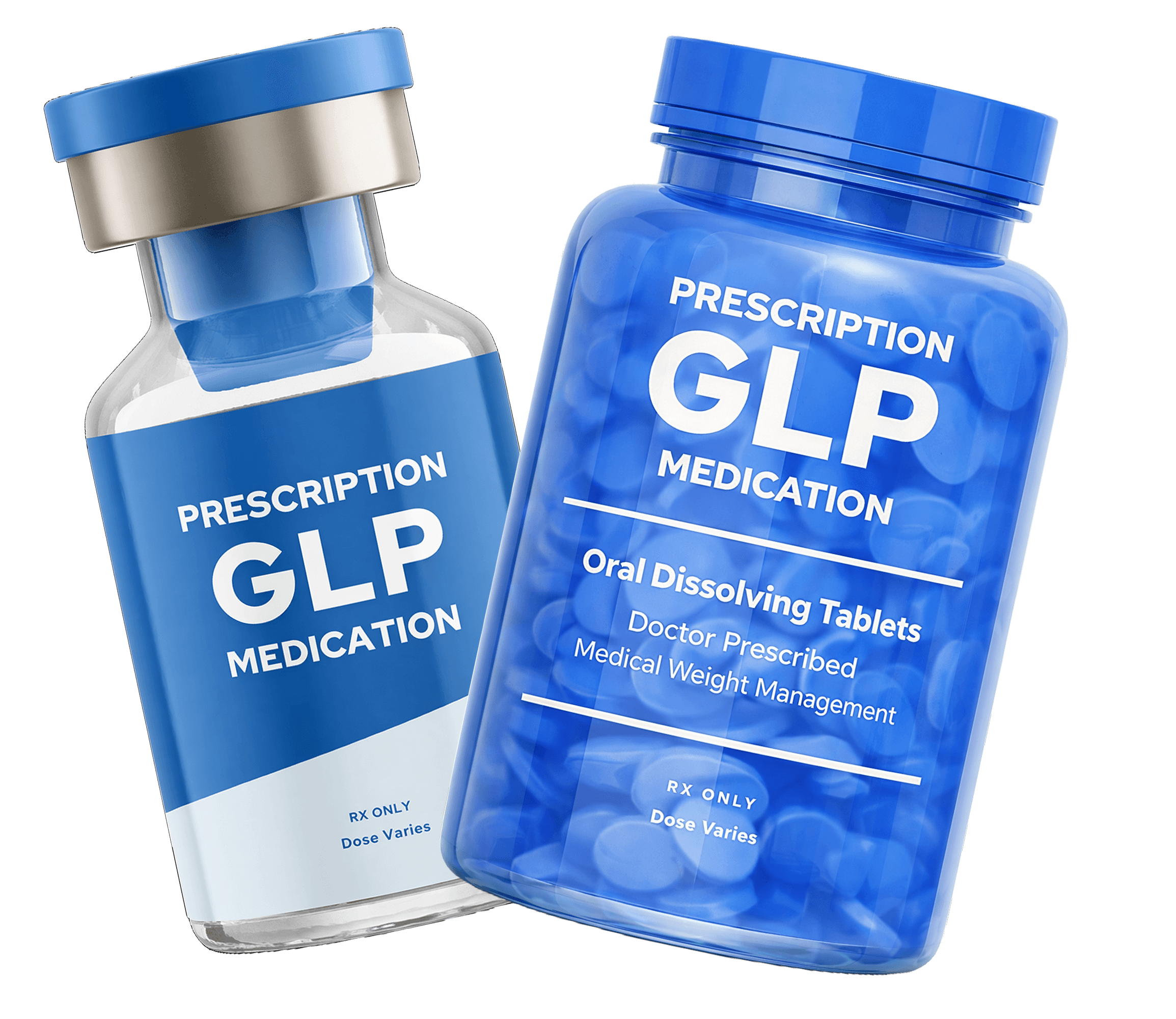
Not a diet. Not a gym plan.
Medical science. Finally in India.
- Available as weekly injection or daily tablets
- Around 15% average weight loss in major GLP‑1 trials — results vary*
- Unlimited 24/7 support from our care team
- Start with a ₹499 doctor consultation — refunded if you’re not eligible
- Medication & ongoing care quoted separately — price shown before you pay