Things worth knowing — before, during, after.
Short, plain-language guides on GLP-1 therapy and metabolic health, written and reviewed by ZIVOLABS doctors. No clickbait. No miracle promises.
Browse the full article libraryResults
Showing 1–12 of 48%22%2F%3E%3Cstop%20offset%3D%221%22%20stop-color%3D%22hsl(232%2062%25%2040%25)%22%2F%3E%3C%2FlinearGradient%3E%3C%2Fdefs%3E%3Crect%20width%3D%221600%22%20height%3D%22900%22%20fill%3D%22url(%23g)%22%2F%3E%3Ccircle%20cx%3D%221360%22%20cy%3D%22170%22%20r%3D%22360%22%20fill%3D%22%23ffffff%22%20opacity%3D%220.06%22%2F%3E%3Ccircle%20cx%3D%221500%22%20cy%3D%22770%22%20r%3D%22230%22%20fill%3D%22%23ffffff%22%20opacity%3D%220.05%22%2F%3E%3Crect%20x%3D%2290%22%20y%3D%22176%22%20width%3D%2264%22%20height%3D%226%22%20rx%3D%223%22%20fill%3D%22%23ffffff%22%20opacity%3D%220.85%22%2F%3E%3Ctext%20x%3D%2290%22%20y%3D%22150%22%20fill%3D%22%23ffffff%22%20opacity%3D%220.85%22%20font-family%3D%22Arial%2CHelvetica%2Csans-serif%22%20font-size%3D%2234%22%20font-weight%3D%22700%22%20letter-spacing%3D%224%22%3EMEDICATION%20%26amp%3B%20SAFETY%3C%2Ftext%3E%3Ctext%20fill%3D%22%23ffffff%22%20font-family%3D%22Arial%2CHelvetica%2Csans-serif%22%20font-size%3D%2274%22%20font-weight%3D%22800%22%20letter-spacing%3D%22-1%22%3E%3Ctspan%20x%3D%2290%22%20y%3D%22378%22%3EWill%20a%20GLP-1%20interfere%3C%2Ftspan%3E%3Ctspan%20x%3D%2290%22%20y%3D%22470%22%3Ewith%20my%20thyroid%3C%2Ftspan%3E%3Ctspan%20x%3D%2290%22%20y%3D%22562%22%3Emedicine%3F%3C%2Ftspan%3E%3C%2Ftext%3E%3Ctext%20x%3D%2290%22%20y%3D%22822%22%20fill%3D%22%23ffffff%22%20opacity%3D%220.92%22%20font-family%3D%22Arial%2CHelvetica%2Csans-serif%22%20font-size%3D%2240%22%20font-weight%3D%22800%22%20letter-spacing%3D%221%22%3EZIVOLABS%3C%2Ftext%3E%3C%2Fsvg%3E)
Will a GLP-1 interfere with my thyroid medicine?
No — take levothyroxine fasted as usual. Because weight loss can change your needs, recheck TSH around every six months.
%22%2F%3E%3Cstop%20offset%3D%221%22%20stop-color%3D%22hsl(231%2062%25%2040%25)%22%2F%3E%3C%2FlinearGradient%3E%3C%2Fdefs%3E%3Crect%20width%3D%221600%22%20height%3D%22900%22%20fill%3D%22url(%23g)%22%2F%3E%3Ccircle%20cx%3D%221360%22%20cy%3D%22170%22%20r%3D%22360%22%20fill%3D%22%23ffffff%22%20opacity%3D%220.06%22%2F%3E%3Ccircle%20cx%3D%221500%22%20cy%3D%22770%22%20r%3D%22230%22%20fill%3D%22%23ffffff%22%20opacity%3D%220.05%22%2F%3E%3Crect%20x%3D%2290%22%20y%3D%22176%22%20width%3D%2264%22%20height%3D%226%22%20rx%3D%223%22%20fill%3D%22%23ffffff%22%20opacity%3D%220.85%22%2F%3E%3Ctext%20x%3D%2290%22%20y%3D%22150%22%20fill%3D%22%23ffffff%22%20opacity%3D%220.85%22%20font-family%3D%22Arial%2CHelvetica%2Csans-serif%22%20font-size%3D%2234%22%20font-weight%3D%22700%22%20letter-spacing%3D%224%22%3EMEDICATION%20%26amp%3B%20SAFETY%3C%2Ftext%3E%3Ctext%20fill%3D%22%23ffffff%22%20font-family%3D%22Arial%2CHelvetica%2Csans-serif%22%20font-size%3D%2274%22%20font-weight%3D%22800%22%20letter-spacing%3D%22-1%22%3E%3Ctspan%20x%3D%2290%22%20y%3D%22378%22%3ECan%20I%20take%20pre-workout%3C%2Ftspan%3E%3Ctspan%20x%3D%2290%22%20y%3D%22470%22%3Esupplements%20while%20on%3C%2Ftspan%3E%3Ctspan%20x%3D%2290%22%20y%3D%22562%22%3ESaxenda%20(or%20any%20GLP-1)%3F%3C%2Ftspan%3E%3C%2Ftext%3E%3Ctext%20x%3D%2290%22%20y%3D%22822%22%20fill%3D%22%23ffffff%22%20opacity%3D%220.92%22%20font-family%3D%22Arial%2CHelvetica%2Csans-serif%22%20font-size%3D%2240%22%20font-weight%3D%22800%22%20letter-spacing%3D%221%22%3EZIVOLABS%3C%2Ftext%3E%3C%2Fsvg%3E)
Can I take pre-workout supplements while on Saxenda (or any GLP-1)?
Usually okay in moderation, but check the label. High-stimulant pre-workouts can worsen the jittery, dehydrated feeling some get on a GLP-1; a strong coffee is often enough.
%22%2F%3E%3Cstop%20offset%3D%221%22%20stop-color%3D%22hsl(236%2062%25%2040%25)%22%2F%3E%3C%2FlinearGradient%3E%3C%2Fdefs%3E%3Crect%20width%3D%221600%22%20height%3D%22900%22%20fill%3D%22url(%23g)%22%2F%3E%3Ccircle%20cx%3D%221360%22%20cy%3D%22170%22%20r%3D%22360%22%20fill%3D%22%23ffffff%22%20opacity%3D%220.06%22%2F%3E%3Ccircle%20cx%3D%221500%22%20cy%3D%22770%22%20r%3D%22230%22%20fill%3D%22%23ffffff%22%20opacity%3D%220.05%22%2F%3E%3Crect%20x%3D%2290%22%20y%3D%22176%22%20width%3D%2264%22%20height%3D%226%22%20rx%3D%223%22%20fill%3D%22%23ffffff%22%20opacity%3D%220.85%22%2F%3E%3Ctext%20x%3D%2290%22%20y%3D%22150%22%20fill%3D%22%23ffffff%22%20opacity%3D%220.85%22%20font-family%3D%22Arial%2CHelvetica%2Csans-serif%22%20font-size%3D%2234%22%20font-weight%3D%22700%22%20letter-spacing%3D%224%22%3EMEDICATION%20%26amp%3B%20SAFETY%3C%2Ftext%3E%3Ctext%20fill%3D%22%23ffffff%22%20font-family%3D%22Arial%2CHelvetica%2Csans-serif%22%20font-size%3D%2274%22%20font-weight%3D%22800%22%20letter-spacing%3D%22-1%22%3E%3Ctspan%20x%3D%2290%22%20y%3D%22378%22%3ECan%20I%20take%20green%20tea%3C%2Ftspan%3E%3Ctspan%20x%3D%2290%22%20y%3D%22470%22%3Eextract%20while%20on%20Ozempic%3C%2Ftspan%3E%3Ctspan%20x%3D%2290%22%20y%3D%22562%22%3E(or%20any%20GLP-1)%3F%3C%2Ftspan%3E%3C%2Ftext%3E%3Ctext%20x%3D%2290%22%20y%3D%22822%22%20fill%3D%22%23ffffff%22%20opacity%3D%220.92%22%20font-family%3D%22Arial%2CHelvetica%2Csans-serif%22%20font-size%3D%2240%22%20font-weight%3D%22800%22%20letter-spacing%3D%221%22%3EZIVOLABS%3C%2Ftext%3E%3C%2Fsvg%3E)
Can I take green tea extract while on Ozempic (or any GLP-1)?
Be cautious. Brewed green tea is fine, but concentrated extracts in high doses have been linked to liver issues. Stick to the drink rather than strong pills.
%22%2F%3E%3Cstop%20offset%3D%221%22%20stop-color%3D%22hsl(245%2062%25%2040%25)%22%2F%3E%3C%2FlinearGradient%3E%3C%2Fdefs%3E%3Crect%20width%3D%221600%22%20height%3D%22900%22%20fill%3D%22url(%23g)%22%2F%3E%3Ccircle%20cx%3D%221360%22%20cy%3D%22170%22%20r%3D%22360%22%20fill%3D%22%23ffffff%22%20opacity%3D%220.06%22%2F%3E%3Ccircle%20cx%3D%221500%22%20cy%3D%22770%22%20r%3D%22230%22%20fill%3D%22%23ffffff%22%20opacity%3D%220.05%22%2F%3E%3Crect%20x%3D%2290%22%20y%3D%22176%22%20width%3D%2264%22%20height%3D%226%22%20rx%3D%223%22%20fill%3D%22%23ffffff%22%20opacity%3D%220.85%22%2F%3E%3Ctext%20x%3D%2290%22%20y%3D%22150%22%20fill%3D%22%23ffffff%22%20opacity%3D%220.85%22%20font-family%3D%22Arial%2CHelvetica%2Csans-serif%22%20font-size%3D%2234%22%20font-weight%3D%22700%22%20letter-spacing%3D%224%22%3EMEDICATION%20%26amp%3B%20SAFETY%3C%2Ftext%3E%3Ctext%20fill%3D%22%23ffffff%22%20font-family%3D%22Arial%2CHelvetica%2Csans-serif%22%20font-size%3D%2274%22%20font-weight%3D%22800%22%20letter-spacing%3D%22-1%22%3E%3Ctspan%20x%3D%2290%22%20y%3D%22378%22%3ECan%20I%20take%20collagen%3C%2Ftspan%3E%3Ctspan%20x%3D%2290%22%20y%3D%22470%22%3Ewhile%20on%20Mounjaro%20(or%3C%2Ftspan%3E%3Ctspan%20x%3D%2290%22%20y%3D%22562%22%3Eany%20GLP-1)%3F%3C%2Ftspan%3E%3C%2Ftext%3E%3Ctext%20x%3D%2290%22%20y%3D%22822%22%20fill%3D%22%23ffffff%22%20opacity%3D%220.92%22%20font-family%3D%22Arial%2CHelvetica%2Csans-serif%22%20font-size%3D%2240%22%20font-weight%3D%22800%22%20letter-spacing%3D%221%22%3EZIVOLABS%3C%2Ftext%3E%3C%2Fsvg%3E)
Can I take collagen while on Mounjaro (or any GLP-1)?
Yes, it's safe, though it's not essential. If it helps you hit your protein goal that's a small bonus, but whey or food protein is more complete.
%22%2F%3E%3Cstop%20offset%3D%221%22%20stop-color%3D%22hsl(234%2062%25%2040%25)%22%2F%3E%3C%2FlinearGradient%3E%3C%2Fdefs%3E%3Crect%20width%3D%221600%22%20height%3D%22900%22%20fill%3D%22url(%23g)%22%2F%3E%3Ccircle%20cx%3D%221360%22%20cy%3D%22170%22%20r%3D%22360%22%20fill%3D%22%23ffffff%22%20opacity%3D%220.06%22%2F%3E%3Ccircle%20cx%3D%221500%22%20cy%3D%22770%22%20r%3D%22230%22%20fill%3D%22%23ffffff%22%20opacity%3D%220.05%22%2F%3E%3Crect%20x%3D%2290%22%20y%3D%22176%22%20width%3D%2264%22%20height%3D%226%22%20rx%3D%223%22%20fill%3D%22%23ffffff%22%20opacity%3D%220.85%22%2F%3E%3Ctext%20x%3D%2290%22%20y%3D%22150%22%20fill%3D%22%23ffffff%22%20opacity%3D%220.85%22%20font-family%3D%22Arial%2CHelvetica%2Csans-serif%22%20font-size%3D%2234%22%20font-weight%3D%22700%22%20letter-spacing%3D%224%22%3EMEDICATION%20%26amp%3B%20SAFETY%3C%2Ftext%3E%3Ctext%20fill%3D%22%23ffffff%22%20font-family%3D%22Arial%2CHelvetica%2Csans-serif%22%20font-size%3D%2274%22%20font-weight%3D%22800%22%20letter-spacing%3D%22-1%22%3E%3Ctspan%20x%3D%2290%22%20y%3D%22378%22%3ECan%20I%20take%20magnesium%3C%2Ftspan%3E%3Ctspan%20x%3D%2290%22%20y%3D%22470%22%3Ewhile%20on%20Ozempic%20(or%20any%3C%2Ftspan%3E%3Ctspan%20x%3D%2290%22%20y%3D%22562%22%3EGLP-1)%3F%3C%2Ftspan%3E%3C%2Ftext%3E%3Ctext%20x%3D%2290%22%20y%3D%22822%22%20fill%3D%22%23ffffff%22%20opacity%3D%220.92%22%20font-family%3D%22Arial%2CHelvetica%2Csans-serif%22%20font-size%3D%2240%22%20font-weight%3D%22800%22%20letter-spacing%3D%221%22%3EZIVOLABS%3C%2Ftext%3E%3C%2Fsvg%3E)
Can I take magnesium while on Ozempic (or any GLP-1)?
Yes. Magnesium is safe and can help with sleep, muscle cramps and constipation — all things that occasionally crop up during weight loss.
%22%2F%3E%3Cstop%20offset%3D%221%22%20stop-color%3D%22hsl(230%2062%25%2040%25)%22%2F%3E%3C%2FlinearGradient%3E%3C%2Fdefs%3E%3Crect%20width%3D%221600%22%20height%3D%22900%22%20fill%3D%22url(%23g)%22%2F%3E%3Ccircle%20cx%3D%221360%22%20cy%3D%22170%22%20r%3D%22360%22%20fill%3D%22%23ffffff%22%20opacity%3D%220.06%22%2F%3E%3Ccircle%20cx%3D%221500%22%20cy%3D%22770%22%20r%3D%22230%22%20fill%3D%22%23ffffff%22%20opacity%3D%220.05%22%2F%3E%3Crect%20x%3D%2290%22%20y%3D%22176%22%20width%3D%2264%22%20height%3D%226%22%20rx%3D%223%22%20fill%3D%22%23ffffff%22%20opacity%3D%220.85%22%2F%3E%3Ctext%20x%3D%2290%22%20y%3D%22150%22%20fill%3D%22%23ffffff%22%20opacity%3D%220.85%22%20font-family%3D%22Arial%2CHelvetica%2Csans-serif%22%20font-size%3D%2234%22%20font-weight%3D%22700%22%20letter-spacing%3D%224%22%3EMEDICATION%20%26amp%3B%20SAFETY%3C%2Ftext%3E%3Ctext%20fill%3D%22%23ffffff%22%20font-family%3D%22Arial%2CHelvetica%2Csans-serif%22%20font-size%3D%2274%22%20font-weight%3D%22800%22%20letter-spacing%3D%22-1%22%3E%3Ctspan%20x%3D%2290%22%20y%3D%22378%22%3ECan%20I%20take%20fat%20burners%3C%2Ftspan%3E%3Ctspan%20x%3D%2290%22%20y%3D%22470%22%3Eor%20thermogenics%20while%20on%3C%2Ftspan%3E%3Ctspan%20x%3D%2290%22%20y%3D%22562%22%3EMounjaro%20(or%20any%20GLP-1)%3F%3C%2Ftspan%3E%3C%2Ftext%3E%3Ctext%20x%3D%2290%22%20y%3D%22822%22%20fill%3D%22%23ffffff%22%20opacity%3D%220.92%22%20font-family%3D%22Arial%2CHelvetica%2Csans-serif%22%20font-size%3D%2240%22%20font-weight%3D%22800%22%20letter-spacing%3D%221%22%3EZIVOLABS%3C%2Ftext%3E%3C%2Fsvg%3E)
Can I take fat burners or thermogenics while on Mounjaro (or any GLP-1)?
No — avoid these. Most contain unregulated stimulants, can spike heart rate and blood pressure, and add nothing to what a GLP-1 already does. They're a needless risk.
%22%2F%3E%3Cstop%20offset%3D%221%22%20stop-color%3D%22hsl(232%2062%25%2040%25)%22%2F%3E%3C%2FlinearGradient%3E%3C%2Fdefs%3E%3Crect%20width%3D%221600%22%20height%3D%22900%22%20fill%3D%22url(%23g)%22%2F%3E%3Ccircle%20cx%3D%221360%22%20cy%3D%22170%22%20r%3D%22360%22%20fill%3D%22%23ffffff%22%20opacity%3D%220.06%22%2F%3E%3Ccircle%20cx%3D%221500%22%20cy%3D%22770%22%20r%3D%22230%22%20fill%3D%22%23ffffff%22%20opacity%3D%220.05%22%2F%3E%3Crect%20x%3D%2290%22%20y%3D%22176%22%20width%3D%2264%22%20height%3D%226%22%20rx%3D%223%22%20fill%3D%22%23ffffff%22%20opacity%3D%220.85%22%2F%3E%3Ctext%20x%3D%2290%22%20y%3D%22150%22%20fill%3D%22%23ffffff%22%20opacity%3D%220.85%22%20font-family%3D%22Arial%2CHelvetica%2Csans-serif%22%20font-size%3D%2234%22%20font-weight%3D%22700%22%20letter-spacing%3D%224%22%3EMEDICATION%20%26amp%3B%20SAFETY%3C%2Ftext%3E%3Ctext%20fill%3D%22%23ffffff%22%20font-family%3D%22Arial%2CHelvetica%2Csans-serif%22%20font-size%3D%2274%22%20font-weight%3D%22800%22%20letter-spacing%3D%22-1%22%3E%3Ctspan%20x%3D%2290%22%20y%3D%22378%22%3ECan%20I%20take%20electrolytes%3C%2Ftspan%3E%3Ctspan%20x%3D%2290%22%20y%3D%22470%22%3E%2F%20ORS%20while%20on%20Trulicity%3C%2Ftspan%3E%3Ctspan%20x%3D%2290%22%20y%3D%22562%22%3E(or%20any%20GLP-1)%3F%3C%2Ftspan%3E%3C%2Ftext%3E%3Ctext%20x%3D%2290%22%20y%3D%22822%22%20fill%3D%22%23ffffff%22%20opacity%3D%220.92%22%20font-family%3D%22Arial%2CHelvetica%2Csans-serif%22%20font-size%3D%2240%22%20font-weight%3D%22800%22%20letter-spacing%3D%221%22%3EZIVOLABS%3C%2Ftext%3E%3C%2Fsvg%3E)
Can I take electrolytes / ORS while on Trulicity (or any GLP-1)?
Yes, and useful in Indian summers. Reduced thirst plus possible vomiting or loose motions can leave you quietly dehydrated; an ORS sachet helps restore balance.
%22%2F%3E%3Cstop%20offset%3D%221%22%20stop-color%3D%22hsl(224%2062%25%2040%25)%22%2F%3E%3C%2FlinearGradient%3E%3C%2Fdefs%3E%3Crect%20width%3D%221600%22%20height%3D%22900%22%20fill%3D%22url(%23g)%22%2F%3E%3Ccircle%20cx%3D%221360%22%20cy%3D%22170%22%20r%3D%22360%22%20fill%3D%22%23ffffff%22%20opacity%3D%220.06%22%2F%3E%3Ccircle%20cx%3D%221500%22%20cy%3D%22770%22%20r%3D%22230%22%20fill%3D%22%23ffffff%22%20opacity%3D%220.05%22%2F%3E%3Crect%20x%3D%2290%22%20y%3D%22176%22%20width%3D%2264%22%20height%3D%226%22%20rx%3D%223%22%20fill%3D%22%23ffffff%22%20opacity%3D%220.85%22%2F%3E%3Ctext%20x%3D%2290%22%20y%3D%22150%22%20fill%3D%22%23ffffff%22%20opacity%3D%220.85%22%20font-family%3D%22Arial%2CHelvetica%2Csans-serif%22%20font-size%3D%2234%22%20font-weight%3D%22700%22%20letter-spacing%3D%224%22%3EMEDICATION%20%26amp%3B%20SAFETY%3C%2Ftext%3E%3Ctext%20fill%3D%22%23ffffff%22%20font-family%3D%22Arial%2CHelvetica%2Csans-serif%22%20font-size%3D%2274%22%20font-weight%3D%22800%22%20letter-spacing%3D%22-1%22%3E%3Ctspan%20x%3D%2290%22%20y%3D%22378%22%3ECan%20I%20take%20probiotics%3C%2Ftspan%3E%3Ctspan%20x%3D%2290%22%20y%3D%22470%22%3Ewhile%20on%20Rybelsus%20(or%3C%2Ftspan%3E%3Ctspan%20x%3D%2290%22%20y%3D%22562%22%3Eany%20GLP-1)%3F%3C%2Ftspan%3E%3C%2Ftext%3E%3Ctext%20x%3D%2290%22%20y%3D%22822%22%20fill%3D%22%23ffffff%22%20opacity%3D%220.92%22%20font-family%3D%22Arial%2CHelvetica%2Csans-serif%22%20font-size%3D%2240%22%20font-weight%3D%22800%22%20letter-spacing%3D%221%22%3EZIVOLABS%3C%2Ftext%3E%3C%2Fsvg%3E)
Can I take probiotics while on Rybelsus (or any GLP-1)?
Yes. Probiotics or a daily curd are safe and may ease the bloating and altered motions some people get early on a GLP-1.
%22%2F%3E%3Cstop%20offset%3D%221%22%20stop-color%3D%22hsl(237%2062%25%2040%25)%22%2F%3E%3C%2FlinearGradient%3E%3C%2Fdefs%3E%3Crect%20width%3D%221600%22%20height%3D%22900%22%20fill%3D%22url(%23g)%22%2F%3E%3Ccircle%20cx%3D%221360%22%20cy%3D%22170%22%20r%3D%22360%22%20fill%3D%22%23ffffff%22%20opacity%3D%220.06%22%2F%3E%3Ccircle%20cx%3D%221500%22%20cy%3D%22770%22%20r%3D%22230%22%20fill%3D%22%23ffffff%22%20opacity%3D%220.05%22%2F%3E%3Crect%20x%3D%2290%22%20y%3D%22176%22%20width%3D%2264%22%20height%3D%226%22%20rx%3D%223%22%20fill%3D%22%23ffffff%22%20opacity%3D%220.85%22%2F%3E%3Ctext%20x%3D%2290%22%20y%3D%22150%22%20fill%3D%22%23ffffff%22%20opacity%3D%220.85%22%20font-family%3D%22Arial%2CHelvetica%2Csans-serif%22%20font-size%3D%2234%22%20font-weight%3D%22700%22%20letter-spacing%3D%224%22%3EMEDICATION%20%26amp%3B%20SAFETY%3C%2Ftext%3E%3Ctext%20fill%3D%22%23ffffff%22%20font-family%3D%22Arial%2CHelvetica%2Csans-serif%22%20font-size%3D%2274%22%20font-weight%3D%22800%22%20letter-spacing%3D%22-1%22%3E%3Ctspan%20x%3D%2290%22%20y%3D%22378%22%3ECan%20I%20take%20psyllium%20husk%3C%2Ftspan%3E%3Ctspan%20x%3D%2290%22%20y%3D%22470%22%3E(isabgol)%20while%20on%3C%2Ftspan%3E%3Ctspan%20x%3D%2290%22%20y%3D%22562%22%3EOzempic%20(or%20any%20GLP-1)%3F%3C%2Ftspan%3E%3C%2Ftext%3E%3Ctext%20x%3D%2290%22%20y%3D%22822%22%20fill%3D%22%23ffffff%22%20opacity%3D%220.92%22%20font-family%3D%22Arial%2CHelvetica%2Csans-serif%22%20font-size%3D%2240%22%20font-weight%3D%22800%22%20letter-spacing%3D%221%22%3EZIVOLABS%3C%2Ftext%3E%3C%2Fsvg%3E)
Can I take psyllium husk (isabgol) while on Ozempic (or any GLP-1)?
Yes — isabgol is one of the best tools for the constipation that GLP-1 can cause. A teaspoon in warm water at night, with plenty of fluids, keeps things moving.
%22%2F%3E%3Cstop%20offset%3D%221%22%20stop-color%3D%22hsl(231%2062%25%2040%25)%22%2F%3E%3C%2FlinearGradient%3E%3C%2Fdefs%3E%3Crect%20width%3D%221600%22%20height%3D%22900%22%20fill%3D%22url(%23g)%22%2F%3E%3Ccircle%20cx%3D%221360%22%20cy%3D%22170%22%20r%3D%22360%22%20fill%3D%22%23ffffff%22%20opacity%3D%220.06%22%2F%3E%3Ccircle%20cx%3D%221500%22%20cy%3D%22770%22%20r%3D%22230%22%20fill%3D%22%23ffffff%22%20opacity%3D%220.05%22%2F%3E%3Crect%20x%3D%2290%22%20y%3D%22176%22%20width%3D%2264%22%20height%3D%226%22%20rx%3D%223%22%20fill%3D%22%23ffffff%22%20opacity%3D%220.85%22%2F%3E%3Ctext%20x%3D%2290%22%20y%3D%22150%22%20fill%3D%22%23ffffff%22%20opacity%3D%220.85%22%20font-family%3D%22Arial%2CHelvetica%2Csans-serif%22%20font-size%3D%2234%22%20font-weight%3D%22700%22%20letter-spacing%3D%224%22%3EMEDICATION%20%26amp%3B%20SAFETY%3C%2Ftext%3E%3Ctext%20fill%3D%22%23ffffff%22%20font-family%3D%22Arial%2CHelvetica%2Csans-serif%22%20font-size%3D%2274%22%20font-weight%3D%22800%22%20letter-spacing%3D%22-1%22%3E%3Ctspan%20x%3D%2290%22%20y%3D%22378%22%3ECan%20I%20take%20biotin%20while%3C%2Ftspan%3E%3Ctspan%20x%3D%2290%22%20y%3D%22470%22%3Eon%20Mounjaro%20(or%20any%3C%2Ftspan%3E%3Ctspan%20x%3D%2290%22%20y%3D%22562%22%3EGLP-1)%3F%3C%2Ftspan%3E%3C%2Ftext%3E%3Ctext%20x%3D%2290%22%20y%3D%22822%22%20fill%3D%22%23ffffff%22%20opacity%3D%220.92%22%20font-family%3D%22Arial%2CHelvetica%2Csans-serif%22%20font-size%3D%2240%22%20font-weight%3D%22800%22%20letter-spacing%3D%221%22%3EZIVOLABS%3C%2Ftext%3E%3C%2Fsvg%3E)
Can I take biotin while on Mounjaro (or any GLP-1)?
Yes — biotin is safe and sometimes used for the temporary hair shedding that can follow rapid weight loss. Note that hitting your protein and iron targets matters more for hair than biotin does.
%22%2F%3E%3Cstop%20offset%3D%221%22%20stop-color%3D%22hsl(237%2062%25%2040%25)%22%2F%3E%3C%2FlinearGradient%3E%3C%2Fdefs%3E%3Crect%20width%3D%221600%22%20height%3D%22900%22%20fill%3D%22url(%23g)%22%2F%3E%3Ccircle%20cx%3D%221360%22%20cy%3D%22170%22%20r%3D%22360%22%20fill%3D%22%23ffffff%22%20opacity%3D%220.06%22%2F%3E%3Ccircle%20cx%3D%221500%22%20cy%3D%22770%22%20r%3D%22230%22%20fill%3D%22%23ffffff%22%20opacity%3D%220.05%22%2F%3E%3Crect%20x%3D%2290%22%20y%3D%22176%22%20width%3D%2264%22%20height%3D%226%22%20rx%3D%223%22%20fill%3D%22%23ffffff%22%20opacity%3D%220.85%22%2F%3E%3Ctext%20x%3D%2290%22%20y%3D%22150%22%20fill%3D%22%23ffffff%22%20opacity%3D%220.85%22%20font-family%3D%22Arial%2CHelvetica%2Csans-serif%22%20font-size%3D%2234%22%20font-weight%3D%22700%22%20letter-spacing%3D%224%22%3EMEDICATION%20%26amp%3B%20SAFETY%3C%2Ftext%3E%3Ctext%20fill%3D%22%23ffffff%22%20font-family%3D%22Arial%2CHelvetica%2Csans-serif%22%20font-size%3D%2274%22%20font-weight%3D%22800%22%20letter-spacing%3D%22-1%22%3E%3Ctspan%20x%3D%2290%22%20y%3D%22378%22%3ECan%20I%20take%20ashwagandha%3C%2Ftspan%3E%3Ctspan%20x%3D%2290%22%20y%3D%22470%22%3Ewhile%20on%20Trulicity%20(or%3C%2Ftspan%3E%3Ctspan%20x%3D%2290%22%20y%3D%22562%22%3Eany%20GLP-1)%3F%3C%2Ftspan%3E%3C%2Ftext%3E%3Ctext%20x%3D%2290%22%20y%3D%22822%22%20fill%3D%22%23ffffff%22%20opacity%3D%220.92%22%20font-family%3D%22Arial%2CHelvetica%2Csans-serif%22%20font-size%3D%2240%22%20font-weight%3D%22800%22%20letter-spacing%3D%221%22%3EZIVOLABS%3C%2Ftext%3E%3C%2Fsvg%3E)
Can I take ashwagandha while on Trulicity (or any GLP-1)?
Generally yes, but tell your doctor. It's widely used for stress and sleep; just be aware it can mildly affect blood sugar and thyroid, both of which you're already tracking.
%22%2F%3E%3Cstop%20offset%3D%221%22%20stop-color%3D%22hsl(225%2062%25%2040%25)%22%2F%3E%3C%2FlinearGradient%3E%3C%2Fdefs%3E%3Crect%20width%3D%221600%22%20height%3D%22900%22%20fill%3D%22url(%23g)%22%2F%3E%3Ccircle%20cx%3D%221360%22%20cy%3D%22170%22%20r%3D%22360%22%20fill%3D%22%23ffffff%22%20opacity%3D%220.06%22%2F%3E%3Ccircle%20cx%3D%221500%22%20cy%3D%22770%22%20r%3D%22230%22%20fill%3D%22%23ffffff%22%20opacity%3D%220.05%22%2F%3E%3Crect%20x%3D%2290%22%20y%3D%22176%22%20width%3D%2264%22%20height%3D%226%22%20rx%3D%223%22%20fill%3D%22%23ffffff%22%20opacity%3D%220.85%22%2F%3E%3Ctext%20x%3D%2290%22%20y%3D%22150%22%20fill%3D%22%23ffffff%22%20opacity%3D%220.85%22%20font-family%3D%22Arial%2CHelvetica%2Csans-serif%22%20font-size%3D%2234%22%20font-weight%3D%22700%22%20letter-spacing%3D%224%22%3EMEDICATION%20%26amp%3B%20SAFETY%3C%2Ftext%3E%3Ctext%20fill%3D%22%23ffffff%22%20font-family%3D%22Arial%2CHelvetica%2Csans-serif%22%20font-size%3D%2274%22%20font-weight%3D%22800%22%20letter-spacing%3D%22-1%22%3E%3Ctspan%20x%3D%2290%22%20y%3D%22378%22%3ECan%20I%20take%20fish%20oil%20%2F%3C%2Ftspan%3E%3Ctspan%20x%3D%2290%22%20y%3D%22470%22%3Eomega-3%20while%20on%20Wegovy%3C%2Ftspan%3E%3Ctspan%20x%3D%2290%22%20y%3D%22562%22%3E(or%20any%20GLP-1)%3F%3C%2Ftspan%3E%3C%2Ftext%3E%3Ctext%20x%3D%2290%22%20y%3D%22822%22%20fill%3D%22%23ffffff%22%20opacity%3D%220.92%22%20font-family%3D%22Arial%2CHelvetica%2Csans-serif%22%20font-size%3D%2240%22%20font-weight%3D%22800%22%20letter-spacing%3D%221%22%3EZIVOLABS%3C%2Ftext%3E%3C%2Fsvg%3E)
Can I take fish oil / omega-3 while on Wegovy (or any GLP-1)?
Yes. Omega-3 supplements are safe with GLP-1 and may help triglycerides, which often improve anyway as you lose weight.
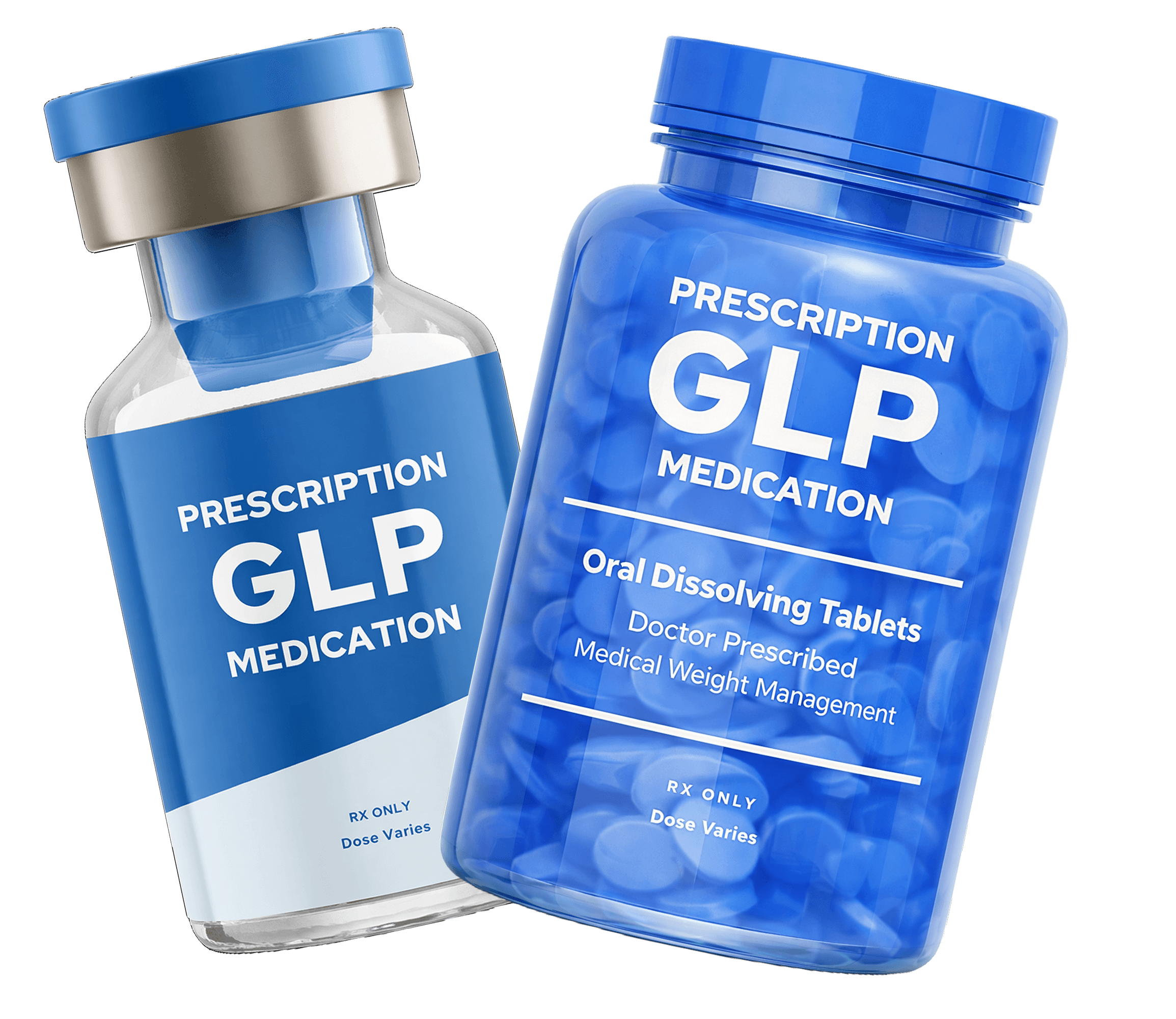
Not a diet. Not a gym plan.
Medical science. Finally in India.
- Available as weekly injection or daily tablets
- Around 15% average weight loss in major GLP‑1 trials — results vary*
- Unlimited 24/7 support from our care team
- Start with a ₹499 doctor consultation — refunded if you’re not eligible
- Medication & ongoing care quoted separately — price shown before you pay