Things worth knowing — before, during, after.
Short, plain-language guides on GLP-1 therapy and metabolic health, written and reviewed by ZIVOLABS doctors. No clickbait. No miracle promises.
Browse the full article libraryResults
Showing 85–96 of 100%22%2F%3E%3Cstop%20offset%3D%221%22%20stop-color%3D%22hsl(160%2062%25%2040%25)%22%2F%3E%3C%2FlinearGradient%3E%3C%2Fdefs%3E%3Crect%20width%3D%221600%22%20height%3D%22900%22%20fill%3D%22url(%23g)%22%2F%3E%3Ccircle%20cx%3D%221360%22%20cy%3D%22170%22%20r%3D%22360%22%20fill%3D%22%23ffffff%22%20opacity%3D%220.06%22%2F%3E%3Ccircle%20cx%3D%221500%22%20cy%3D%22770%22%20r%3D%22230%22%20fill%3D%22%23ffffff%22%20opacity%3D%220.05%22%2F%3E%3Crect%20x%3D%2290%22%20y%3D%22176%22%20width%3D%2264%22%20height%3D%226%22%20rx%3D%223%22%20fill%3D%22%23ffffff%22%20opacity%3D%220.85%22%2F%3E%3Ctext%20x%3D%2290%22%20y%3D%22150%22%20fill%3D%22%23ffffff%22%20opacity%3D%220.85%22%20font-family%3D%22Arial%2CHelvetica%2Csans-serif%22%20font-size%3D%2234%22%20font-weight%3D%22700%22%20letter-spacing%3D%224%22%3EDIET%20%26amp%3B%20NUTRITION%3C%2Ftext%3E%3Ctext%20fill%3D%22%23ffffff%22%20font-family%3D%22Arial%2CHelvetica%2Csans-serif%22%20font-size%3D%2274%22%20font-weight%3D%22800%22%20letter-spacing%3D%22-1%22%3E%3Ctspan%20x%3D%2290%22%20y%3D%22378%22%3ECan%20I%20eat%20paneer%20on%3C%2Ftspan%3E%3Ctspan%20x%3D%2290%22%20y%3D%22470%22%3EGLP-1%20weight-loss%3C%2Ftspan%3E%3Ctspan%20x%3D%2290%22%20y%3D%22562%22%3Emedication%3F%3C%2Ftspan%3E%3C%2Ftext%3E%3Ctext%20x%3D%2290%22%20y%3D%22822%22%20fill%3D%22%23ffffff%22%20opacity%3D%220.92%22%20font-family%3D%22Arial%2CHelvetica%2Csans-serif%22%20font-size%3D%2240%22%20font-weight%3D%22800%22%20letter-spacing%3D%221%22%3EZIVOLABS%3C%2Ftext%3E%3C%2Fsvg%3E)
Can I eat paneer on GLP-1 weight-loss medication?
Yes — paneer is excellent on a GLP-1: high protein, satisfying, and vegetarian-friendly.
%22%2F%3E%3Cstop%20offset%3D%221%22%20stop-color%3D%22hsl(163%2062%25%2040%25)%22%2F%3E%3C%2FlinearGradient%3E%3C%2Fdefs%3E%3Crect%20width%3D%221600%22%20height%3D%22900%22%20fill%3D%22url(%23g)%22%2F%3E%3Ccircle%20cx%3D%221360%22%20cy%3D%22170%22%20r%3D%22360%22%20fill%3D%22%23ffffff%22%20opacity%3D%220.06%22%2F%3E%3Ccircle%20cx%3D%221500%22%20cy%3D%22770%22%20r%3D%22230%22%20fill%3D%22%23ffffff%22%20opacity%3D%220.05%22%2F%3E%3Crect%20x%3D%2290%22%20y%3D%22176%22%20width%3D%2264%22%20height%3D%226%22%20rx%3D%223%22%20fill%3D%22%23ffffff%22%20opacity%3D%220.85%22%2F%3E%3Ctext%20x%3D%2290%22%20y%3D%22150%22%20fill%3D%22%23ffffff%22%20opacity%3D%220.85%22%20font-family%3D%22Arial%2CHelvetica%2Csans-serif%22%20font-size%3D%2234%22%20font-weight%3D%22700%22%20letter-spacing%3D%224%22%3EDIET%20%26amp%3B%20NUTRITION%3C%2Ftext%3E%3Ctext%20fill%3D%22%23ffffff%22%20font-family%3D%22Arial%2CHelvetica%2Csans-serif%22%20font-size%3D%2274%22%20font-weight%3D%22800%22%20letter-spacing%3D%22-1%22%3E%3Ctspan%20x%3D%2290%22%20y%3D%22378%22%3ECan%20I%20eat%20dal%20and%20pulses%3C%2Ftspan%3E%3Ctspan%20x%3D%2290%22%20y%3D%22470%22%3Eon%20GLP-1%20weight-loss%3C%2Ftspan%3E%3Ctspan%20x%3D%2290%22%20y%3D%22562%22%3Emedication%3F%3C%2Ftspan%3E%3C%2Ftext%3E%3Ctext%20x%3D%2290%22%20y%3D%22822%22%20fill%3D%22%23ffffff%22%20opacity%3D%220.92%22%20font-family%3D%22Arial%2CHelvetica%2Csans-serif%22%20font-size%3D%2240%22%20font-weight%3D%22800%22%20letter-spacing%3D%221%22%3EZIVOLABS%3C%2Ftext%3E%3C%2Fsvg%3E)
Can I eat dal and pulses on GLP-1 weight-loss medication?
Absolutely — dal, rajma, chana and other pulses are some of the best foods you can eat on a GLP-1. They're high in protein and fibre and very filling.
%22%2F%3E%3Cstop%20offset%3D%221%22%20stop-color%3D%22hsl(163%2062%25%2040%25)%22%2F%3E%3C%2FlinearGradient%3E%3C%2Fdefs%3E%3Crect%20width%3D%221600%22%20height%3D%22900%22%20fill%3D%22url(%23g)%22%2F%3E%3Ccircle%20cx%3D%221360%22%20cy%3D%22170%22%20r%3D%22360%22%20fill%3D%22%23ffffff%22%20opacity%3D%220.06%22%2F%3E%3Ccircle%20cx%3D%221500%22%20cy%3D%22770%22%20r%3D%22230%22%20fill%3D%22%23ffffff%22%20opacity%3D%220.05%22%2F%3E%3Crect%20x%3D%2290%22%20y%3D%22176%22%20width%3D%2264%22%20height%3D%226%22%20rx%3D%223%22%20fill%3D%22%23ffffff%22%20opacity%3D%220.85%22%2F%3E%3Ctext%20x%3D%2290%22%20y%3D%22150%22%20fill%3D%22%23ffffff%22%20opacity%3D%220.85%22%20font-family%3D%22Arial%2CHelvetica%2Csans-serif%22%20font-size%3D%2234%22%20font-weight%3D%22700%22%20letter-spacing%3D%224%22%3EDIET%20%26amp%3B%20NUTRITION%3C%2Ftext%3E%3Ctext%20fill%3D%22%23ffffff%22%20font-family%3D%22Arial%2CHelvetica%2Csans-serif%22%20font-size%3D%2274%22%20font-weight%3D%22800%22%20letter-spacing%3D%22-1%22%3E%3Ctspan%20x%3D%2290%22%20y%3D%22424%22%3ECan%20I%20eat%20fruit%20on%20GLP-1%3C%2Ftspan%3E%3Ctspan%20x%3D%2290%22%20y%3D%22516%22%3Eweight-loss%20medication%3F%3C%2Ftspan%3E%3C%2Ftext%3E%3Ctext%20x%3D%2290%22%20y%3D%22822%22%20fill%3D%22%23ffffff%22%20opacity%3D%220.92%22%20font-family%3D%22Arial%2CHelvetica%2Csans-serif%22%20font-size%3D%2240%22%20font-weight%3D%22800%22%20letter-spacing%3D%221%22%3EZIVOLABS%3C%2Ftext%3E%3C%2Fsvg%3E)
Can I eat fruit on GLP-1 weight-loss medication?
Yes — whole fruit is encouraged. The fibre slows the sugar release, so an apple, guava, papaya or a small bowl of berries is a smart snack.
%22%2F%3E%3Cstop%20offset%3D%221%22%20stop-color%3D%22hsl(169%2062%25%2040%25)%22%2F%3E%3C%2FlinearGradient%3E%3C%2Fdefs%3E%3Crect%20width%3D%221600%22%20height%3D%22900%22%20fill%3D%22url(%23g)%22%2F%3E%3Ccircle%20cx%3D%221360%22%20cy%3D%22170%22%20r%3D%22360%22%20fill%3D%22%23ffffff%22%20opacity%3D%220.06%22%2F%3E%3Ccircle%20cx%3D%221500%22%20cy%3D%22770%22%20r%3D%22230%22%20fill%3D%22%23ffffff%22%20opacity%3D%220.05%22%2F%3E%3Crect%20x%3D%2290%22%20y%3D%22176%22%20width%3D%2264%22%20height%3D%226%22%20rx%3D%223%22%20fill%3D%22%23ffffff%22%20opacity%3D%220.85%22%2F%3E%3Ctext%20x%3D%2290%22%20y%3D%22150%22%20fill%3D%22%23ffffff%22%20opacity%3D%220.85%22%20font-family%3D%22Arial%2CHelvetica%2Csans-serif%22%20font-size%3D%2234%22%20font-weight%3D%22700%22%20letter-spacing%3D%224%22%3EDIET%20%26amp%3B%20NUTRITION%3C%2Ftext%3E%3Ctext%20fill%3D%22%23ffffff%22%20font-family%3D%22Arial%2CHelvetica%2Csans-serif%22%20font-size%3D%2274%22%20font-weight%3D%22800%22%20letter-spacing%3D%22-1%22%3E%3Ctspan%20x%3D%2290%22%20y%3D%22378%22%3ECan%20I%20eat%20sugar%20and%3C%2Ftspan%3E%3Ctspan%20x%3D%2290%22%20y%3D%22470%22%3Esweets%20on%20GLP-1%3C%2Ftspan%3E%3Ctspan%20x%3D%2290%22%20y%3D%22562%22%3Eweight-loss%20medication%3F%3C%2Ftspan%3E%3C%2Ftext%3E%3Ctext%20x%3D%2290%22%20y%3D%22822%22%20fill%3D%22%23ffffff%22%20opacity%3D%220.92%22%20font-family%3D%22Arial%2CHelvetica%2Csans-serif%22%20font-size%3D%2240%22%20font-weight%3D%22800%22%20letter-spacing%3D%221%22%3EZIVOLABS%3C%2Ftext%3E%3C%2Fsvg%3E)
Can I eat sugar and sweets on GLP-1 weight-loss medication?
In moderation, yes — nothing is strictly banned. But sweets are concentrated calories with little protein, exactly what you're trying to reduce.
%22%2F%3E%3Cstop%20offset%3D%221%22%20stop-color%3D%22hsl(146%2062%25%2040%25)%22%2F%3E%3C%2FlinearGradient%3E%3C%2Fdefs%3E%3Crect%20width%3D%221600%22%20height%3D%22900%22%20fill%3D%22url(%23g)%22%2F%3E%3Ccircle%20cx%3D%221360%22%20cy%3D%22170%22%20r%3D%22360%22%20fill%3D%22%23ffffff%22%20opacity%3D%220.06%22%2F%3E%3Ccircle%20cx%3D%221500%22%20cy%3D%22770%22%20r%3D%22230%22%20fill%3D%22%23ffffff%22%20opacity%3D%220.05%22%2F%3E%3Crect%20x%3D%2290%22%20y%3D%22176%22%20width%3D%2264%22%20height%3D%226%22%20rx%3D%223%22%20fill%3D%22%23ffffff%22%20opacity%3D%220.85%22%2F%3E%3Ctext%20x%3D%2290%22%20y%3D%22150%22%20fill%3D%22%23ffffff%22%20opacity%3D%220.85%22%20font-family%3D%22Arial%2CHelvetica%2Csans-serif%22%20font-size%3D%2234%22%20font-weight%3D%22700%22%20letter-spacing%3D%224%22%3EDIET%20%26amp%3B%20NUTRITION%3C%2Ftext%3E%3Ctext%20fill%3D%22%23ffffff%22%20font-family%3D%22Arial%2CHelvetica%2Csans-serif%22%20font-size%3D%2274%22%20font-weight%3D%22800%22%20letter-spacing%3D%22-1%22%3E%3Ctspan%20x%3D%2290%22%20y%3D%22378%22%3ECan%20I%20eat%20roti%20%2F%20chapati%3C%2Ftspan%3E%3Ctspan%20x%3D%2290%22%20y%3D%22470%22%3Eon%20GLP-1%20weight-loss%3C%2Ftspan%3E%3Ctspan%20x%3D%2290%22%20y%3D%22562%22%3Emedication%3F%3C%2Ftspan%3E%3C%2Ftext%3E%3Ctext%20x%3D%2290%22%20y%3D%22822%22%20fill%3D%22%23ffffff%22%20opacity%3D%220.92%22%20font-family%3D%22Arial%2CHelvetica%2Csans-serif%22%20font-size%3D%2240%22%20font-weight%3D%22800%22%20letter-spacing%3D%221%22%3EZIVOLABS%3C%2Ftext%3E%3C%2Fsvg%3E)
Can I eat roti / chapati on GLP-1 weight-loss medication?
Yes. Whole-wheat roti is a perfectly good carbohydrate on a GLP-1 — the issue is only quantity.
%22%2F%3E%3Cstop%20offset%3D%221%22%20stop-color%3D%22hsl(168%2062%25%2040%25)%22%2F%3E%3C%2FlinearGradient%3E%3C%2Fdefs%3E%3Crect%20width%3D%221600%22%20height%3D%22900%22%20fill%3D%22url(%23g)%22%2F%3E%3Ccircle%20cx%3D%221360%22%20cy%3D%22170%22%20r%3D%22360%22%20fill%3D%22%23ffffff%22%20opacity%3D%220.06%22%2F%3E%3Ccircle%20cx%3D%221500%22%20cy%3D%22770%22%20r%3D%22230%22%20fill%3D%22%23ffffff%22%20opacity%3D%220.05%22%2F%3E%3Crect%20x%3D%2290%22%20y%3D%22176%22%20width%3D%2264%22%20height%3D%226%22%20rx%3D%223%22%20fill%3D%22%23ffffff%22%20opacity%3D%220.85%22%2F%3E%3Ctext%20x%3D%2290%22%20y%3D%22150%22%20fill%3D%22%23ffffff%22%20opacity%3D%220.85%22%20font-family%3D%22Arial%2CHelvetica%2Csans-serif%22%20font-size%3D%2234%22%20font-weight%3D%22700%22%20letter-spacing%3D%224%22%3EDIET%20%26amp%3B%20NUTRITION%3C%2Ftext%3E%3Ctext%20fill%3D%22%23ffffff%22%20font-family%3D%22Arial%2CHelvetica%2Csans-serif%22%20font-size%3D%2274%22%20font-weight%3D%22800%22%20letter-spacing%3D%22-1%22%3E%3Ctspan%20x%3D%2290%22%20y%3D%22424%22%3ECan%20I%20eat%20rice%20on%20GLP-1%3C%2Ftspan%3E%3Ctspan%20x%3D%2290%22%20y%3D%22516%22%3Eweight-loss%20medication%3F%3C%2Ftspan%3E%3C%2Ftext%3E%3Ctext%20x%3D%2290%22%20y%3D%22822%22%20fill%3D%22%23ffffff%22%20opacity%3D%220.92%22%20font-family%3D%22Arial%2CHelvetica%2Csans-serif%22%20font-size%3D%2240%22%20font-weight%3D%22800%22%20letter-spacing%3D%221%22%3EZIVOLABS%3C%2Ftext%3E%3C%2Fsvg%3E)
Can I eat rice on GLP-1 weight-loss medication?
Yes — you don't have to give up rice. The trick is portion and pairing: a smaller serving of rice alongside a generous portion of dal, curd or sabzi keeps blood sugar steadier and keeps you full.
%22%2F%3E%3Cstop%20offset%3D%221%22%20stop-color%3D%22hsl(163%2062%25%2040%25)%22%2F%3E%3C%2FlinearGradient%3E%3C%2Fdefs%3E%3Crect%20width%3D%221600%22%20height%3D%22900%22%20fill%3D%22url(%23g)%22%2F%3E%3Ccircle%20cx%3D%221360%22%20cy%3D%22170%22%20r%3D%22360%22%20fill%3D%22%23ffffff%22%20opacity%3D%220.06%22%2F%3E%3Ccircle%20cx%3D%221500%22%20cy%3D%22770%22%20r%3D%22230%22%20fill%3D%22%23ffffff%22%20opacity%3D%220.05%22%2F%3E%3Crect%20x%3D%2290%22%20y%3D%22176%22%20width%3D%2264%22%20height%3D%226%22%20rx%3D%223%22%20fill%3D%22%23ffffff%22%20opacity%3D%220.85%22%2F%3E%3Ctext%20x%3D%2290%22%20y%3D%22150%22%20fill%3D%22%23ffffff%22%20opacity%3D%220.85%22%20font-family%3D%22Arial%2CHelvetica%2Csans-serif%22%20font-size%3D%2234%22%20font-weight%3D%22700%22%20letter-spacing%3D%224%22%3EDIET%20%26amp%3B%20NUTRITION%3C%2Ftext%3E%3Ctext%20fill%3D%22%23ffffff%22%20font-family%3D%22Arial%2CHelvetica%2Csans-serif%22%20font-size%3D%2274%22%20font-weight%3D%22800%22%20letter-spacing%3D%22-1%22%3E%3Ctspan%20x%3D%2290%22%20y%3D%22424%22%3ECan%20I%20eat%20makhana%20or%3C%2Ftspan%3E%3Ctspan%20x%3D%2290%22%20y%3D%22516%22%3Esabudana%20on%20a%20GLP-1%3F%3C%2Ftspan%3E%3C%2Ftext%3E%3Ctext%20x%3D%2290%22%20y%3D%22822%22%20fill%3D%22%23ffffff%22%20opacity%3D%220.92%22%20font-family%3D%22Arial%2CHelvetica%2Csans-serif%22%20font-size%3D%2240%22%20font-weight%3D%22800%22%20letter-spacing%3D%221%22%3EZIVOLABS%3C%2Ftext%3E%3C%2Fsvg%3E)
Can I eat makhana or sabudana on a GLP-1?
Lightly roasted makhana is a good low-calorie snack. Sabudana is starchy and low in protein, so keep portions small and pair it with curd or peanuts.
%22%2F%3E%3Cstop%20offset%3D%221%22%20stop-color%3D%22hsl(159%2062%25%2040%25)%22%2F%3E%3C%2FlinearGradient%3E%3C%2Fdefs%3E%3Crect%20width%3D%221600%22%20height%3D%22900%22%20fill%3D%22url(%23g)%22%2F%3E%3Ccircle%20cx%3D%221360%22%20cy%3D%22170%22%20r%3D%22360%22%20fill%3D%22%23ffffff%22%20opacity%3D%220.06%22%2F%3E%3Ccircle%20cx%3D%221500%22%20cy%3D%22770%22%20r%3D%22230%22%20fill%3D%22%23ffffff%22%20opacity%3D%220.05%22%2F%3E%3Crect%20x%3D%2290%22%20y%3D%22176%22%20width%3D%2264%22%20height%3D%226%22%20rx%3D%223%22%20fill%3D%22%23ffffff%22%20opacity%3D%220.85%22%2F%3E%3Ctext%20x%3D%2290%22%20y%3D%22150%22%20fill%3D%22%23ffffff%22%20opacity%3D%220.85%22%20font-family%3D%22Arial%2CHelvetica%2Csans-serif%22%20font-size%3D%2234%22%20font-weight%3D%22700%22%20letter-spacing%3D%224%22%3EDIET%20%26amp%3B%20NUTRITION%3C%2Ftext%3E%3Ctext%20fill%3D%22%23ffffff%22%20font-family%3D%22Arial%2CHelvetica%2Csans-serif%22%20font-size%3D%2274%22%20font-weight%3D%22800%22%20letter-spacing%3D%22-1%22%3E%3Ctspan%20x%3D%2290%22%20y%3D%22424%22%3ECan%20I%20eat%20ice%20cream%20or%3C%2Ftspan%3E%3Ctspan%20x%3D%2290%22%20y%3D%22516%22%3Edessert%20on%20a%20GLP-1%3F%3C%2Ftspan%3E%3C%2Ftext%3E%3Ctext%20x%3D%2290%22%20y%3D%22822%22%20fill%3D%22%23ffffff%22%20opacity%3D%220.92%22%20font-family%3D%22Arial%2CHelvetica%2Csans-serif%22%20font-size%3D%2240%22%20font-weight%3D%22800%22%20letter-spacing%3D%221%22%3EZIVOLABS%3C%2Ftext%3E%3C%2Fsvg%3E)
Can I eat ice cream or dessert on a GLP-1?
Yes, occasionally and in a small portion after a meal. Many people find very sweet foods become less appealing on a GLP-1 anyway.
%22%2F%3E%3Cstop%20offset%3D%221%22%20stop-color%3D%22hsl(156%2062%25%2040%25)%22%2F%3E%3C%2FlinearGradient%3E%3C%2Fdefs%3E%3Crect%20width%3D%221600%22%20height%3D%22900%22%20fill%3D%22url(%23g)%22%2F%3E%3Ccircle%20cx%3D%221360%22%20cy%3D%22170%22%20r%3D%22360%22%20fill%3D%22%23ffffff%22%20opacity%3D%220.06%22%2F%3E%3Ccircle%20cx%3D%221500%22%20cy%3D%22770%22%20r%3D%22230%22%20fill%3D%22%23ffffff%22%20opacity%3D%220.05%22%2F%3E%3Crect%20x%3D%2290%22%20y%3D%22176%22%20width%3D%2264%22%20height%3D%226%22%20rx%3D%223%22%20fill%3D%22%23ffffff%22%20opacity%3D%220.85%22%2F%3E%3Ctext%20x%3D%2290%22%20y%3D%22150%22%20fill%3D%22%23ffffff%22%20opacity%3D%220.85%22%20font-family%3D%22Arial%2CHelvetica%2Csans-serif%22%20font-size%3D%2234%22%20font-weight%3D%22700%22%20letter-spacing%3D%224%22%3EDIET%20%26amp%3B%20NUTRITION%3C%2Ftext%3E%3Ctext%20fill%3D%22%23ffffff%22%20font-family%3D%22Arial%2CHelvetica%2Csans-serif%22%20font-size%3D%2274%22%20font-weight%3D%22800%22%20letter-spacing%3D%22-1%22%3E%3Ctspan%20x%3D%2290%22%20y%3D%22424%22%3ECan%20I%20eat%20pizza%20or%20fast%3C%2Ftspan%3E%3Ctspan%20x%3D%2290%22%20y%3D%22516%22%3Efood%20on%20a%20GLP-1%3F%3C%2Ftspan%3E%3C%2Ftext%3E%3Ctext%20x%3D%2290%22%20y%3D%22822%22%20fill%3D%22%23ffffff%22%20opacity%3D%220.92%22%20font-family%3D%22Arial%2CHelvetica%2Csans-serif%22%20font-size%3D%2240%22%20font-weight%3D%22800%22%20letter-spacing%3D%221%22%3EZIVOLABS%3C%2Ftext%3E%3C%2Fsvg%3E)
Can I eat pizza or fast food on a GLP-1?
Occasionally and in small portions. Heavy, cheesy, oily food can trigger nausea on a GLP-1, so it often self-limits — choose thinner crust and add protein.
%22%2F%3E%3Cstop%20offset%3D%221%22%20stop-color%3D%22hsl(148%2062%25%2040%25)%22%2F%3E%3C%2FlinearGradient%3E%3C%2Fdefs%3E%3Crect%20width%3D%221600%22%20height%3D%22900%22%20fill%3D%22url(%23g)%22%2F%3E%3Ccircle%20cx%3D%221360%22%20cy%3D%22170%22%20r%3D%22360%22%20fill%3D%22%23ffffff%22%20opacity%3D%220.06%22%2F%3E%3Ccircle%20cx%3D%221500%22%20cy%3D%22770%22%20r%3D%22230%22%20fill%3D%22%23ffffff%22%20opacity%3D%220.05%22%2F%3E%3Crect%20x%3D%2290%22%20y%3D%22176%22%20width%3D%2264%22%20height%3D%226%22%20rx%3D%223%22%20fill%3D%22%23ffffff%22%20opacity%3D%220.85%22%2F%3E%3Ctext%20x%3D%2290%22%20y%3D%22150%22%20fill%3D%22%23ffffff%22%20opacity%3D%220.85%22%20font-family%3D%22Arial%2CHelvetica%2Csans-serif%22%20font-size%3D%2234%22%20font-weight%3D%22700%22%20letter-spacing%3D%224%22%3EDIET%20%26amp%3B%20NUTRITION%3C%2Ftext%3E%3Ctext%20fill%3D%22%23ffffff%22%20font-family%3D%22Arial%2CHelvetica%2Csans-serif%22%20font-size%3D%2274%22%20font-weight%3D%22800%22%20letter-spacing%3D%22-1%22%3E%3Ctspan%20x%3D%2290%22%20y%3D%22424%22%3ECan%20I%20eat%20biryani%20on%20a%3C%2Ftspan%3E%3Ctspan%20x%3D%2290%22%20y%3D%22516%22%3EGLP-1%3F%3C%2Ftspan%3E%3C%2Ftext%3E%3Ctext%20x%3D%2290%22%20y%3D%22822%22%20fill%3D%22%23ffffff%22%20opacity%3D%220.92%22%20font-family%3D%22Arial%2CHelvetica%2Csans-serif%22%20font-size%3D%2240%22%20font-weight%3D%22800%22%20letter-spacing%3D%221%22%3EZIVOLABS%3C%2Ftext%3E%3C%2Fsvg%3E)
Can I eat biryani on a GLP-1?
Occasionally, with a smaller portion. Load up on the meat or vegetables and keep the rice modest; a slowed stomach means you'll likely feel full fast anyway.
%22%2F%3E%3Cstop%20offset%3D%221%22%20stop-color%3D%22hsl(157%2062%25%2040%25)%22%2F%3E%3C%2FlinearGradient%3E%3C%2Fdefs%3E%3Crect%20width%3D%221600%22%20height%3D%22900%22%20fill%3D%22url(%23g)%22%2F%3E%3Ccircle%20cx%3D%221360%22%20cy%3D%22170%22%20r%3D%22360%22%20fill%3D%22%23ffffff%22%20opacity%3D%220.06%22%2F%3E%3Ccircle%20cx%3D%221500%22%20cy%3D%22770%22%20r%3D%22230%22%20fill%3D%22%23ffffff%22%20opacity%3D%220.05%22%2F%3E%3Crect%20x%3D%2290%22%20y%3D%22176%22%20width%3D%2264%22%20height%3D%226%22%20rx%3D%223%22%20fill%3D%22%23ffffff%22%20opacity%3D%220.85%22%2F%3E%3Ctext%20x%3D%2290%22%20y%3D%22150%22%20fill%3D%22%23ffffff%22%20opacity%3D%220.85%22%20font-family%3D%22Arial%2CHelvetica%2Csans-serif%22%20font-size%3D%2234%22%20font-weight%3D%22700%22%20letter-spacing%3D%224%22%3EDIET%20%26amp%3B%20NUTRITION%3C%2Ftext%3E%3Ctext%20fill%3D%22%23ffffff%22%20font-family%3D%22Arial%2CHelvetica%2Csans-serif%22%20font-size%3D%2274%22%20font-weight%3D%22800%22%20letter-spacing%3D%22-1%22%3E%3Ctspan%20x%3D%2290%22%20y%3D%22424%22%3ECan%20I%20eat%20oats%20on%20a%3C%2Ftspan%3E%3Ctspan%20x%3D%2290%22%20y%3D%22516%22%3EGLP-1%3F%3C%2Ftspan%3E%3C%2Ftext%3E%3Ctext%20x%3D%2290%22%20y%3D%22822%22%20fill%3D%22%23ffffff%22%20opacity%3D%220.92%22%20font-family%3D%22Arial%2CHelvetica%2Csans-serif%22%20font-size%3D%2240%22%20font-weight%3D%22800%22%20letter-spacing%3D%221%22%3EZIVOLABS%3C%2Ftext%3E%3C%2Fsvg%3E)
Can I eat oats on a GLP-1?
Yes — oats are a high-fibre carb that keeps you full. Boost the protein by adding curd, milk, nuts or a scoop of whey.
%22%2F%3E%3Cstop%20offset%3D%221%22%20stop-color%3D%22hsl(154%2062%25%2040%25)%22%2F%3E%3C%2FlinearGradient%3E%3C%2Fdefs%3E%3Crect%20width%3D%221600%22%20height%3D%22900%22%20fill%3D%22url(%23g)%22%2F%3E%3Ccircle%20cx%3D%221360%22%20cy%3D%22170%22%20r%3D%22360%22%20fill%3D%22%23ffffff%22%20opacity%3D%220.06%22%2F%3E%3Ccircle%20cx%3D%221500%22%20cy%3D%22770%22%20r%3D%22230%22%20fill%3D%22%23ffffff%22%20opacity%3D%220.05%22%2F%3E%3Crect%20x%3D%2290%22%20y%3D%22176%22%20width%3D%2264%22%20height%3D%226%22%20rx%3D%223%22%20fill%3D%22%23ffffff%22%20opacity%3D%220.85%22%2F%3E%3Ctext%20x%3D%2290%22%20y%3D%22150%22%20fill%3D%22%23ffffff%22%20opacity%3D%220.85%22%20font-family%3D%22Arial%2CHelvetica%2Csans-serif%22%20font-size%3D%2234%22%20font-weight%3D%22700%22%20letter-spacing%3D%224%22%3EDIET%20%26amp%3B%20NUTRITION%3C%2Ftext%3E%3Ctext%20fill%3D%22%23ffffff%22%20font-family%3D%22Arial%2CHelvetica%2Csans-serif%22%20font-size%3D%2274%22%20font-weight%3D%22800%22%20letter-spacing%3D%22-1%22%3E%3Ctspan%20x%3D%2290%22%20y%3D%22424%22%3ECan%20I%20eat%20dry%20fruits%20and%3C%2Ftspan%3E%3Ctspan%20x%3D%2290%22%20y%3D%22516%22%3Enuts%20on%20a%20GLP-1%3F%3C%2Ftspan%3E%3C%2Ftext%3E%3Ctext%20x%3D%2290%22%20y%3D%22822%22%20fill%3D%22%23ffffff%22%20opacity%3D%220.92%22%20font-family%3D%22Arial%2CHelvetica%2Csans-serif%22%20font-size%3D%2240%22%20font-weight%3D%22800%22%20letter-spacing%3D%221%22%3EZIVOLABS%3C%2Ftext%3E%3C%2Fsvg%3E)
Can I eat dry fruits and nuts on a GLP-1?
Yes — a small handful of almonds or walnuts is a great snack with protein and healthy fat. Portion them, since nuts are calorie-dense.
Not a diet. Not a gym plan.
Medical science. Finally in India.
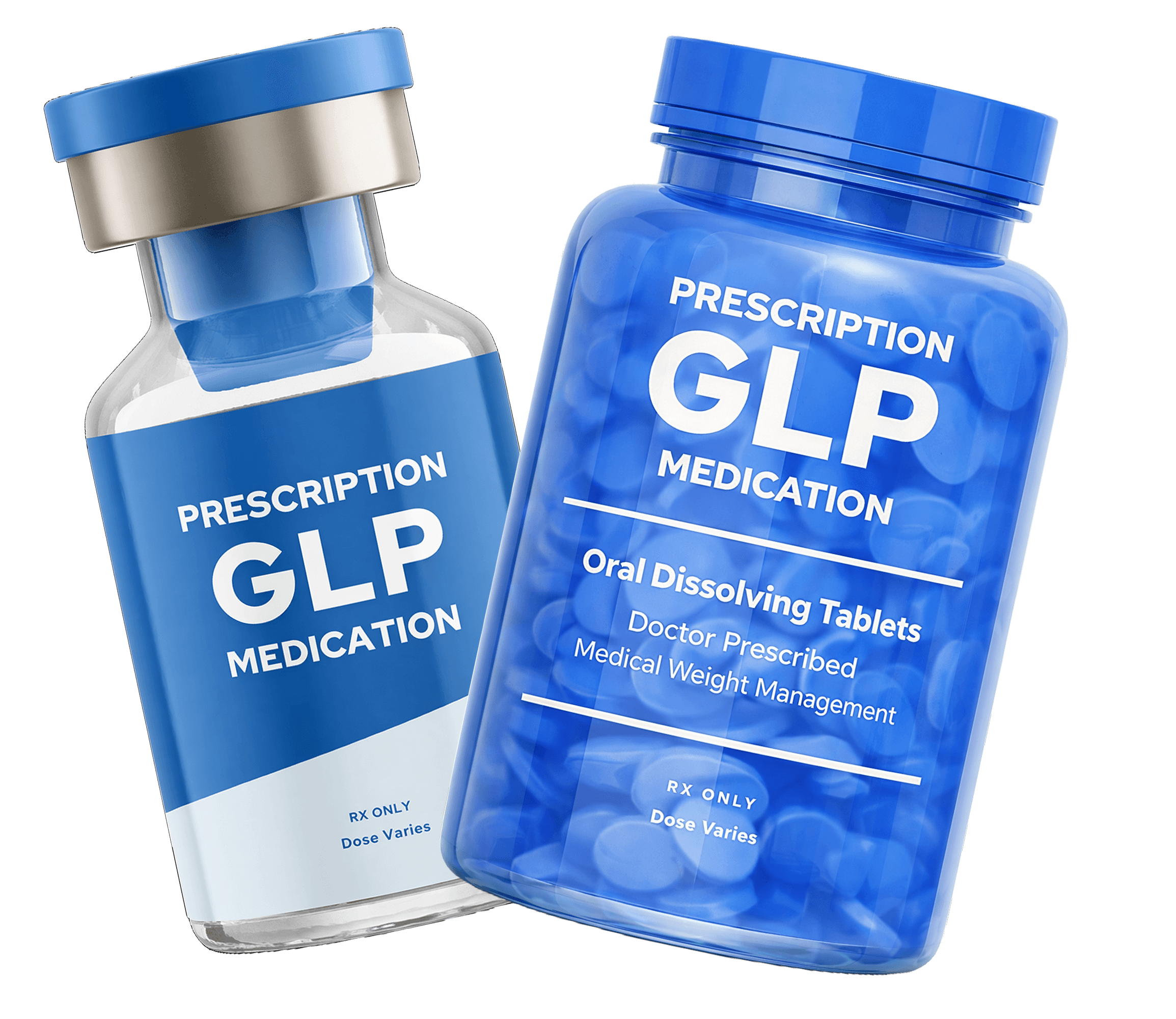
- Available as weekly injection or daily tablets
- Around 15% average weight loss in major GLP‑1 trials — results vary*
- Unlimited 24/7 support from our care team
- Start with a ₹499 doctor consultation — refunded if you’re not eligible
- Medication & ongoing care quoted separately — price shown before you pay